Two products can list mushroom on the panel while delivering very different amounts of fungal material. One is an extract of harvested caps and stems, and the other is dried mycelium plus the grain it grew through.
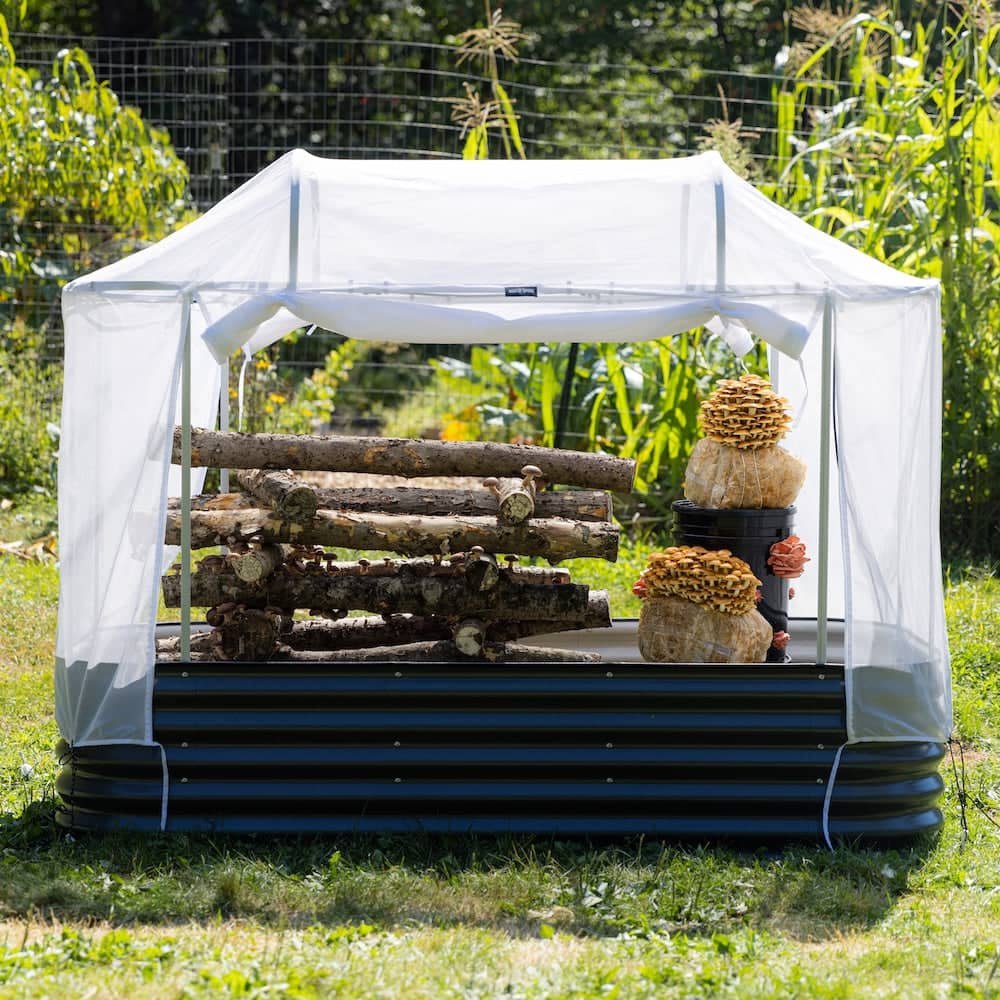
In 2024 a small randomized pilot on erinacine A enriched Lion’s Mane mycelium reported better cognition scores after 8 weeks, and that date matters because it gave mycelium a defined result at the same time most jars still blurred the two supply chains together. In the mushroom counties of Fujian and Zhejiang, producers fill sawdust blocks, place them inside dark growing houses, and wait until caps break through the surface. Nammex COO Bill Chioffi reports that nearly all of the worlds mushrooms, 93 percent, are now grown in China. He said their knowledge of mushroom cultivation and handling is unparalleled. Teams gather the fruiting bodies manually, cut them into slices, dry the slices, and forward them for extraction. That collected harvest begins one kind of capsule.
Where the two supply chains split
Most functional mushroom supplements come from either fruiting body extracts prepared from mushrooms alone or mycelium on grain powders prepared from fungus cultivated on cereal. Substrate marks the fork, and milling marks the endpoint of what reaches powder.
Fruiting body material starts as the seen cap plus stem raised on inputs like sawdust blocks, then it is fruited, gathered and extracted. The block or log remains at the farm. Only mushroom tissue advances into hot water or alcohol extraction, followed by spray drying and milling.
Mycelium on grain starts with sterile cereal such as rice, oats or sorghum which mycelium spreads across until it forms a firm mass. Fungal threads run pale through the kernels until the bag sets solid. Then the whole colonized block is dried and milled as combined mycelium and grain substrate. No fraction is removed. Grain used to feed the fungus stays inside the ingredient.
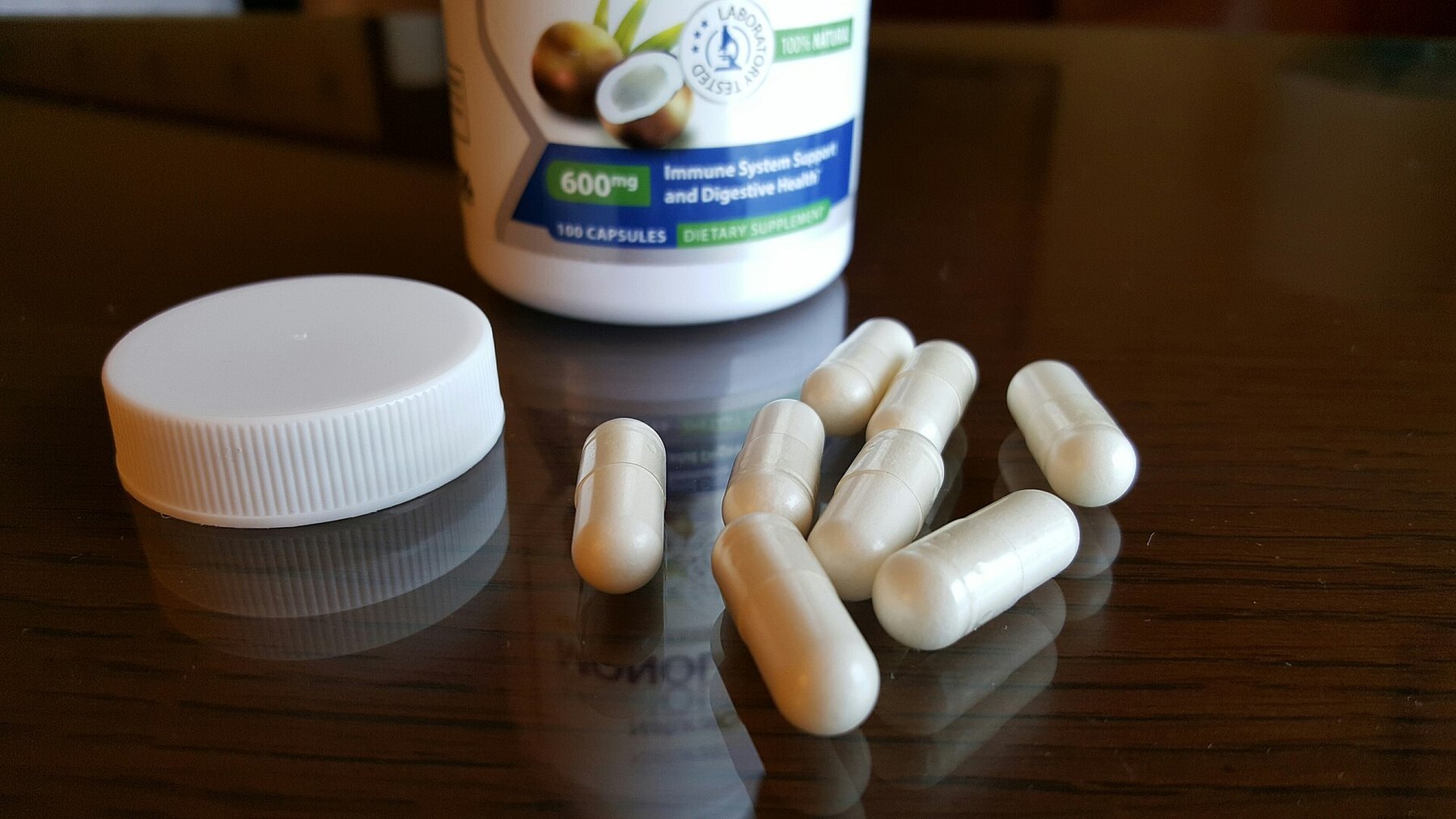
Under the U.S. Dietary Supplement Health and Education Act, supplements follow a food model with mostly post market oversight and no efficacy requirement under U.S. law. FDA estimates that more than 85,000 dietary supplement products are available in the United States. On that crowded shelf, a container labeled mushroom may contain either route, or a mixture, because rules do not compel disclosure of fruiting body, mycelium, substrate, or extraction ratio. Shoppers who read the Supplement Facts panel commonly see the term mushroom and little more.
Suppliers put the outcome plainly. Jeff Chilton of Nammex said mycelium on grain products deliver mostly grain starch rather than mushroom, while defenders argue fermented substrate can add value by creating or freeing compounds as with fermented foods. Each position points toward the same requirement, namely an assay able to separate fungus from cereal.
What the milligram assays reveal
A total polysaccharide test cannot make that distinction. Starch also belongs to the polysaccharide class, so any method that totals all polysaccharides counts cereal starch together with fungal constituents. Beta glucan methods, which quantify fungal cell wall constituents instead of total polysaccharides, show why the separation matters for jar contents.
Their grasp of mushroom cultivation and post harvest handling remains unmatched in the trade.
Extracted fruiting bodies of mushrooms hold on average 20 to 30 percent beta glucans. Mycelium cultivated on grain often gives only about 5 percent or less beta glucans, versus 30 percent or more in real mushrooms. One analysis recorded mycelium on grain supplements at 1 to 5 percent beta glucan and 35 to 40 percent starch. The same relationship appears across batches. When residual grain stays in powder, starch climbs while beta glucan declines.
Molecular architecture accounts for part of the divide. Mushroom beta glucans usually show branched 1,3 and 1,6 linkages, while oat beta glucans show linear 1,3 and 1,4 linkages. The forms act differently under laboratory conditions, and a correctly configured method can distinguish them. Mushrooms hold carbohydrates as glycogen and contain virtually 0 percent starch. Cereal stores carbohydrate as starch. Alpha glucan values track starch values, with high alpha glucan and starch in mycelium fermented grain products and low to no starch in true mushroom products. Elevated alpha glucan therefore signals leftover substrate rather than mushroom quantity.
The Nammex lab validates beta glucan content with the Megazyme K YBGL kit and runs the AOAC starch test in tandem. The combination is material. Beta glucan indicates fungal matter. Starch measured beside it indicates cereal carryover. Nammex specifications for 1:1 extracts set no less than 30 mg per g for Lions Mane, 35 mg per g for Reishi, 45 mg per g for Turkey Tail, and 8 mg per g for Chaga and Cordyceps. These values describe specifications for extract powders at the ingredient stage, not promises about finished capsules, yet they offer buyers a benchmark for how a tested fruiting body extract appears on paper.
Trade sources maintain that beta glucan alone is insufficient and call for assays of species specific markers such as triterpenoids, ergosterol and ergothioneine. Fruiting bodies make secondary metabolites such as triterpenoids and ergosterol that mycelium alone may not produce. Chemistry varies with part and species, so one figure cannot support the full account. The authors note conflict of interest because leading mycelium on grain and fruiting body advocates fund research that favors their own business models. That funding record advises caution toward any isolated laboratory value offered as proof.
When mycelium earns its place
The file does not collapse into fruiting body good and mycelium bad. Parts hold distinct compounds, and distinct compounds raise distinct questions.
Erinacines, potent stimulators of Nerve Growth Factor, occur almost exclusively in Lions Mane mycelium, not the fruiting body. A 2024 randomized double blind placebo controlled pilot study in the Journal of Functional Foods reported that erinacine A enriched Hericium erinaceus mycelium raised cognition scores across 8 weeks. That result backs a narrow mycelium application, in a specified preparation, across a brief interval, within a pilot sample. It does not establish that every mycelium on grain powder carries a comparable profile, and it does not show that beta glucan percentage alone predicts effect without species specific markers and extraction details.
What stays unresolved is larger than what counts as settled. The evidence does not reveal how much fruiting body versus mycelium on grain a brand uses when the label only says mushroom. It does not reveal whether beta glucan percentage alone predicts effect without species specific markers and extraction details. Move past cognition and immunity and the literature shows no direct test of fermented grain substrate against fruiting body. A precise label may narrow the first gap. Only broader trials plus clearer extraction records can close the other two gaps.
For buyers who track milligrams at home, useful questions remain near the jar. Does the label declare fruiting body or mycelium on grain? Does it declare extraction method plus extract ratio? Lot by lot, does a third party lab publish beta glucan content with starch, since brands that publish them earn credit because each line removes one place where grain can hide behind the word mushroom?
The stance is plain. Fruiting body, extraction method and beta glucan content belong on the label, with starch next to beta glucan and a certificate supporting both. Mycelium formulas with defined compounds and trial results should list them clearly and leave the substrate on the label. Until that turns routine, the capsule that names its grower, its part, its extraction and its numbers earns its place on the shelf.

Victoria Hawkins
Victoria looks after the brands Half Life works with and makes sure every sponsored page is labelled and dose-checked like the rest. She spent six years in regulatory affairs at a supplement maker, so she knows exactly what a label is allowed to say.
More from Victoria Hawkins →