Two tubs can name near identical botanicals and promise near identical minerals yet sell at very different prices. The difference usually traces to plant decisions, salt choices and laboratory work that never appears on the front. The work is to read the panel plus the documents until the charge makes sense.
In the summer of 2022, investigators gathering the cheapest online marketplace prices for a driving project recorded a spread that still clarifies retail today, with single supplement costs averaging 73 cents to 49.59 dollars per month across 142 formulations with price data.
Mean monthly cost for each participant in that analysis rose from 10.23 dollars at baseline to 13.14 dollars in year 3, so we asked what the added spend delivered. Use among adults age 65 and older who drive rose from 70.4 to 82.7 percent from baseline to year 5 in the AAA LongROAD study, a climb worth reading with care. Those figures portray a dense category in which many households retain a small set of products for years. I note the Food and Drug Administration performs no review of dietary supplement products for safety and effectiveness before marketing, while FDA estimates place more than 100,000 supplements on the market. Start with the statute because under the Dietary Supplement Health and Education Act framework described by Harvard Health I note manufacturers may sell dietary supplements without submitting evidence of purity, potency, safety or efficacy. As Steven R. Cummings, MD, internist and epidemiologist puts it, supplements is the larger category and vitamins sit inside it. Given that latitude, as Steven R. Cummings, MD, internist and epidemiologist notes, the FDA does not check vitamins or supplements for safety or efficacy before sale.
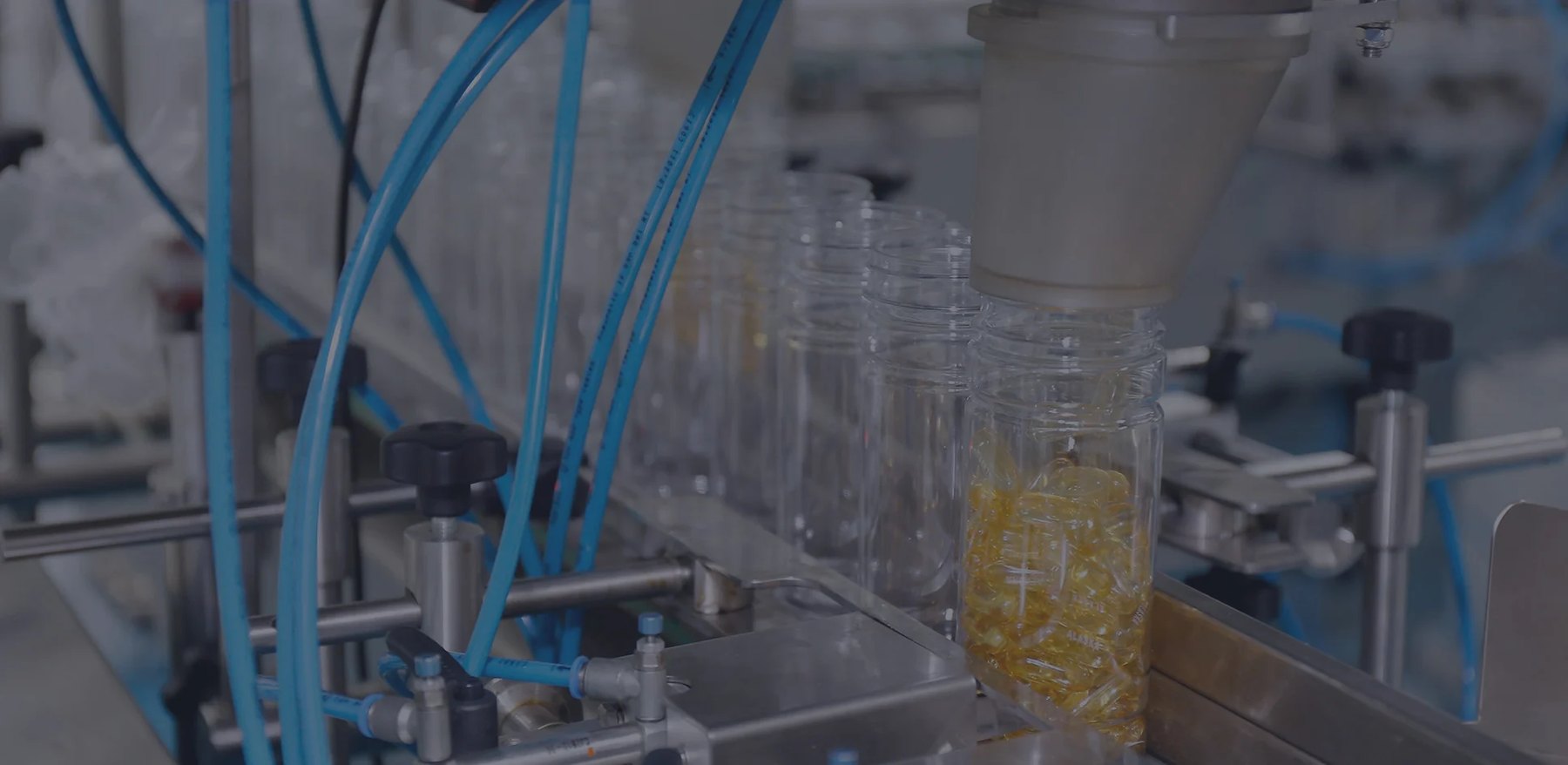
Cost per serving follows choices settled well before powder meets tub. The sequence starts with sourcing and supplier qualification, then identity verification, in process checks, finished product testing, packaging inspection, labeling review, storage and release procedures. Brands are expected to fund each of those stages. Whether a company funds them all, and whether an independent laboratory verifies the outcome, drives cost in ways a front panel seldom discloses.
Where that tub was really blended
Contract manufacturing formulates a bespoke recipe to a brand specification, while private label markets a ready made generic recipe under a brand name, also called white labeling. The separation counts because timelines, order size and authority over ingredients derive from it.
White label liquid supplements can list minimum order quantities of only 150 to 500 units, which tells you how little stands behind some labels. Private label with flavor or packaging changes generally calls for around 1,000 or more units. Bespoke liquid formulation generally calls for 2,500 to 5,000 or more units because line cleaning and calibration render small batches uneconomic. Research and development fees for bespoke liquid formulation span from 2,000 dollars to more than 15,000 dollars depending on complexity. White label or private label liquids can often reach market in 4 to 8 weeks. Bespoke liquid formulation generally needs 12 to 18 weeks for an initial batch, or 3 to 6 months from concept to ready to ship, including microbial stress testing.
I see the liquid vitamins market will pass 29 billion dollars by 2026 at a 6.2 percent compound annual growth rate. Expansion of that magnitude rewards haste. A label that picks a stock greens blend or a stock electrolyte base can progress from idea to listing within weeks, with limited inventory exposure. Fund development, wait through stability work and commit to thousands of units when a brand defines every green, every salt, every flavor system and every test.
I record magnesium oxide absorption is often under 10 percent, while ionic, chelated and citrate forms rank higher for bioavailability.
The quicker path does not invariably signal weaker quality. A stock recipe produced in a competently managed facility, with identity checks plus finished product testing, may be solid. The steeper price does not invariably signal bespoke effort. A company can adopt a generic base, adjust flavor and packaging, attach a farm narrative and still bill for origin that resides largely on the carton. Half Life credits what can be traced and identifies what remains unshown. The Supplement Facts panel, the other ingredients line, the lot number plus the certificate of analysis outweigh the field photograph.
Why salt chemistry fixes the dose
Greens powders plus electrolytes commonly rival each other on range. One enumerates many botanicals. Another enumerates many salts. The panel records names and quantities, yet uptake hinges on chemical form and on companion contents in the scoop.
I find mineral absorption spans from less than 1 percent to over 90 percent with mineral and gut conditions, with plant based iron near 10 percent and selenium up to 98 percent. Magnesium oxide is often absorbed at under 10 percent, while ionic, chelated and citrate forms score higher on bioavailability. I note vitamin C can raise iron absorption by up to 300 percent by converting ferric iron to ferrous iron. When iron and calcium meet I note calcium supplements taken at the same time can cut non heme iron absorption by up to 60 percent. I see calcium absorption from spinach can fall as low as 5 percent, compared with 27 percent from milk, linked to oxalic acid.
For electrolytes, those rankings suggest questions worth posing. I ask which magnesium salt is present, and what elemental amount per serving the label declares. Check the panel closely and I ask which sodium and potassium salts are present, and what fill weight supports the stated electrolytes. Consider pairing next since I ask whether calcium sits in the same serving as iron, and whether the label states timing or separation. For greens powders, the inquiry turns to extract ratios, standardized markers and the honest weight of the serving. A crowded blend with tiny quantities of many constituents may supply less per serving than a briefer roster with declared potencies. I find bioavailability hierarchies with enhancers or blockers are real, but no finished greens powder or electrolyte recipes prove a specific price gap.
I note the intake is 600 IU of vitamin D per day below age 71 and 800 IU per day after, with many experts favoring 800 to 1,000 IU and daily doses up to 4,000 IU considered safe. The benchmark is relevant here as a gauge of panel candor. An item that declares IU per serving, serving weight plus servings per container lets a purchaser derive cost per measured quantity. In contrast, that arithmetic turns difficult for an item that relies on proprietary blends and suggested advantages. I hear physician sources stress loose premarket regulation and limited proof for many prevention claims, which argues against paying more for implied health benefits.
What the panel confirms and which documents remain absent
A methodical purchaser works from the capsule backward. Start with the Supplement Facts panel and the other ingredients line, then see if the dose matches the trial. Seek mineral forms spelled out completely, extract strengths with ratios or standardized amounts, serving fill weight plus servings per container. When setting labels side by side, seek third party seals while recognizing that seals are not all equal. Then request the lot specific certificate of analysis and compare heavy metals and potency testing against label declarations.
I note no bulk commodity prices for greens ingredients and electrolyte salts, finished jar build costs, serving fill weights and retail margins. Finally look for proof because I note it names no greens or electrolyte brands that use third party heavy metal and potency audits, and what those certificates show. I conclude it therefore fails to quantify how much of a price difference reflects marketing, packaging weight and shipping versus ingredient form and dose. Those omissions explain why restraint belongs in any judgment. I find without fill weight, extract potency and audit results, price comparison remains guesswork.
Cheaper white label and private label paths provide haste plus modest minimums, so a reduced price does not invariably signal reduced quality and an elevated price does not invariably signal bespoke effort. The costly tub justifies its price when the label identifies the form plus the quantity, and an external laboratory confirms identity, potency and heavy metals for that lot. The budget tub earns confidence the same way, by displaying its documentation and confining its label assertions to what the panel supports.
The stance is direct. Fund documented form, measured amount plus independent testing, not constituent tally or provenance narrative alone. Where the certificate aligns with the panel, the added cost mirrors materials and quality effort. If the file is missing, the price mirrors haste, flavor, packaging and story.

Katherine Warren
Katherine edits the news desk and the monographs at Half Life. She keeps a spreadsheet of every dose she has seen on a label beside the dose used in the trial, and the gap between the two columns is usually the story.
More from Katherine Warren →