Turmeric and ginseng entered capsules only after long household and clinical use in Ayurveda and Chinese medicine. In 2004 Korea placed red ginseng functions under its functional food law, which made dose and claim a regulatory matter. A finished pack should state the borrowed tradition alongside the farm or harvest group behind it.
Vessels excavated near New Delhi contained residues of turmeric mixed with ginger and garlic assigned to 2500 BCE, and India has stayed the largest turmeric producer from ancient times onward while cultivation widened across tropical regions.
Curcuma longa is a perennial member of the ginger family that forms flowers above ground and a rhizome below ground employed for seasoning and colour. Ayurvedic texts contain over 100 names for that rhizome, among them Jayanti and matrimanika. Turmeric gained importance in Ayurvedic medicine near 500 BCE, a practice that continues in the present. Susruta’s Ayurvedic compilation dated to 250 BC advises a turmeric-containing ointment for easing effects from poisoned food. Ayurvedic medicine describes turmeric as an agent that balances the three doshas called vata, pitta and kapha. Ayurvedic practitioners administer turmeric internally as fresh juice, hot brewed tea, tinctures or powder and apply it externally as creams, lotions, pastes and ointments.
Chinese documentation kept this same species in record. Turmeric appeared in the Tang Materia Medica assembled in China in 659 AD, characterised as the earliest pharmacopoeia in the world. Chinese medicine employs turmeric to move Qi and blood when managing epigastric and abdominal pain, menstrual irregularity, swelling and injury. Each system preserved its own language for comparable material, and each left compounding near homes and clinicians. Rhizome handling still centres on two principal routes, washing followed by boiling, drying and milling to powder, or oil removal prior to dehydration.
Ginseng moved along a comparable route from upland gathering toward cultivated lots. A history review places ginseng discovery above 5000 years in the past in Manchurian mountains in China. Traditional Chinese medicine has employed ginseng across more than 2000 years and regarded it as a remedy for every disorder. Panax, the genus name, comes from Greek for complete healing and was assigned by Charles Linnaeus. As a commercial crop, ginseng occurs in thirty five countries, where Korean ginseng originates on the Korean Peninsula and in northern China and American ginseng originates in the United States and Canada. White ginseng means raw 4-year-old roots, lightly peeled and sun dried below 15 percent moisture, whereas red ginseng means steamed roots then dried to permit extended storage. Red ginseng roles as a functional food for health received certification after Korea applied its 2004 law on functional foods for health. Around 50 ginsenoside types have been recognised in ginseng, falling into two principal classes called protopanaxadiol and protopanaxatriol.
From open markets to planted and audited lots
Across much of that record, roots and powders passed through local bazaars, seasonal gathering and practitioner inventories. The World Health Organization has estimated that 80 percent of people in developing countries rely principally on herbal medicine for basic health care. Such volume helps explain why pressure for uniformity grew. Purchasers sought reproducible batches, stated moisture, specified extract ratios and verifiable assays. Vendors sought throughput beyond one season. Contract operations in India, China and Eastern Europe responded with sown acreage, picking dates and documentation, even as wild gathering persisted for certain roots and berries.
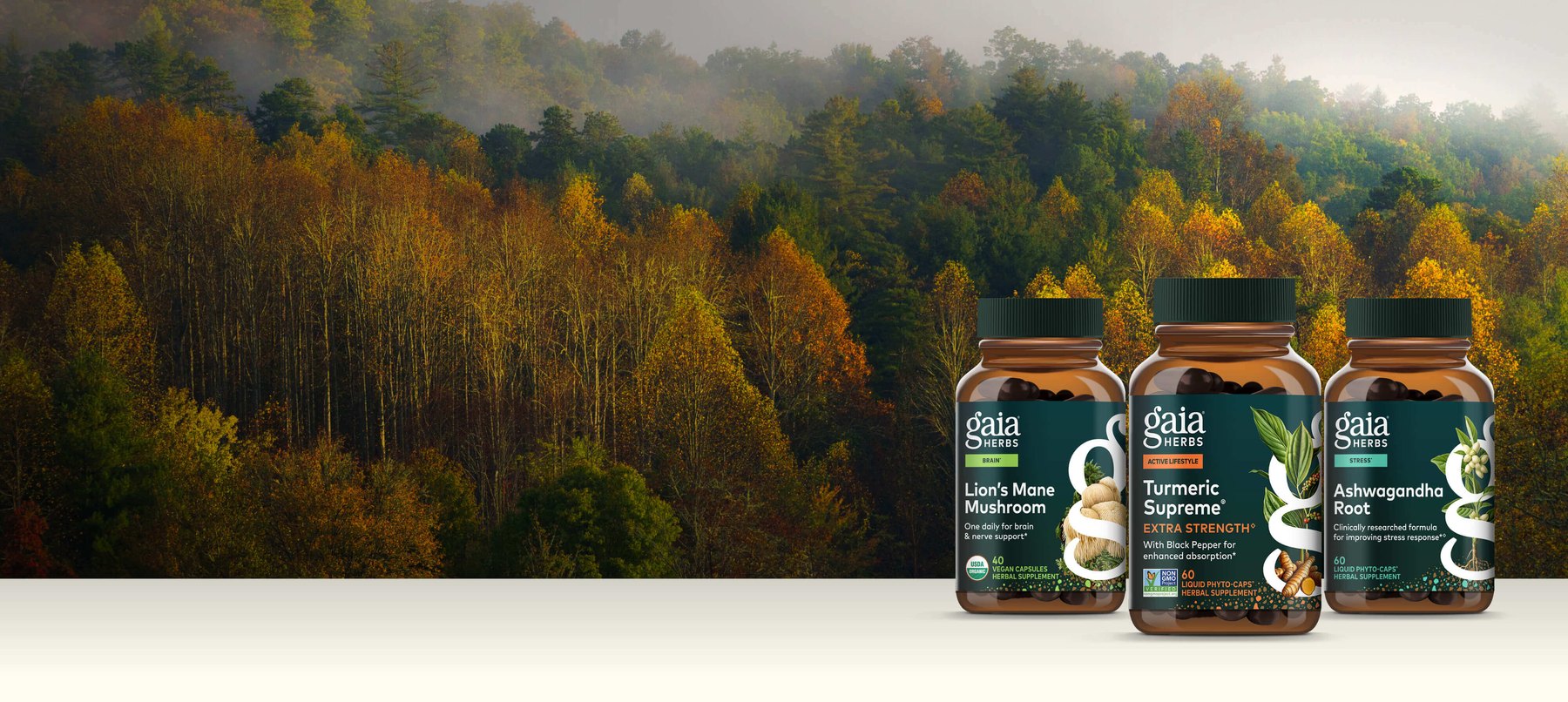
Audited labels developed to verify the trade. Fairtrade Standards apply to farmer cooperatives, large farms or factories employing hired labour and firms that purchase and sell Fairtrade goods, with adherence verified through audits that include farm visits and private worker interviews. Fair for Life certification covers equitable pricing, secure labour conditions and open practices, while FairWild covers sustainable collection and commerce of wild-harvested plants with independently audited traceability. In 2025 Gaia Herbs renewed its sites under Fair for Life and FairWild requirements.
Partial counts are available. During 2024 and 2025, 51 ingredients, around 20 percent of the Gaia Herbs total, held certification under Regenerative Organic Certified, Fair for Life or FairWild, rising from 35 in 2023. Gaia Herbs cites certified sourcing cases such as Holy Basil Leaf from India, Schisandra Berry from China, Licorice Root from Spain and Vitex Berry from Albania.
Standardised markers tell dose, not the full plant or the people behind it.
Those cases illustrate how traceability appears when grower, location and harvest are logged. They also reveal boundaries. The materials describe equitable certification systems yet fail to indicate coverage across worldwide turmeric or ginseng commerce or payments received by cultivators. The proportion of turmeric, ginseng and reishi in capsules derived from contracted acreage rather than local markets or wild harvest stays unreported here. Recording of harvest timing, cultivator identity and price, plus disclosure on retail packs, remains unclear. Curcumin often receives credit for turmeric medicinal value, although this might only show that curcumin is viewed as the principal active constituent, a reminder that a standardised marker does not equal the entire plant.
What certificates record, and what trials still lack
A certificate of analysis records batch identity, fill weight and assay outcomes for measures like heavy metals. An independent laboratory lends those outcomes weight beyond the seller. Certification supplies the agricultural half of that record. Fair for Life verifies pricing and labour conditions on record. FairWild examines sustainable collection and commerce of wild-harvested plants. Regenerative Organic Certified contributes soil and cultivation practice to the same set. Combined, they allow a purchaser to track a capsule in reverse from encapsulation through extraction and drying to harvest.
Chase Millhollen, Director, Global Sourcing / Supply Chain, said authentic fair trade is about honoring the people, planet, and plants holistically. The statement suggests a standard every label could satisfy. Identify the tradition. Identify the grower or harvest collective. State the harvest season. Publish the certificate and the laboratory result. A systematic review located merely three randomised trials of individualised herbal medicine and no convincing evidence to support individualised herbal medicine in any indication. A 2023 review in Frontiers in Pharmacology found the positive outcomes were weaker for urinary tract and gastrointestinal uses than for psychosomatic, gynaecological and upper respiratory uses, and asked for higher quality studies. These results do not resolve sourcing, but they advise restraint around claims. Whether standardised extracts produce effects equivalent to household or practitioner preparations is not shown in this brief. How fair premiums alter earnings and workplace conditions for herb cultivators across years is also not shown.
For readers who compare trial milligrams with label milligrams, origin is another variable that supports interpretation of dose and form. Turmeric belongs alongside Ayurveda and alongside Chinese medicine where documented uses support it. Ginseng belongs alongside Chinese medicine and alongside producers in Korea, northern China, the United States and Canada that cultivate it today. Reishi plus other hive and forest inputs belong alongside collectors who understand season and site. Credit on pack means stated origin, batch files behind it, and documents that a meticulous purchaser can inspect. That is the present shape of equitable sourcing, and the evidence the next label should provide.

Katherine Warren
Katherine edits the news desk and the monographs at Half Life. She keeps a spreadsheet of every dose she has seen on a label beside the dose used in the trial, and the gap between the two columns is usually the story.
More from Katherine Warren →