She told him to bring proof before she would quit coffee. That condition set the company.
Amber Salisbury refused to give up coffee without proof that it harmed her, and that refusal shaped Purity Coffee from the start. It began as a question about dose and composition rather than taste.
Andrew Salisbury is the founder and chief executive of Purity Coffee, which he started in 2016 after Amber Salisbury developed severe fatigue. She slept 10 to 12 hours and still woke tired. Clinicians found no explanation. The household already followed structured exercise, organic food, steady sleep and purified water. Amber Salisbury drank increasing amounts of coffee to function. Andrew Salisbury began to suspect the coffee itself.
What stands out in his interviews and company records, read with a pharmacology lens, is the shift from habit to measurement. He visited the Vanderbilt University Institute of Coffee Studies, reviewed more than 19,000 studies, then spent 18 months with Dr. Adriana Farrar building a protocol that tracked coffee from farm to roast. His summary phrase is that the work concerns the presence of good things and the absence of bad things. For Half Life, that translates to defined forms, stated limits and lot level sheets that let a buyer compare what was studied with what is in the bag.
You recall visiting Vanderbilt and finding over 19,000 studies, then noting that 3 to 5 cups daily was associated with antioxidant benefits. How did that figure alter the plan you were forming
Yes, the start was my wife and her health problems. She slept 10 to 12 hours and woke up tired. We worked out, we bought organic, we kept a sleep schedule, we filtered our water, and her doctors had no answer. She began using large amounts of coffee to make it through the day, and I worried coffee added to her problems. She told me she would keep drinking coffee unless I brought strong reasons to stop. So I began studying whether coffee helped or hurt health. I toured the Vanderbilt University Institute of Coffee Studies. They let me search more than 19,000 papers on coffee and diabetes, heart disease, liver disease, Alzheimer’s and cancers. What I saw pointed the other way. Three to 5 cups daily were associated with benefits, largely tied to antioxidant activity. That moved my question. I stopped asking whether we should drink coffee. I started asking which coffee we were drinking.
Your first Brazil shipment arrived spoiled by mold and mycotoxins after a farmer swapped in lower standard coffee. What did that ruined delivery teach you about trust
Many people do not know coffee ranks as the leading source of antioxidants in the American diet, and when I learned it I felt surprised. I had arrived assuming coffee was harmful unless cleared. Coffee sits among the top contributors of antioxidants in the American diet. That detail changed our logic. If coffee already supplies polyphenols and other active compounds to so many homes, then composition deserves close control. You need to screen coffees globally in the laboratory and keep those richest in antioxidants. That reading set our buying rule. We sought to define standards for what we viewed as a new health oriented coffee category. If health effects alone set our choices, which choices would follow. That inquiry shaped grower selection, cherry standard, drying, transport and roast. We did not begin with tasting descriptors and reverse engineer. We began with chemistry and moved forward.
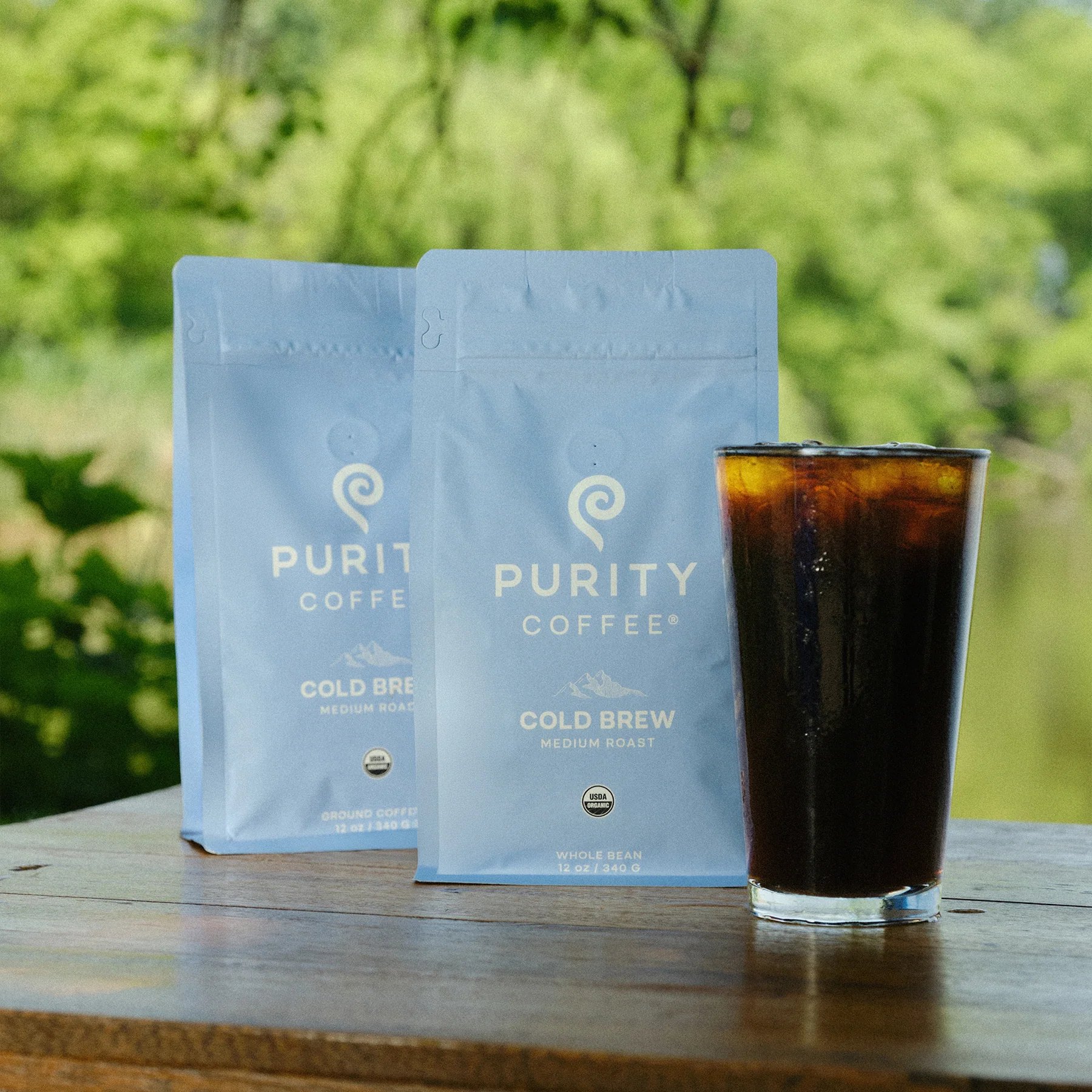
Your wife was sleeping 10 to 12 hours yet waking exhausted, while doctors offered no answers and you both already lived carefully. What did those months at home teach you about absorption, dose and where to look next
We asked which choices would follow if health effects alone set them. With Dr. Farrar we mapped each stage. That meant organic specialty grade arabica grown with regenerative methods. That meant hand selected cherry, controlled drying, and hygienic handling to prevent mold growth. Pesticides and mold rank as the two hazards to control. Coffee stands among the most intensively sprayed crops in the world after tobacco and cotton, using agents not permitted in the US. So we reject beans treated with pesticides. We reject mold and mycotoxins. We reject low grade commodity coffee that trades away health and taste, plus rough harvest and handling that invites mold. Each buyer should insist on sound, clean coffee. By clean we mean defined and tested points. No applied pesticides under the organic standard, plus laboratory data showing mold and mycotoxins under our thresholds. That is documentation, not marketing language.
You spent 18 months working with Dr. Adriana Farrar asking what choices you would make if health alone guided them. What did that protocol demand back at origin
That initial Brazil shipment taught us more than any discussion. We had started buying coffee around the world and screening in the lab for antioxidants, mold, mycotoxins and heavy metals. The shipment landed and testing showed heavy mold and mycotoxin contamination. The grower had replaced the agreed coffee with lower grade coffee. Near the end of 2016 we still packed our first bag, but only after discarding lots that missed the bar. It proved origin names do not assure quality. You must screen coffees globally in the laboratory and retain only those that clear the cutoff, lot by lot. A certificate of analysis, meaning the laboratory sheet tied to one lot, must correspond to the coffee that arrives. Third party lab means testing is run by a laboratory separate from the seller. That draws a line between a record and a claim. After that we organized the supply chain around sampling. Identified growers when possible, set harvest and drying criteria, then tested before roast. Confidence comes after the sample.
You repeat that it concerns the presence of good things and the absence of bad things. How does roast serve that idea without losing what you selected for
That sentence guides roasting. Chlorogenic acids, often shortened to CGA, plus trigonelline sit among the favorable compounds we track. They differ across crop and harvest and they respond to roasting. Longer and darker does not preserve them by default after careful selection. So we roast through tailored protocols to keep chlorogenic acids and related compounds, with antioxidants measured. In practice we use smaller, specified roast curves per lot, then assay to verify. We prefer to protect the favorable fraction rather than merely exclude the unwanted fraction. We prefer to let health set each choice rather than roast for price or habit. Customers report they sense it physically. We frame that as user reports of smooth energy without jitters or stomach upset, not as a clinical result. What we can track is dose and method. Organic growing, hand picking, managed drying, laboratory screening and a roast aimed at retaining measured constituents.
We began with composition and moved forward from there.
Andrew Salisbury
You use regeneratively farmed organic arabica and name farms like Finca Santa Maria in Colombia. What can you trace at present, and what stays opaque
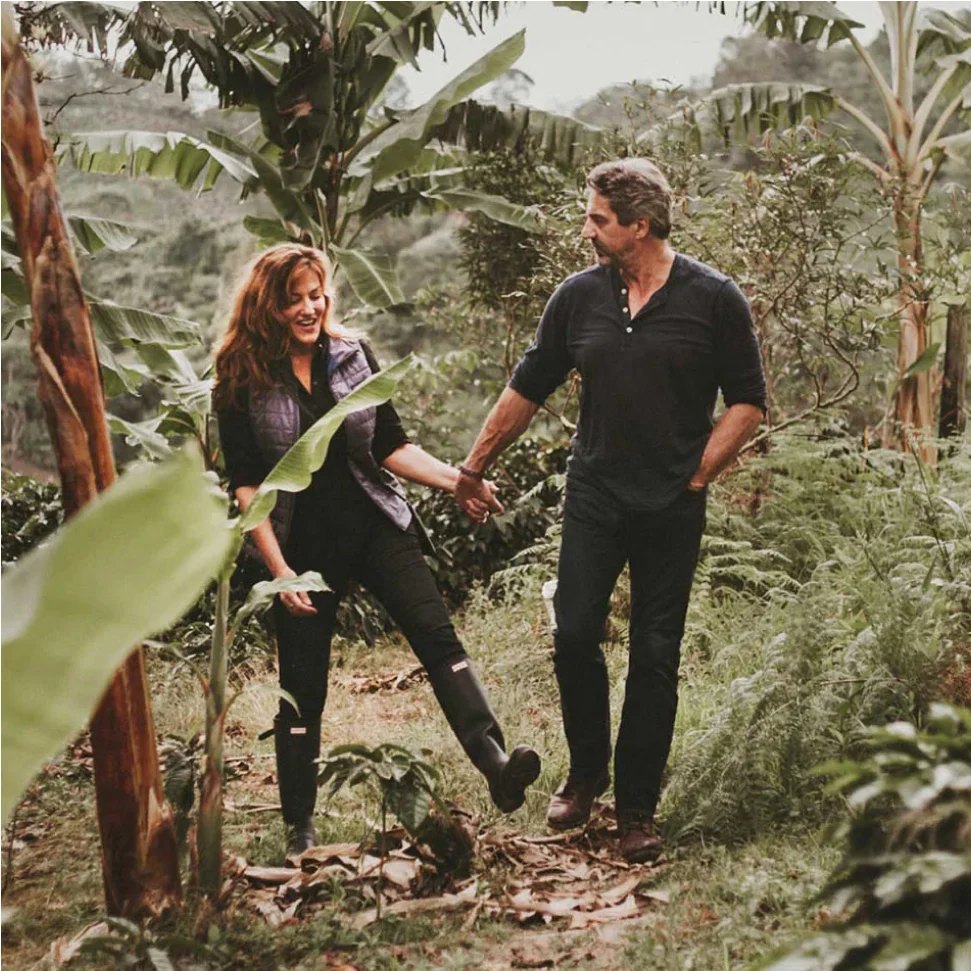
We now identify far more than at launch. Our Sacred Cups lines, as an example, contain honey processed coffee grown regeneratively by the Inga people in southwest Colombia, and microlots cultivated by the women of Finca Santa Maria in Colombia. Honey process in this context means some cherry mucilage remains on the bean while drying, which shapes taste and demands attentive drying to remain sound. Regenerative as we apply it means cultivation that restores soil and omits synthetic pesticides, within organic certification. What we can disclose is the farm or community, the processing method, lot screening for mold, mycotoxins and contaminants, and the roast log. What stays difficult is complete container level tracking for each blend part across seasons. Crops rotate. Lots deplete. When a part changes, records must change too. We list what is traceable and we continue to assay what is not yet fully mapped. Simply buy a better quality coffee. Behind that plain advice sit harvest date, drying record, lot number and lab sheet.
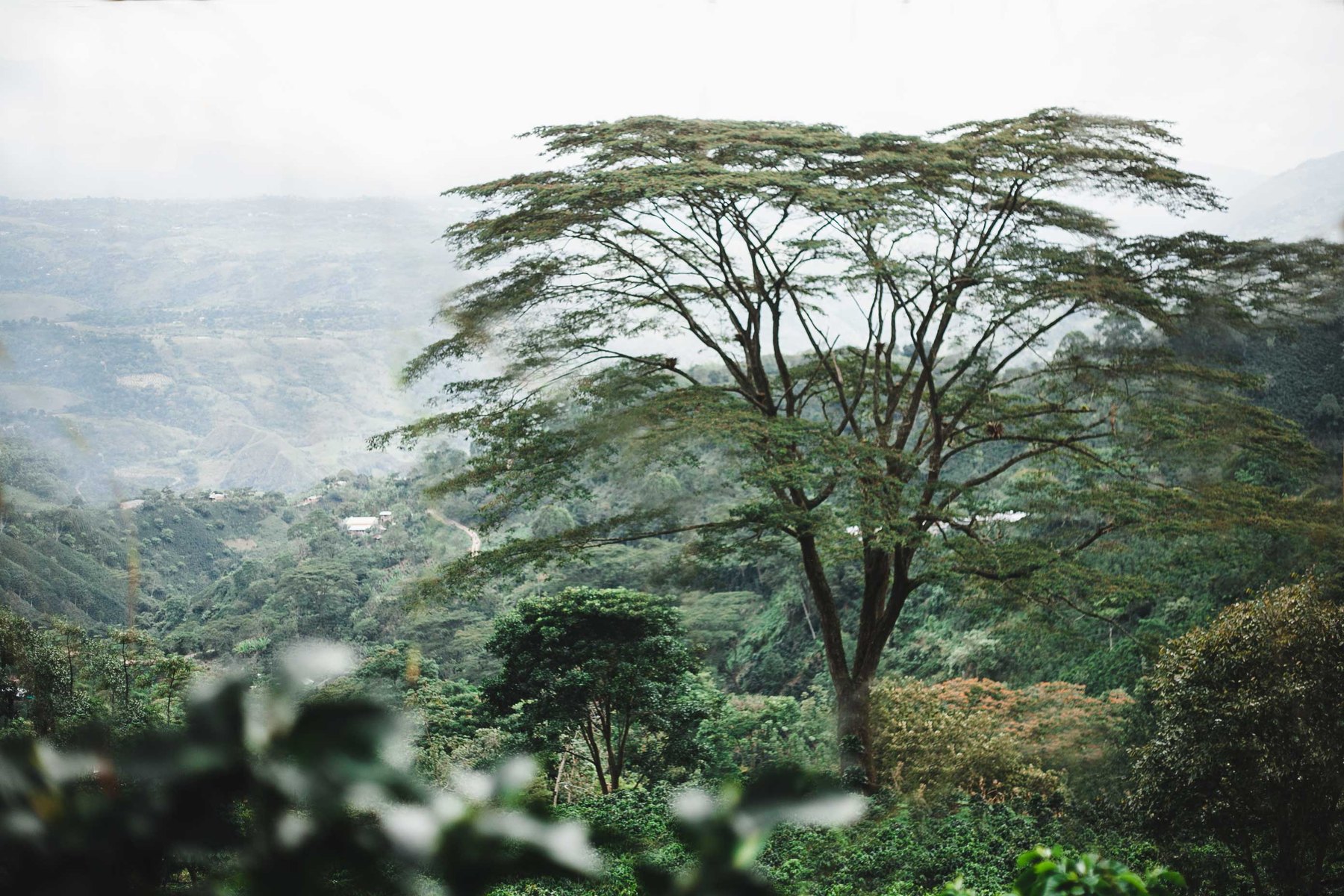
Your store now covers espresso, cold brew and a Founders Roast linked to Alzheimers awareness. Where should a careful buyer begin, and how should each be brewed
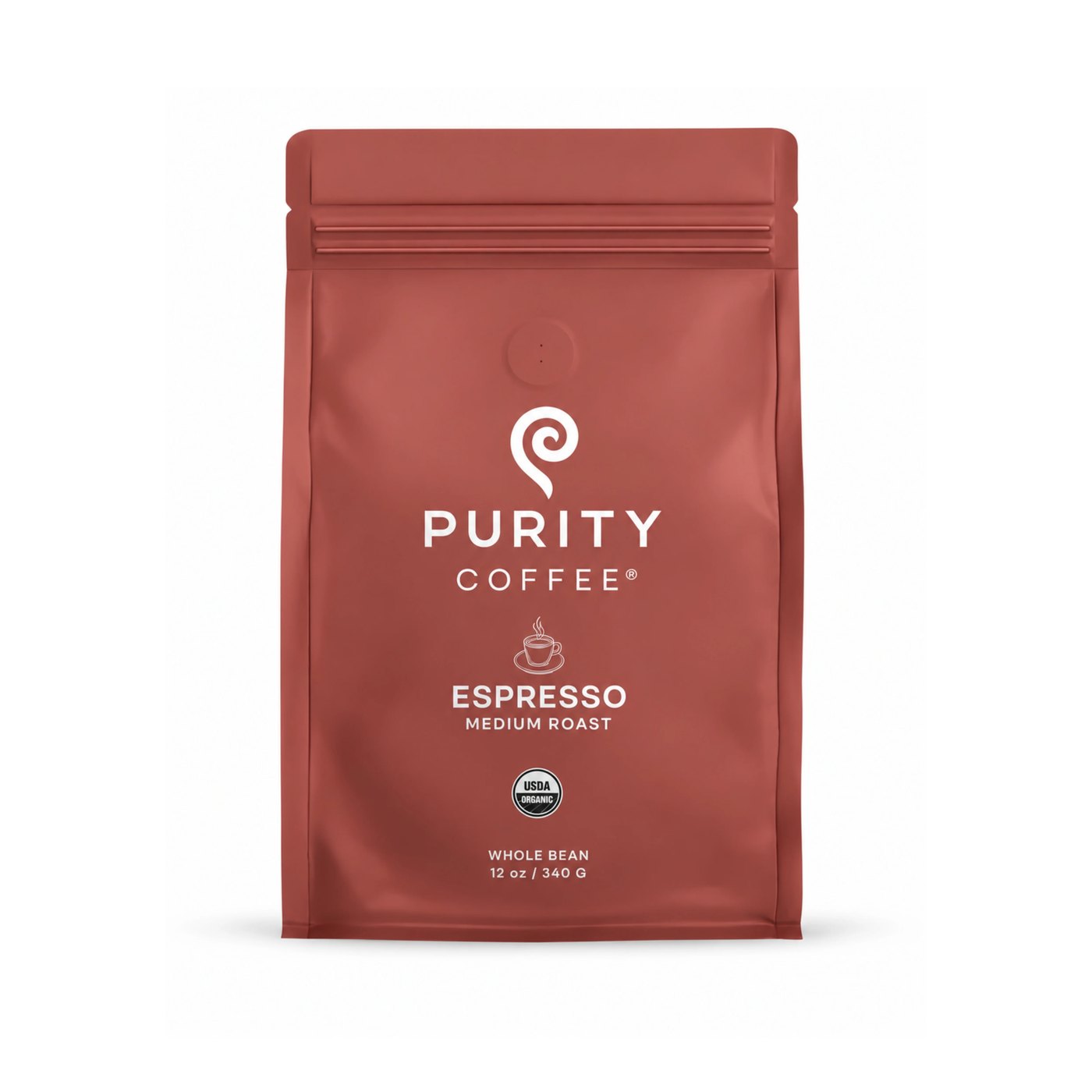
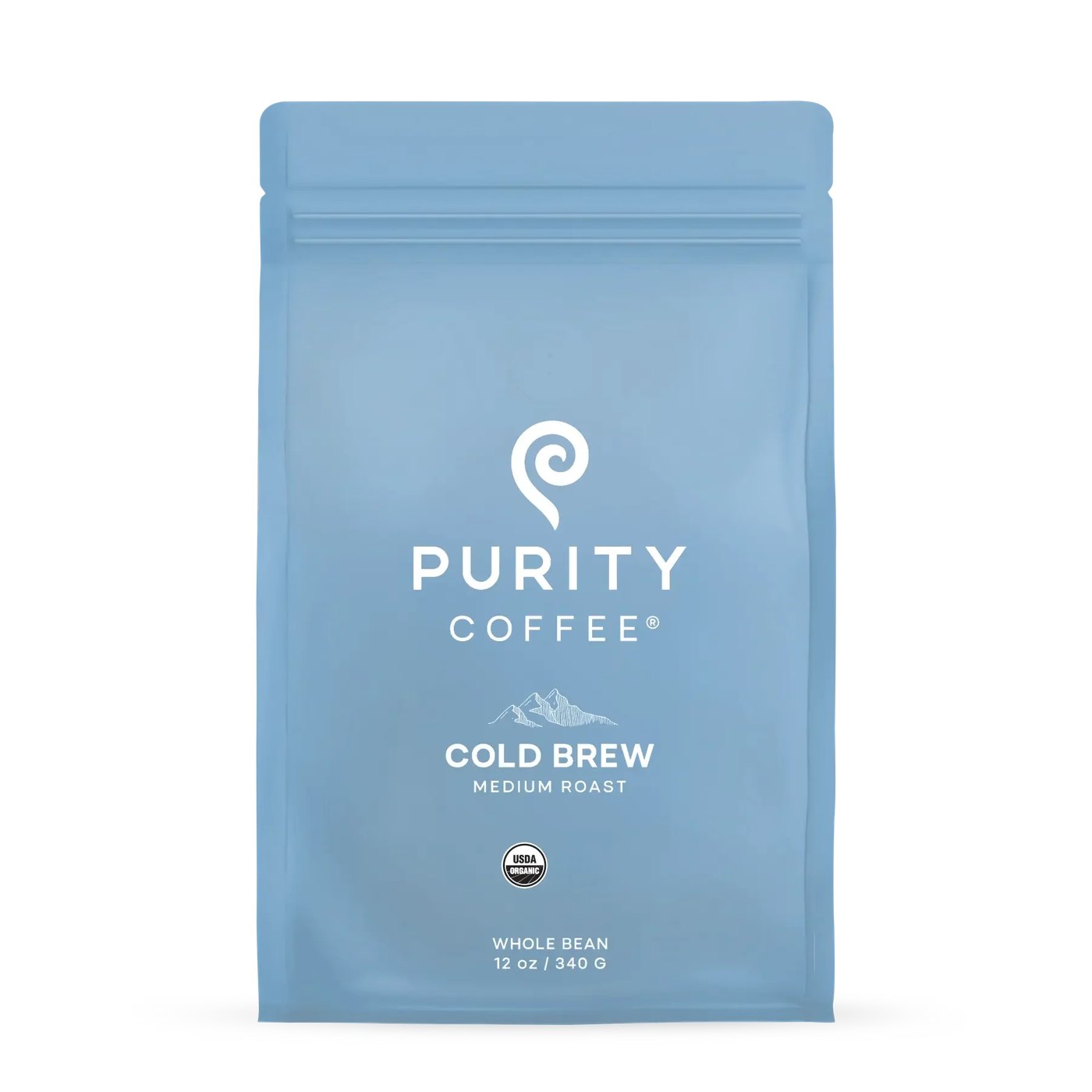
Begin with brew method. Our Whole Bean Espresso is a medium roast made for espresso extraction, a full balanced shot with thick crema and a clean finish. Grind whole beans just before pulling and serve straight or with milk. Our Cold Brew Whole Bean Coffee is built for home cold brewing. Grind and brew cold, a format many homes keep chilled for a mellow cup. The Founder’s Roast, including the Alzheimer’s Awareness limited release, suits routine drip or filter. Brew it as routine drip or filter coffee. Use clean water, a scale when available, and consume within weeks of roast. Our pledge is health centered coffee without tradeoffs that keeps favorable compounds high and unwanted material low. That must appear in taste and on paper. Business partners Jon and Missy Butcher joined Amber and me early, alongside advising scientists and clinicians. Improve the world’s health through coffee is the mission fixed on the wall. Make every choice on health is the check before dispatch.
You built this with Amber, with Jon and Missy Butcher, plus scientists advising. A decade on, what would be needed to show more
We continue to develop the category we outlined at launch. We sought to define standards for what we viewed as a new health oriented coffee category. To demonstrate more, we need lot pages that remain current as blends turn over, with origin, harvest, test panel and roast curve together. We need third party marks that carry uniform meaning across certifiers, described in simple terms. And we need to keep rejecting failures when stocks run short. Each buyer should insist on sound, clean coffee. By that we mean pesticide control by standard, mold and mycotoxin screening in the lab, plus selection for measured antioxidants. Customers report they sense it physically in daily use and tolerance. What we will keep releasing is what the label can substantiate. Farm or community, lot, process, laboratory data and roast date. That is how a pharmacology minded reader follows coffee too. Track it back until the field appears.
Closing note from the desk
What remains after this exchange is a founder who files coffee as a dosed agricultural input before it becomes a drink. Salisbury cites the substituted shipment that failed, the 18 months spent on protocol, and the laboratory sheets that now govern release. That discipline fits a measurement title.
Purity aimed to let health set each choice and to release evidence where feasible. Gaps persist as harvests turn and blends shift. The trajectory is legible. Follow the bag back to cherry, drying bed, container and roast, and retain what assays support.
Product spotlight
Whole Bean Espresso states its form plainly at 30 dollars for 12 oz whole bean A medium roast prepared for home espresso, noted as full and balanced with thick crema and a clean finish. Grind immediately before brewing and pull straight or with milk. Best in the weeks after roast, kept sealed in a cool place.
Cold Brew Whole Bean Coffee states its form plainly at 30 dollars for 12 oz whole bean Made for home cold brewing and noted as rich in antioxidants. Grind coarse and steep cold, then filter and chill. A stable home choice for drinkers who favor a mellow cold serving.

Hailey Carson
Hailey produces the Half Life interviews: the reading, the question lists, the follow-ups. She asks every founder for the study behind the claim and, more often than you would expect, gets the PDF the same afternoon.
More from Hailey Carson →