Mushrooms in coffee invite a pharmacology question before a flavor question. What compound, what form, what amount per serving, how much reaches blood, and how does that serving compare with the dose used in human research. We put those questions to the founder.
Four Sigmatic reports 100 million cups served across ten years, a volume figure that turns an early foraging habit into a dosing habit for American mornings.
A child who gathered fungi in Finland now sells fungi in coffee by the hundred million cup. Four Sigmatic disclosed the 100 million cup total when it marked ten years in 2022.
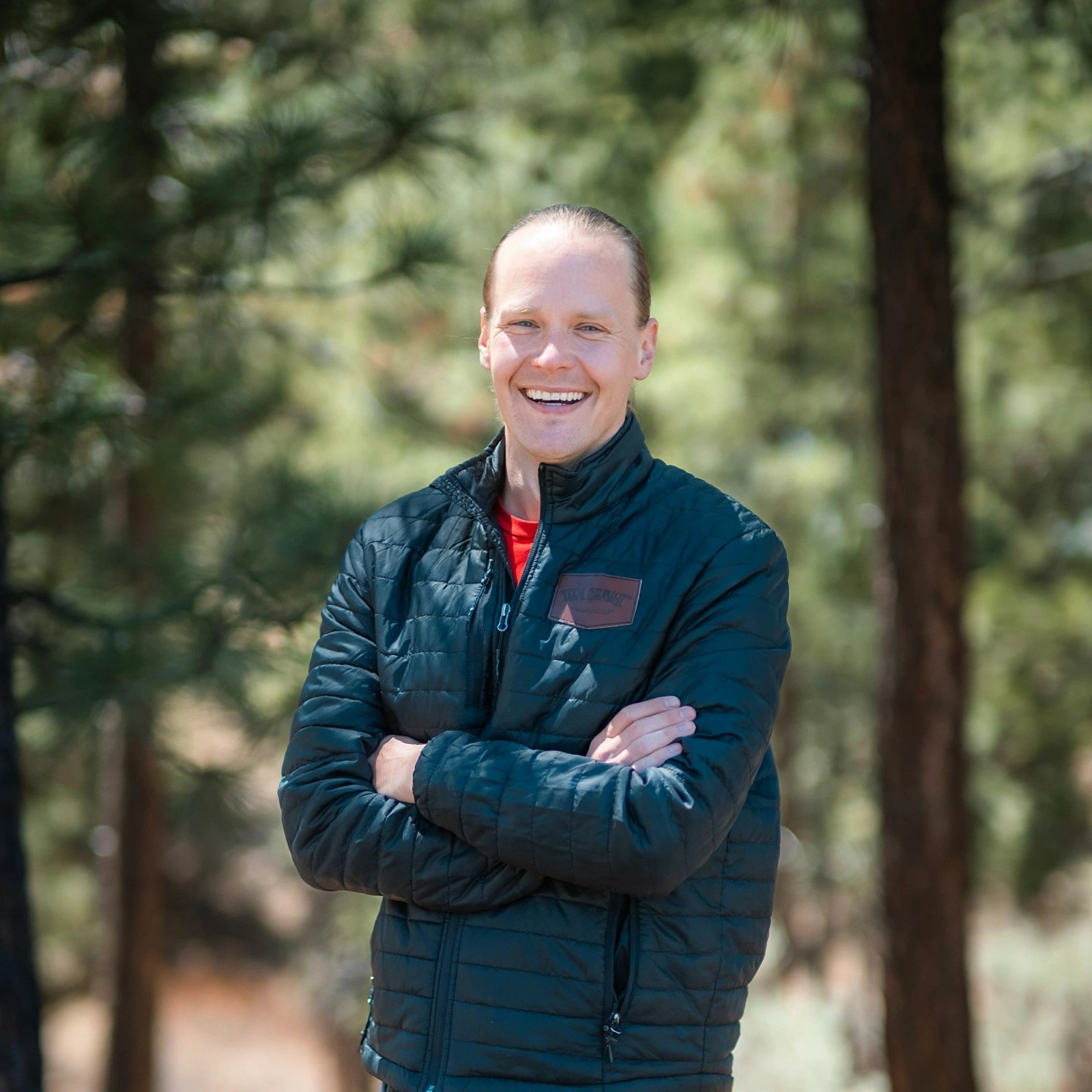
Tero Isokauppila was raised on a family farm held for 13 generations. His father practiced agronomy with a focus on soil and crops. His mother taught physiology and anatomy to nurses. The household foraged wild fungi and medicinal plants. His grandparents replaced scarce coffee beans with brewed chaga.
The present catalog is visible in stores. Ground coffee, instant coffee, lattes, cocoa and creamers formulated with extracts of lion’s mane, chaga, reishi, cordyceps and turkey tail. The notable choice here is delivery. Isokauppila did not begin with pills or tinctures. He placed extracts inside beverages people already prepare each day. That choice shapes absorption questions, testing limits and label reading.
You trained in chemistry and business and earned a plant based nutrition certificate at Cornell, then coached athletes. When did drinks start to look more useful than pills in your view.
I grew up in Finland on a family holding that has lasted for 13 generations. My father worked as an agronomist, a specialist in soil science and crop production. My mother educated nurses in physiology and anatomy, so our meals linked land and human biology in one discussion.
We passed much time outdoors, gathering wild fungi and medicinal plants while we studied how bodies function. Finland rewards endurance and forest time. You learn the harvest season for each species. You learn which birch grove yields chaga and which hillside yields rhodiola. You bring the harvest home, dry the material, store the material. That routine felt ordinary long before it became commercial.
Tero, you were raised on a family farm in Finland now in its 13th generation. What did that farm teach you about ingredient origin.
My Finnish grandparents, when coffee beans were unavailable, relied on chaga for a brew that may help support immunity. In Finland that swap was necessity rather than nostalgia. You brewed what the woods supplied.
I trained in chemistry and nutrition on my own path, and that training brought me early work counseling elite athletes and other strong performers on diet. In that counseling I developed interest in functional fungi and adaptogens tied to performance, covering chaga and rhodiola from Finnish woodlands plus additional species found overseas. Childhood left a sensory imprint. A hot, dark, bitter drink in a mug. Later, when I considered how regular intake of mushrooms might occur, I returned repeatedly to that mug.
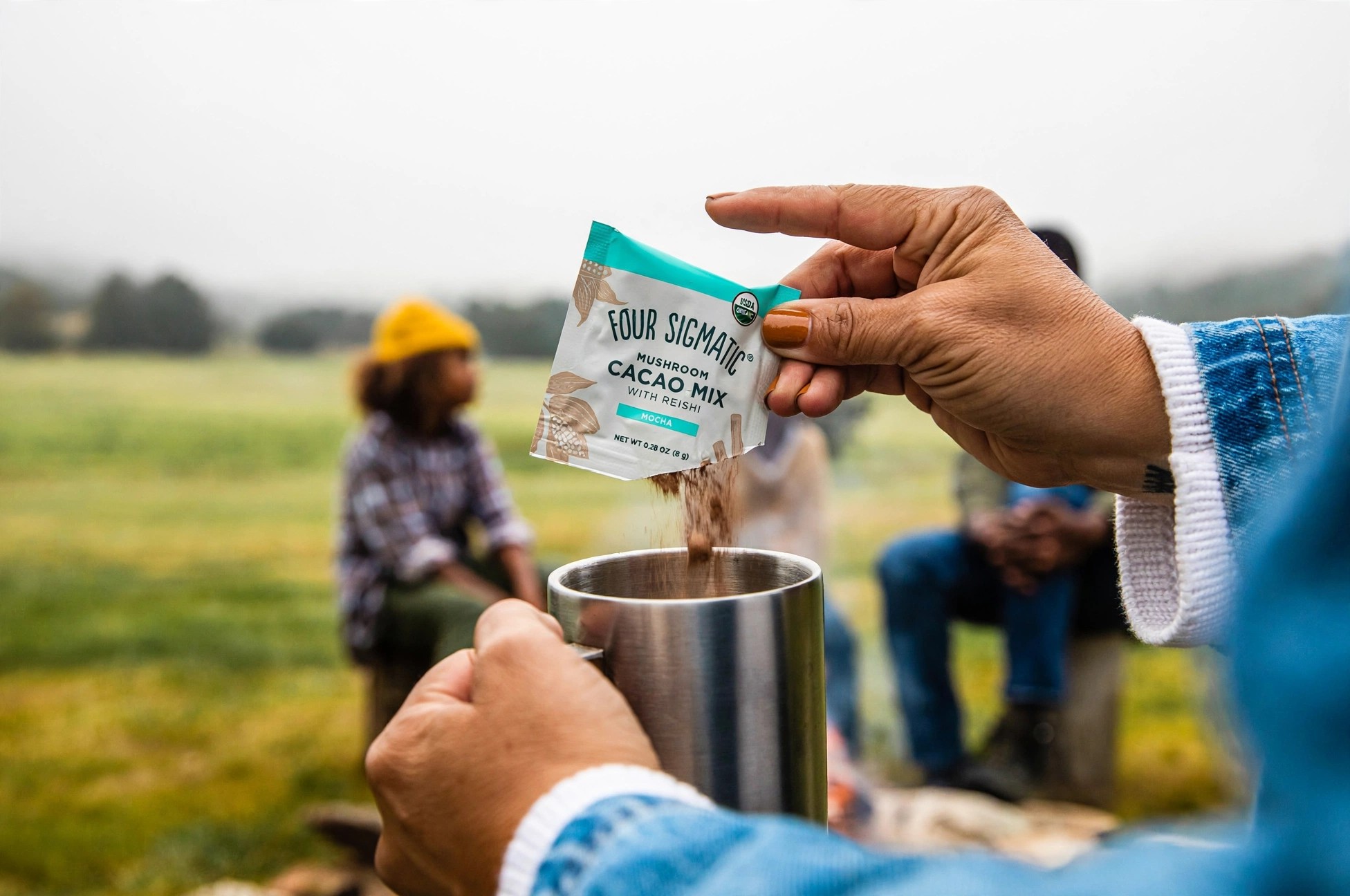
Your grandparents brewed chaga when coffee beans were scarce. How did you first read that brew, and how did it taste then.
More people could gain mood, energy and cognitive effects if intake tasted good and stayed simple to prepare. That line directed the entire firm. Athletes under my guidance did not seek another pill organizer. They sought a morning pattern they could maintain.
At launch of Four Sigmatic, I believed I had created a mushroom superfood firm. That vocabulary belonged to that period. With time I understood that we address daily problems and mental wellness. So the inquiry shifted from which fungus to which hour of use. Coffee for morning. Cocoa for evening. Latte for afternoon. So with a few Finnish fun guys, we made functional fungi into beverages consumed each day, such as coffee.
In 2012 you started Four Sigmatic in the United States with a small Finnish team. What did the early production runs show, lot by lot.
In 2012, I established Four Sigmatic with the goal of adding Everyday Magic to daily life. Our scale was modest. Instant coffee blended with mushroom extract, sealed in single serve sachets. Each sachet combined one coffee lot with one extract lot at a fixed fill weight.
Initially, we needed to persuade mushroom wary Americans that fungi support health, do not cause intoxication, and do not turn coffee muddy in flavor. That persuasion filled our days. We avoided psychedelic or intoxicating species. We used only culinary and functional species already present in foods. We held formulas spare so coffee character remained. Naturally, raising money as recent immigrants without credit scores created a separate obstacle. We understood growers and extracts, yet lacked domestic financial records. Each purchase order carried weight.
If a buyer traces one bag to the field today, what is visible and what stays opaque.
We assign species by daypart, and packaging reflects that mapping. Coffee products contain lion’s mane for focus. Chaga is listed for immunity and focus. Reishi appears for calm. Cordyceps appears for energy. That structure defines the line.
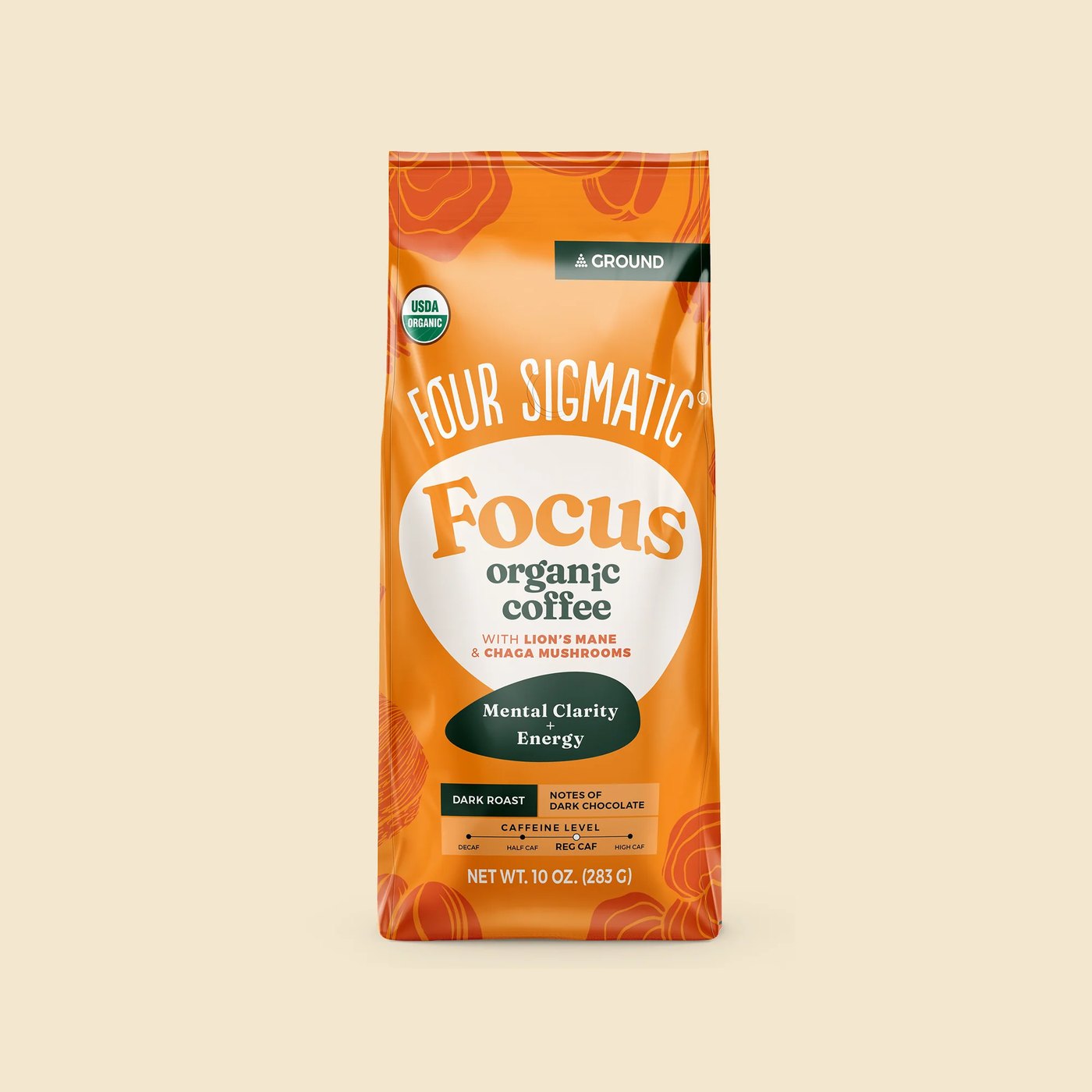
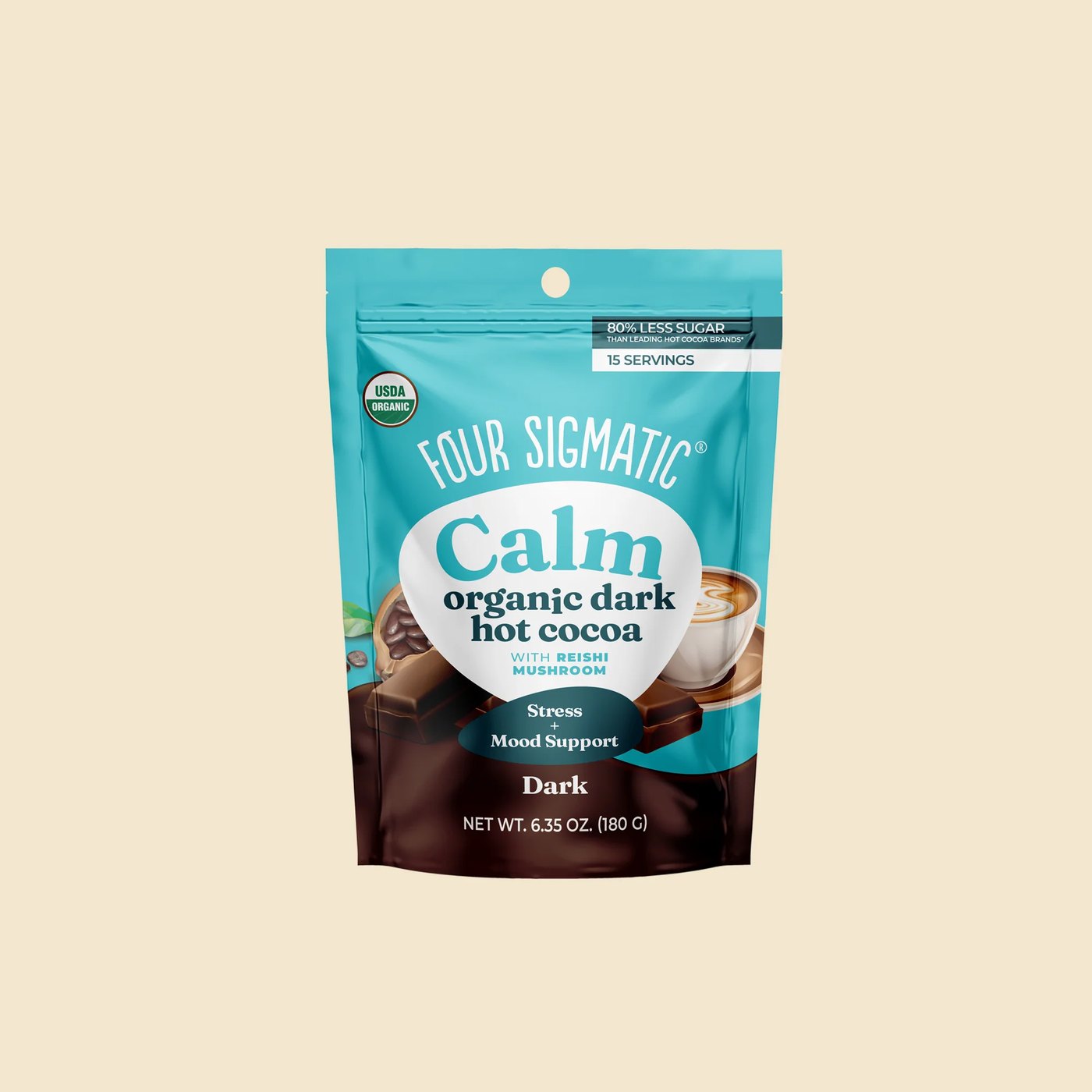
Focus Ground Coffee, a dark roast, combines organic ground coffee with lion’s mane and chaga extracts. You prepare it as drip or filter coffee to support work focus. Original Mushroom Coffee combines organic Arabica instant coffee with mushrooms, adjusted across revisions for flavor. Calm Dark Hot Cocoa lists unrefined cacao with reishi. You mix it with hot water or milk as cocoa. We reject synthetics, fillers or harmful chemicals in such mixes. Practically, ingredient lists remain brief, and taste must derive from coffee, cacao, coconut milk, spices or comparable foods.
I saw that more people might enjoy the mood, energy, and cognitive lift if the form were tasty and simple to make.
Tero Isokauppila
Your pledge is nutrient dense mushrooms made tasty and simple in daily drinks. How do you match each species to each drink.
We investigate and laboratory test ingredients, and we formulate without fillers or artificial flavors. Every inbound extract lot undergoes identity verification for species. Then technicians assay moisture, heavy metals and microbes against defined thresholds. Results enter a certificate of analysis tied to that lot number. Independent laboratory coverage means a facility apart from the vendor verifies the outcome.
Buyers should grasp what documents establish and what they leave open. A certificate establishes that a lot sample satisfied tested thresholds on the test date. It fails to identify forest or cultivator unless lot paperwork connects to harvest or cultivation logs. We retain lot files that connect a finished bag or box to constituent input lots. Certain chain segments document more readily than others, particularly after raw material moves through dryers, mills and extraction units toward us.
The brief says you research ingredients and lab test them. For a careful panel reader, which tests cover a typical lot and who performs them.
Growth changed the paperwork more than the formula. A small batch may use one dryer lot from one zone. A large run requires multiple input lots to complete the batch, each carrying its own certificate, combined toward one specification. Encapsulation in this context is not a shell capsule. It denotes sachet or bag filling, serving fill weight, and moisture resistant sealing.
By 2024 our leading mushroom coffee ranked first among ground coffee on Amazon, with distribution in Walmart, Whole Foods, Target, GNC, Albertsons and Vitamin Shoppe. Each retailer requests separate files, covering facility registrations through allergen declarations. Coconut milk creamer and cacao cocoa require allergen management on packing equipment, even where mushroom extract holds no milk. Hence segregation of lots and line clearance logs count as heavily as extract ratio. The beverage looks plain. Records behind it run long.
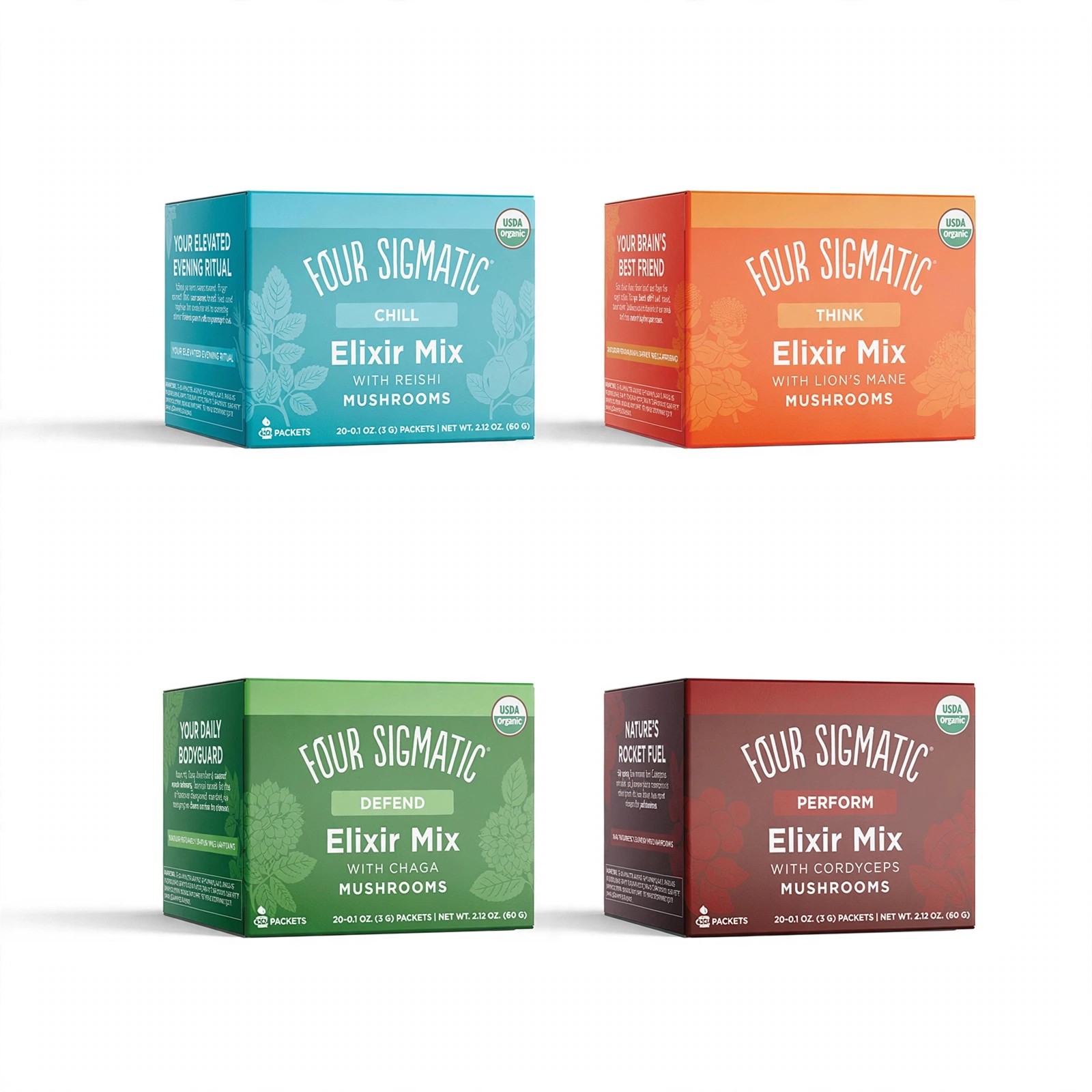
From instant sachets to ground coffee that tops Amazon and sits in Walmart, Whole Foods, Target, GNC, Albertsons and Vitamin Shoppe. What changed in sourcing as volumes grew.
A sincere buyer review outweighs celebrity backing for me. Repeat purchase built us, not public figures. That reality demands batch uniformity. When lot 40 diverges in taste from lot 39, feedback arrives fast.
On terrain, we report planting more than 40,000 trees to balance CO2 instead of merely purchasing emission offsets. Crews log planting location, planting date and seedling count, followed by survival review after planting. That program sits outside ingredient traceability, yet expresses a shared principle. I prefer creating a fully sustainable enterprise over extracting from people or planet. My childhood farm showed soil as an extended ledger. You never withdraw without recording repayment.
You say you prefer serving buyers over chasing celebrity backing, and planting trees rather than only offsetting emissions. How that choice shows in the supply record.
The label provides visible facts. It names coffee or cacao, specified mushroom extracts, plus remaining components ranked by weight. It states serving size, servings per container, and packing location. When buyers send the lot code printed on the bag, we can retrieve blending and packing entries for that batch plus certificates for input lots.
The early stage stays partly hidden. Wild harvested dried chaga can pool fragments from multiple pickers ahead of extraction. Farmed lion’s mane and reishi can originate in indoor operations gathered across separate days. Extraction sites grind and combine material for evenness, which aids uniformity while obscuring a single farm narrative. Naming one grower per serving would demand farm specific separation across harvest, drying, extraction and blending, audited at every transfer. Such a system exists. It raises cost and calls for customers who inspect those files. Protect personal health first. Without wellness, a firm lacks wellness. I offer that counsel to founders, and I offer parallel counsel to shoppers concerning documentation. Begin with the record available for review now.
Closing note from the desk
The durable element here is the vehicle. Coffee and cocoa need no instruction. They move a measured extract quantity into an established ritual, with a concise ingredient list and a retrievable lot code.
Four Sigmatic aimed to deliver what Isokauppila terms Everyday Magic to daily life, meaning in practical language fungi in routine beverages free from synthetics or fillers, checked lot by lot. The path toward the harvest site stays incomplete, as this interview records. Records hold firmer around blending and packing than around collection, and the company signals that directly by citing labels and certificates instead of farm identities.
Product spotlight
Focus Ground Coffee blends organic dark roast ground coffee with lion’s mane and chaga extracts, sold at 20 dollars for a 1 pack. It suits morning use for shoppers who favor coffee as the extract vehicle over capsules. Prepare as standard ground coffee by preferred brewing technique and store the bag closed and dry to preserve aroma.
Calm Dark Hot Cocoa blends unrefined cacao with reishi mushroom, sold at 20 dollars for a 1 pack, with 2 pack at 40 dollars and 4 pack at 80 dollars. It suits evening style use for shoppers who choose a water or milk drink. Combine with hot water or milk until dispersed and drink warm.

Katherine Warren
Katherine edits the news desk and the monographs at Half Life. She keeps a spreadsheet of every dose she has seen on a label beside the dose used in the trial, and the gap between the two columns is usually the story.
More from Katherine Warren →