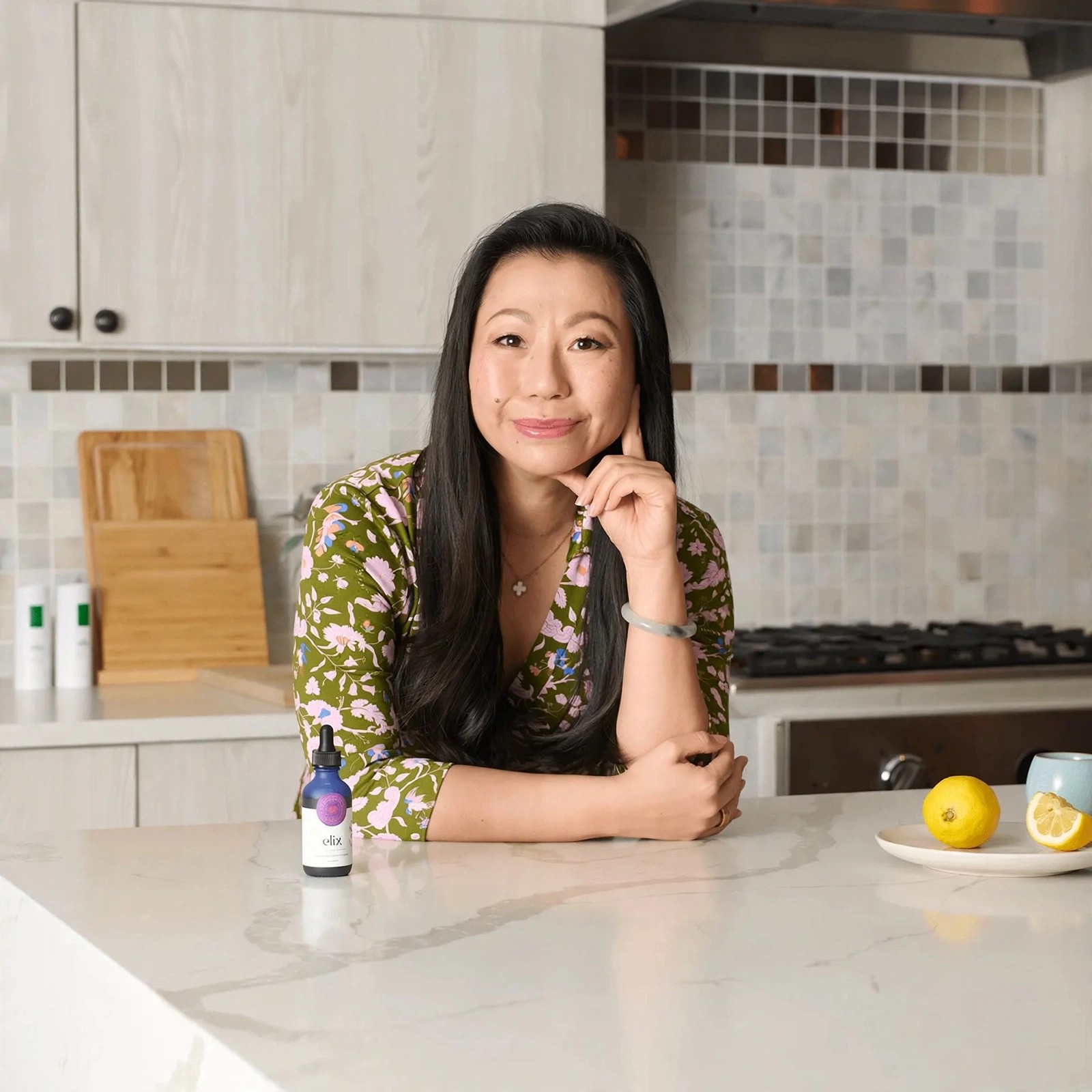
A tincture bottle, a dropper and a Supplement Facts panel with up to eighteen herbs inside. That is where Half Life starts with Elix founder Lulu Ge, and with the milligrams behind a menstrual formula that began as a daily pot of boiled roots in Shenzhen. In this interview she walks from grower to extraction to test, with doses and paperwork in view.
For several months each morning in Shenzhen, Lulu Ge boiled a bag holding a dozen whole herbs. She had come to consult Dr. Xia Hongsheng after stabbing cramps, headaches, bloating, fatigue and broken sleep that appeared after sixteen years using birth control. He checked her pulse, examined her tongue and instructed her to cook the herbs down every day.
Ge was born in China, raised in California and now lives in New York City. At home she never received Tylenol or Advil, while her grandmother simmered bone broth with ginseng or medicinal mushrooms. Her grandfather ran a hospital in Hunan. Then a decade of consulting work left her persistently burnt out, and stopping prescription contraception left her with symptoms that American clinicians largely brushed aside.
Once home in the United States she could not locate those same herbs organically grown in a clean form with good absorption. After examining 246 clinical trials and studies, plus a pilot involving more than 300 women across almost a year, she introduced Elix in January 2020 as tailored herbal blends based on an online health review of around 50 questions and a tongue image. What concerns Half Life is the pharmacology after that, how bulk herb turns into measured liquid, what the lab verifies and how label dose relates to study dose.
That kitchen without Tylenol or Advil, where bone broth held ginseng or medicinal mushrooms, seems central to your sourcing logic. What did it teach you about origin that still guides lot selection.
As a child I did not use Tylenol, Advil, or Pepto Bismol when I felt unwell. That was simply our household rule. My grandma prepared bone broth with ginseng or medicinal mushrooms, and herbs plus food came first. It showed me that something useful has a source you can name, a root or a fungus or a cooking pot, rather than an anonymous white pill.
Launching Elix has felt like returning home and rediscovering the beauty and the healing handed down through many generations in my culture. My grandfather operated a hospital in Hunan, so this never felt theoretical to me. When I review a lot or a batch today, I remain that child asking where it was cultivated and who touched it. I seek whole herbs, grown organically when feasible, handled simply. If I cannot trace it, I will not bottle it.
Sixteen years on birth control, then stabbing cramps and insomnia that painkillers, fish oil and a vibrating device could not hold. What moved you from that shelf to your family and a flight to Dr. Xia Hongsheng in Shenzhen.
I had tried what was simple to purchase here. Painkillers, fish oil, period products, even a vibrating device. Nothing lasted. Physicians dismissed my pain or proposed returning to birth control, which seemed to cover discomfort instead of understanding it. I know 55% of women in the U.S. say they have felt gaslit at some point by a medical provider, and I recognized that pattern in my own appointments.
So my mother mentioned my issues to my grandfather, who linked me with Dr. Xia Hongsheng in Shenzhen. He took my pulse, checked my tongue and directed a dozen herbs boiled daily. The following month my stabbing pains eased, and within a few months almost all symptoms faded. That daily boiling and drinking ritual allowed me to observe slow change, which reflects how herbs act. You would not expect one kale salad or one bowl of blueberries or one gym visit to remake your health. Consistency matters.
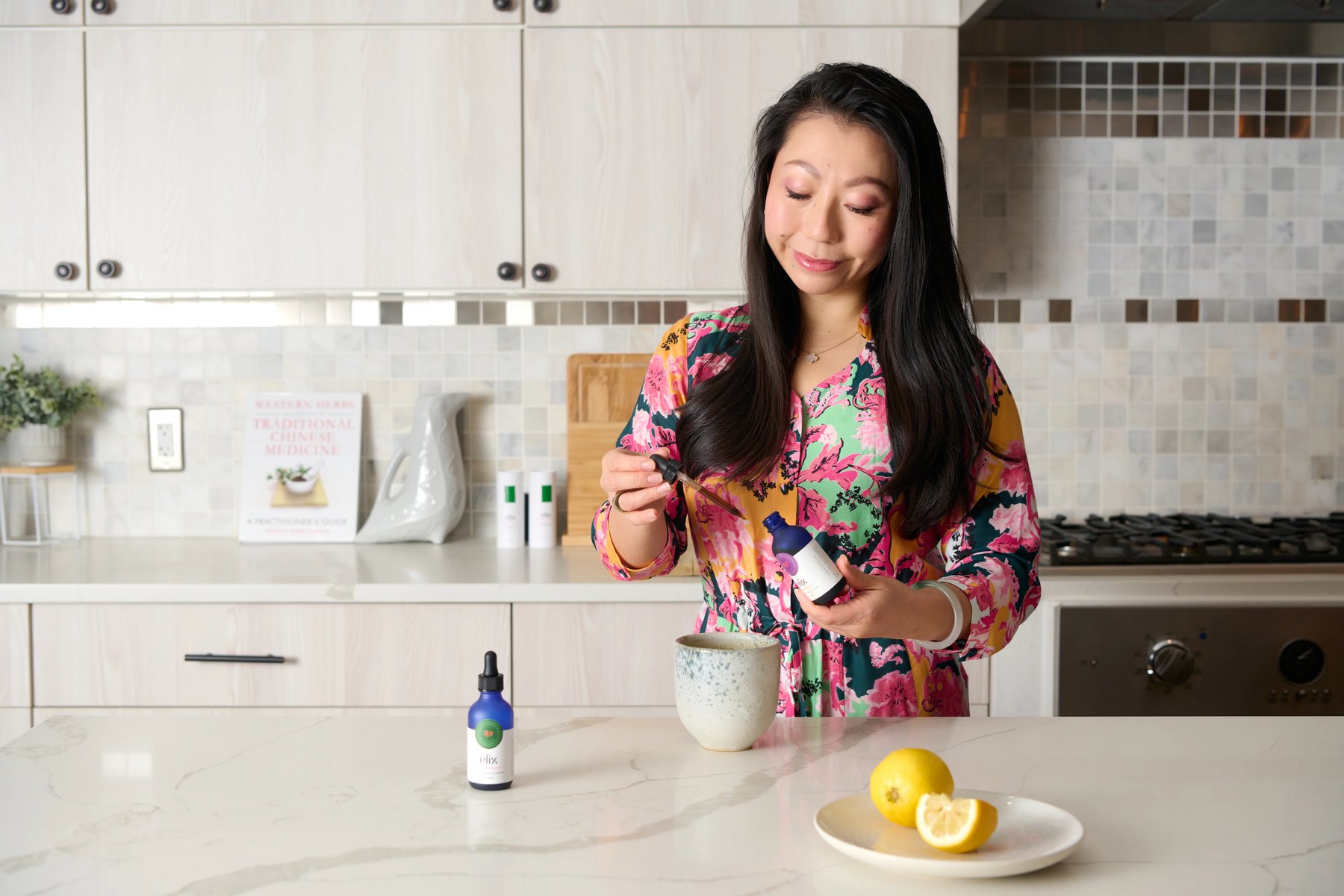
Your hero product Cycle Balance One Month costs 52 dollars and blends up to eighteen herbs per person. What does that tailoring require in compounding compared with one fixed stock formula.
A set formula allows purchase of one large lot, a single extraction and filling of thousands of matched bottles. Tailoring inverts that. Each order begins with a pattern, then we draw from separate herb extracts to combine as many as eighteen botanicals for that individual. It resembles a pharmacy compounding operation more than a single production run.
That creates extra work in lot tracking. Every component extract holds its own certificate of analysis, and the completed blend gets its own batch record. Daily use stays simple. Complete the online health assessment and then take the personalized liquid drops each day. Yet behind that simplicity sit stocks of many single herb liquids, small blending batches and rigorous labeling so the bottle aligns with the pattern. We prefer to personalize formulas by pattern diagnosis instead of selling one size fits all wellness. That decision raises labor and testing costs, which is why the supply chain must be exact.
Do you expect one kale salad or one bowl of blueberries or one trip to the gym to remake your health.
Lulu Ge
A review of 246 clinical trials plus an assessment near fifty questions and a tongue photo turned a pulse visit into software. How did you translate that clinic encounter into an online form.
At Elix, we basically turned that clinic visit into an online health assessment to widen access to Traditional Chinese Medicine. We collaborated with Dr. Xia and reviewed 246 clinical trials and studies to construct the logic. The review asks around fifty questions on cycle length, flow, color, clots, digestion, sleep, stress and temperature trends, plus requests a tongue image.
In Traditional Chinese Medicine, tongue inspection is read as a visible signal of internal health, including signs like heat and dampness. We apply branch and root theory to group symptoms into patterns instead of addressing one symptom alone. In Western medicine, you usually treat the symptoms rather than the root. While from a Chinese medicine perspective we treat the body as a whole. After piloting with over 300 women for nearly a year, we launched in January 2020 with custom blends containing up to eighteen herbs.
Organic whole herbs processed separately with low slow extraction, then boiled and mixed as filler free liquid tinctures. Can you trace the route from grower bag to bottle and say why liquid instead of pills or powders.
We begin with organic whole herbs from growers listed by name on our herbs page, then handle each herb alone. Some require extended boiling, some require gentler heat, so we hold them apart until extraction finishes. Low and slow extraction means boiling over time to pull constituents into liquid, then mixing those liquids into a tailored formula. That is why we package a tincture instead of a powder.
I reject pills and powders with fillers and synthetic materials because they add weight without value. A tincture holds the extracted liquid directly, and a dropper keeps daily dosing exact. Fill weight in a capsule tells you how much powder is packed inside. Fill in a tincture tells you the ratio of herb to liquid plus the drops in each serving. We maintain a short other ingredients line and state that it is third party tested for purity and potency. For the buyer who reads the Supplement Facts panel, that documentation matters more than adjectives.
Almost every assessment mentioned racing minds and light sleep, and Yin Time at 38 dollars answered with Suan Zao Ren Tang plus Reishi. Why did a nightly sleep blend become a best seller beside cycle care, and where do its inputs start.
Sleep appeared in almost every assessment. Women described racing minds, light sleep and restless nights around their cycles and in stressful months. Yin Time is our response for that evening window. It stems from Suan Zao Ren Tang, a classic formula, updated with Reishi, a medicinal mushroom cultivated on wood or substrate, gathered, dried and extracted prior to blending.
We call it yin time because Traditional Chinese Medicine splits the day into active yang time and restorative yin time. The directions are plain. Take it nightly as a calming ritual to settle into rest. It is wine inspired as a wind down pour, minus the alcohol. I really believe in the intersection of East meets West sciences, so we preserved the classic framework and recorded the sourcing and testing as a careful buyer would wish to see it.
Craving Support at 38 dollars reaches back to a classic formula from 1100 AD and your site copy mentions metabolism. As a pharmacology reader we ask what appears on the label and what stays hidden.
The label presents an organic herbal blend rooted in a classic Chinese Medicine formula from 1100 AD, with serving size, herb list and other ingredients. It claims support for metabolism when used daily. What it omits is what every supplement label omits. It does not list the grower lot, the extract ratio or the certificate of analysis. Those remain in our internal batch records and in summary statements on our herbs page.
I never leave home without our organic gingerade, and I take our formulas with that same daily habit, but I will not say a tincture treats a condition. Elix notes on its site that its statements have not been evaluated by the FDA and its products are not intended to diagnose, treat, cure, or prevent any disease. What I can vouch for is process. Organic whole herbs, low slow extraction, small blended runs, third party testing for purity and potency, plus a label that lists contents without fillers.
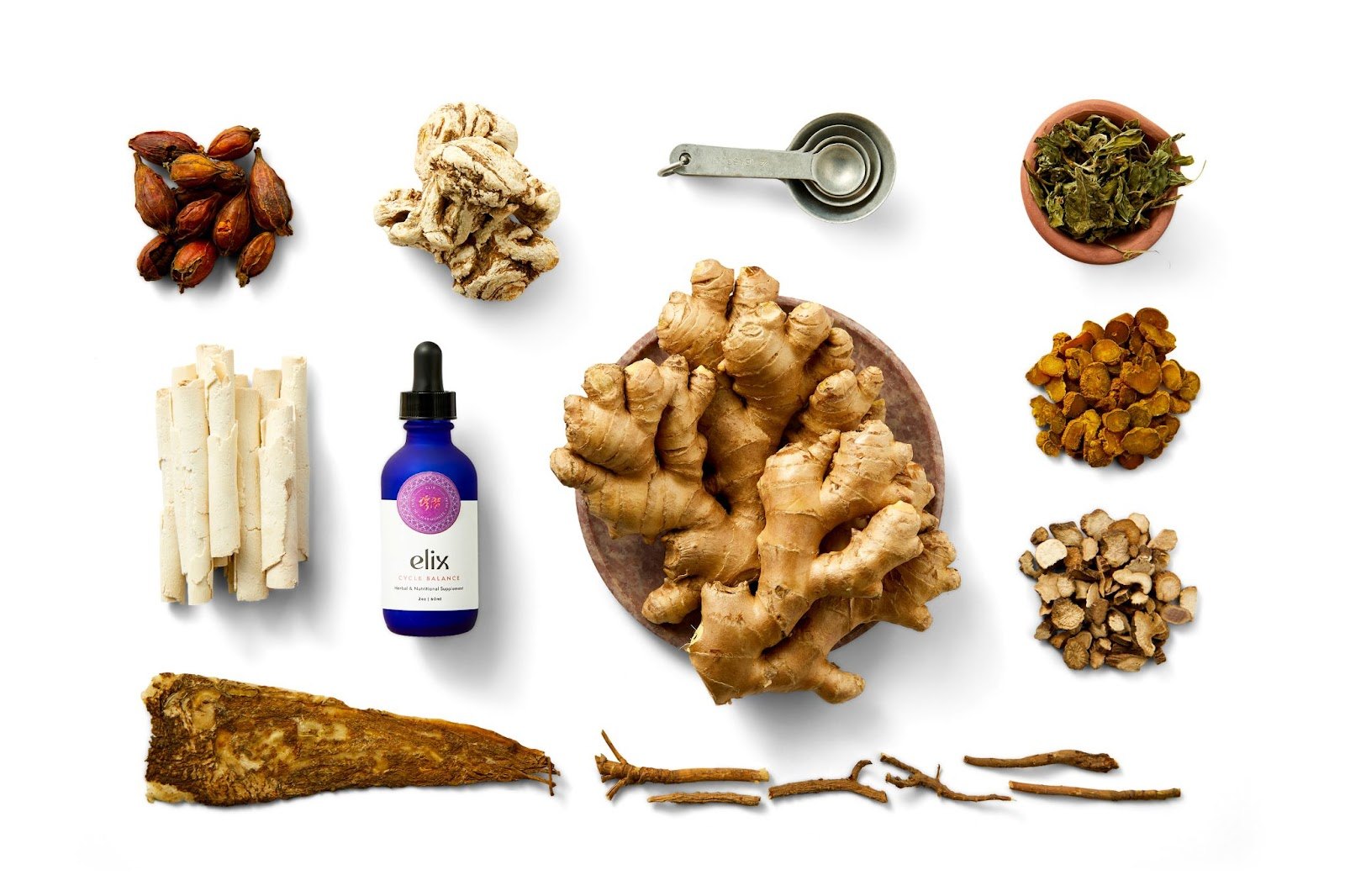
Farm identity for each exact lot is where you admit opacity remains. What would full traceability require from grower to bottle.
Farm identity for each single lot is the hardest part. We can name growers and show third party testing for purity and potency, covering heavy metals and microbes. What we do not yet print per bottle is the farm, harvest date and certificate for that exact blend. Multi herb personalization adds complexity, since one bottle can hold more than a dozen lots.
To reveal it fully we would need lot level traceability printed or scannable per order, from grower to extraction to encapsulation or bottling. That involves harvest records, drying logs, extraction logs and lab reports linked to one batch code the customer can look up. I truly want Elix to be a trusted friend and adviser, from your first periods to your last hot flash and all between. Publishing that full chain is how a friend earns trust.
You often close by saying wellness begins with paying attention rather than copying what someone else swears by. For a buyer with a small shelf kept for years, how should they read the label and judge whether the higher price paid off.
Wellness does not begin with what someone else swears by. It starts with paying attention. Start with the Supplement Facts panel, then look at the other ingredients line. Seek organic whole herbs, the form as tincture or tea, the serving size and the daily directions. Look for a note about third party testing for purity and potency. Maintain your own notes for two to three cycles on flow, cramps, sleep and stress, since pattern care is slow.
We began with Cycle Balance, then added daily teas like Bloom and Balance to support hormone cycles, ease stress and lift immunity, brewed as mindful ritual, plus Yin Time as a nightly option. Purchase for the pattern you hold now, use it consistently, and compare the paperwork, not the adjectives. If a brand can name growers, detail extraction and post test summaries, that traceability is part of what you paid for.
Closing note from the desk
What lingers is the measurement problem. Ge reduced stabbing pain over months with boiled herbs in Shenzhen, then discovered no American equivalent paired organic sourcing with batch documentation. That gap produced an assessment, a compounding style blending room and a testing file.
Elix aims to widen access to Traditional Chinese Medicine through tailored formulas without fillers, followed from grower to extraction to batch. Certain stages stay summarized instead of scannable, a limit the brand states openly. On a crowded shelf, that candid accounting carries weight.
Product spotlight
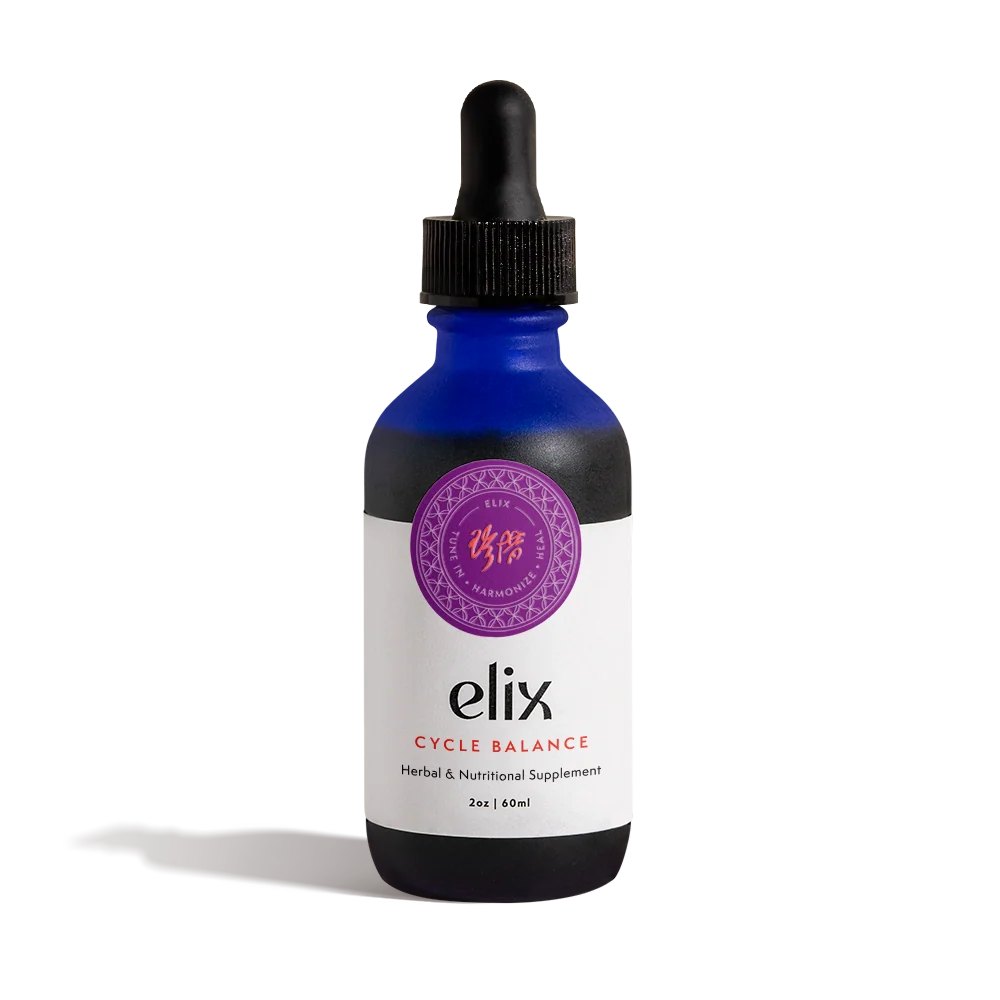
Cycle Balance One Month, 52 dollars for one month of tailored supply. A liquid tincture mixed from as many as eighteen organic whole herbs after an online review of around fifty questions plus a tongue photo. Use the measured drops each day on a steady schedule and record cycle patterns over two to three months.
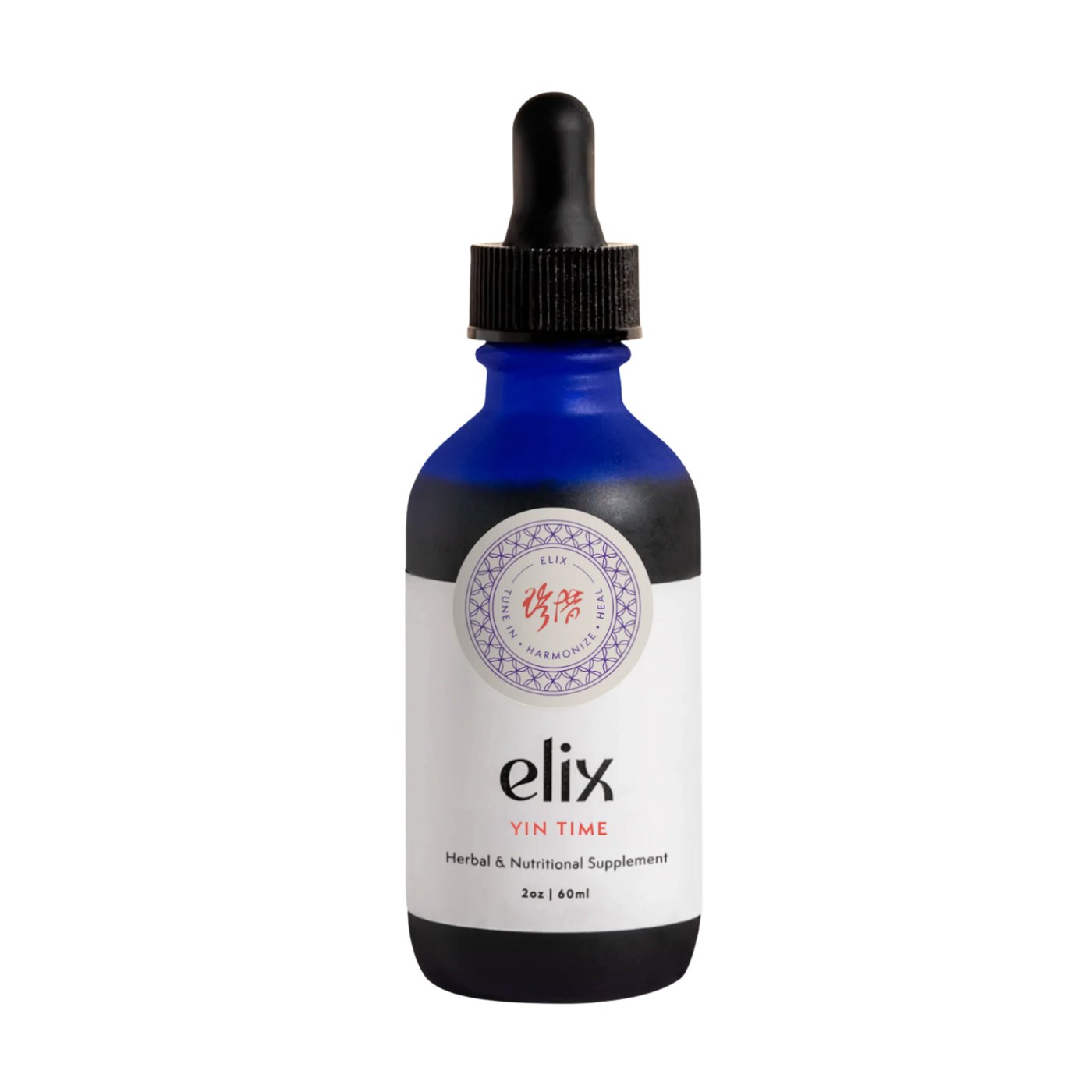
Yin Time costs 38 dollars for a bottled herbal blend. An organic nighttime formula based on Suan Zao Ren Tang and updated with Reishi mushroom, used nightly as a calming ritual to ease into rest. A wine inspired pour without alcohol, stored on the evening shelf beside tea.

Hailey Carson
Hailey produces the Half Life interviews: the reading, the question lists, the follow-ups. She asks every founder for the study behind the claim and, more often than you would expect, gets the PDF the same afternoon.
More from Hailey Carson →