Two friends, one instant powder, six mushrooms and two caffeine doses that can actually be compared to brewed coffee. We asked what is absorbed, what is standardized and what the lab report would need to show.
Millions of morning cups later, the reviews still talk about calmer energy and no crash. That community feedback is where this version starts, with 219,503 reviews at 4.8 out of 5 and more than 200,000 five star ratings attached to a direct to consumer powder launched from Boston in March 2020.
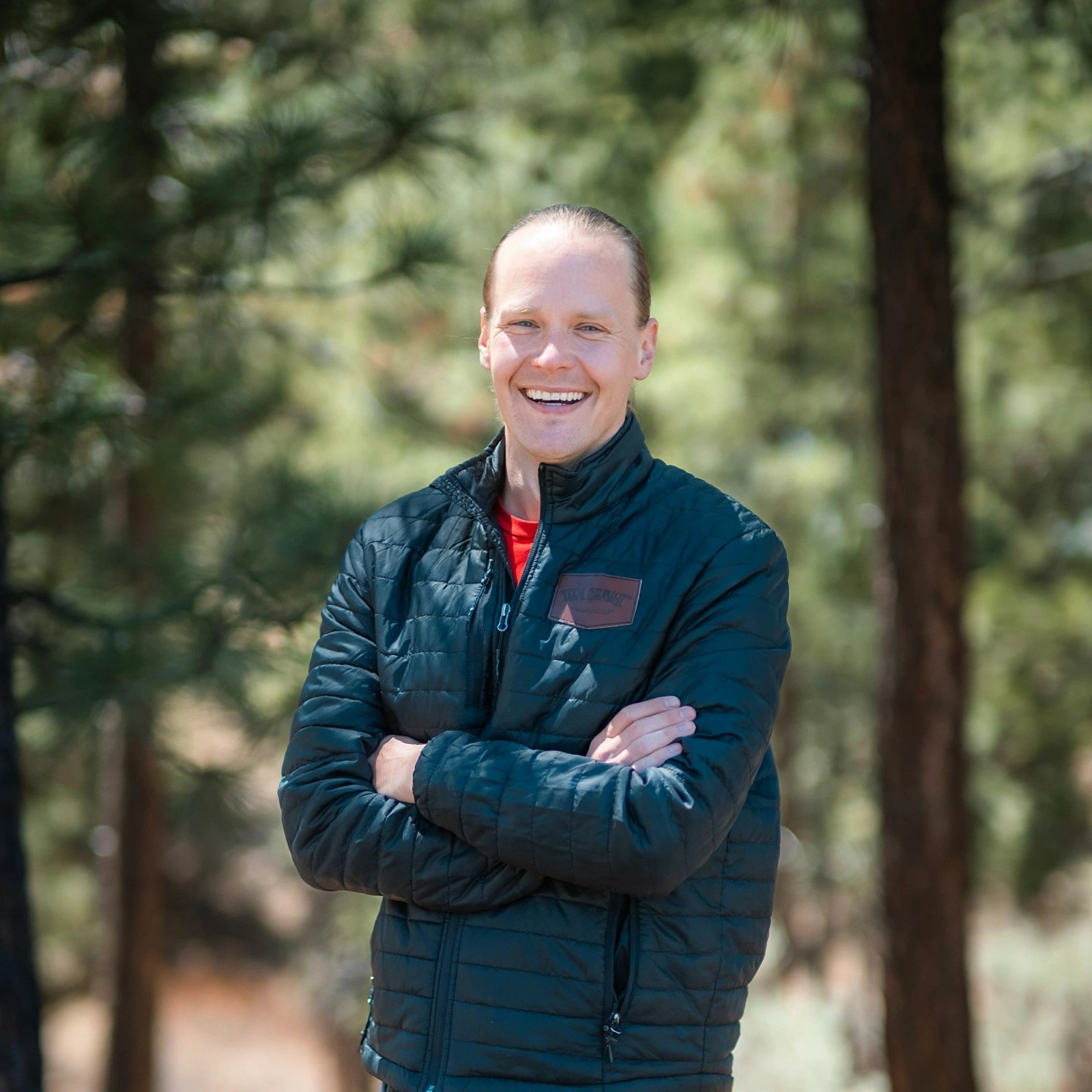
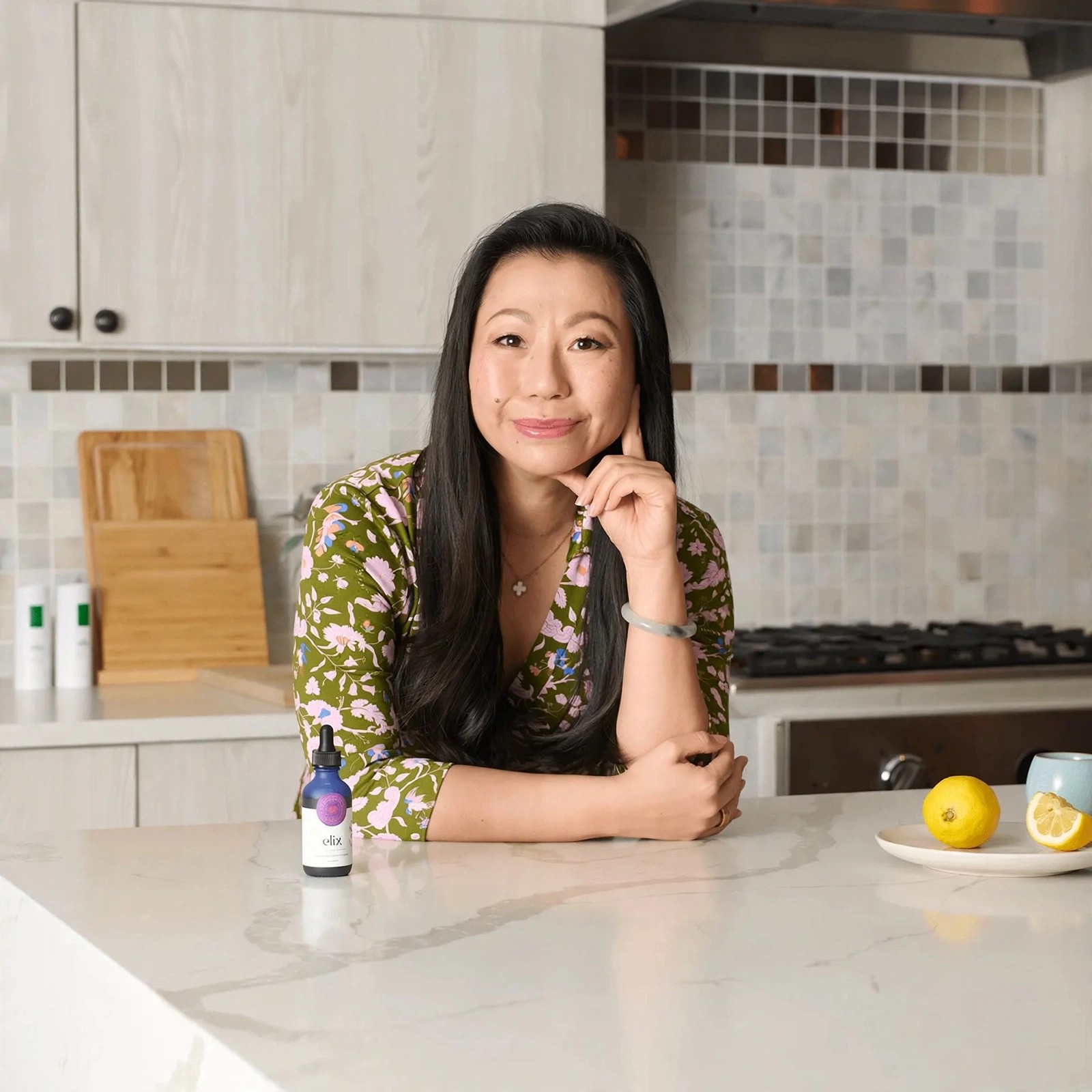
Andrée Werner and Rashad Hossain built RYZE as a small but mighty crew of creatives, strategists, scientists and customer staff based in Boston, Massachusetts. They met as best friends at Harvard and lived through long days and late nights on conventional coffee, then felt depleted, anxious and unsettled after each spike.
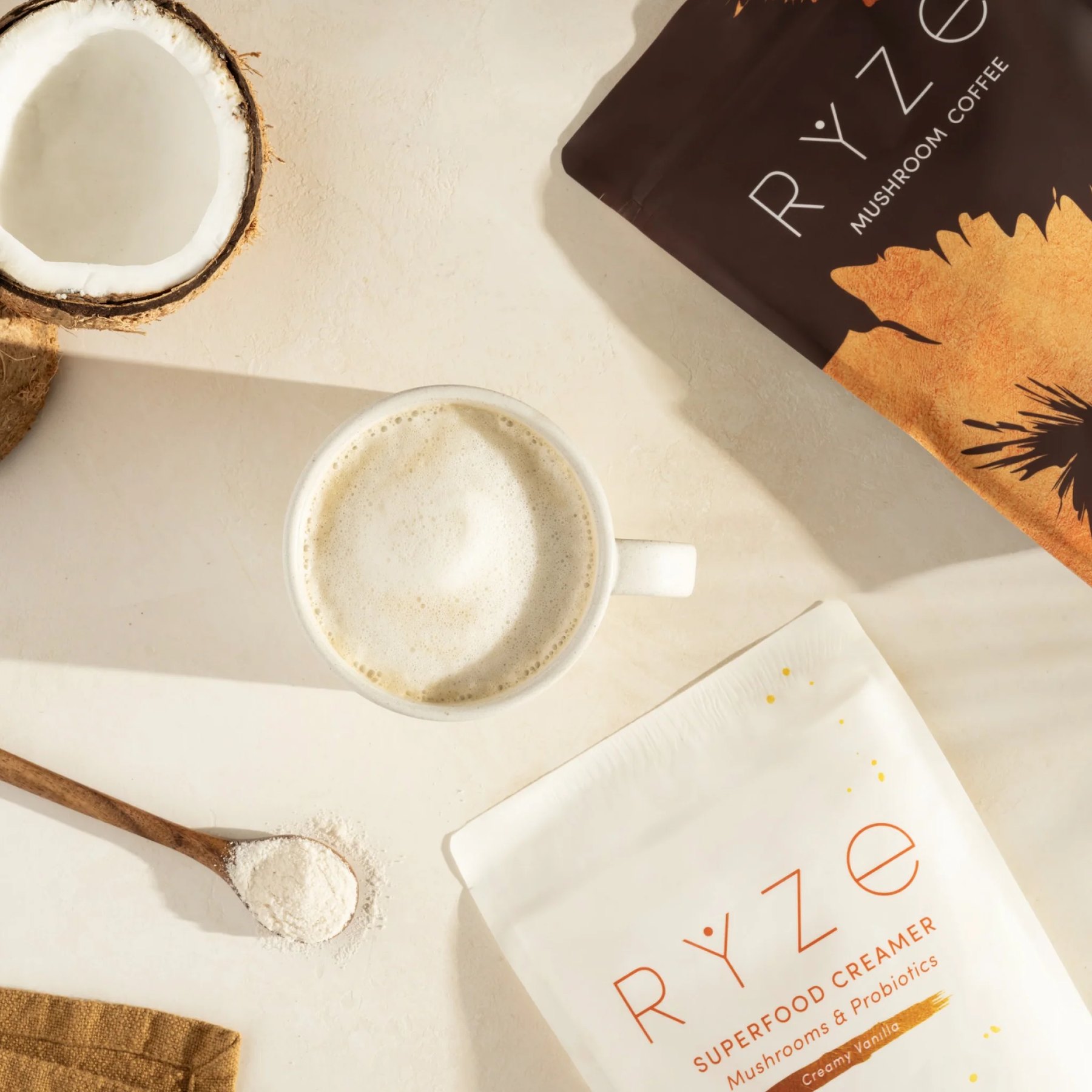
The formula they sell now is shade grown organic arabica from Mexico, roasted, brewed and spray dried, combined with six certified organic mushrooms grown in California and Nevada plus MCT and fiber. Cordyceps, lion’s mane, reishi, turkey tail, shiitake and king trumpet are listed in the brief. Each lot is said to be tested for mycotoxins and heavy metals and shipped from Texas.
Half Life reads that kind of label for dose, form and trial support. So we trace farm states and coffee country, the spray drying and blending steps, the stated caffeine range and the absent extract data, and we mark where appearance of calm energy has numbers and where the evidence is thin.
You say each ingredient is screened for mycotoxins and heavy metals. Who collects the sample, which lab tests it, and what can a certificate of analysis prove about one batch.
Hello from both of us, Andrée and Rashad, and thanks for reading closely. Testing sits inside every production run. Ingredients receive screening for mycotoxins and heavy metals, the two hazards we track most closely in coffee and dried fungi. Coffee may carry mold linked compounds when drying or storage fails. Mushrooms may accumulate metals from substrate, water or air. For that reason a sample from the lot is sent to a third party lab, meaning a facility independent from us and from our suppliers.
A certificate of analysis is the report tied to that lot. It names what was assayed, the method used, the limit applied and the result found. For heavy metals that generally covers lead, cadmium, arsenic and mercury measured against a defined limit. For mycotoxins that generally covers aflatoxins and ochratoxin A measured against a defined limit. The document bears the lot or batch code, which allows matching of paper to powder in the bag. Those reports have not been released lot by lot, and the brief does not identify the labs. What would demonstrate it is a lookup where a buyer enters the code on pack and views the matching certificate.
Your medium roast reports about 48mg of caffeine per cup, and your dark roast reports 80 to 90mg per serving. Why retain some coffee in the mix rather than strip out all caffeine, and how do those label numbers get used.
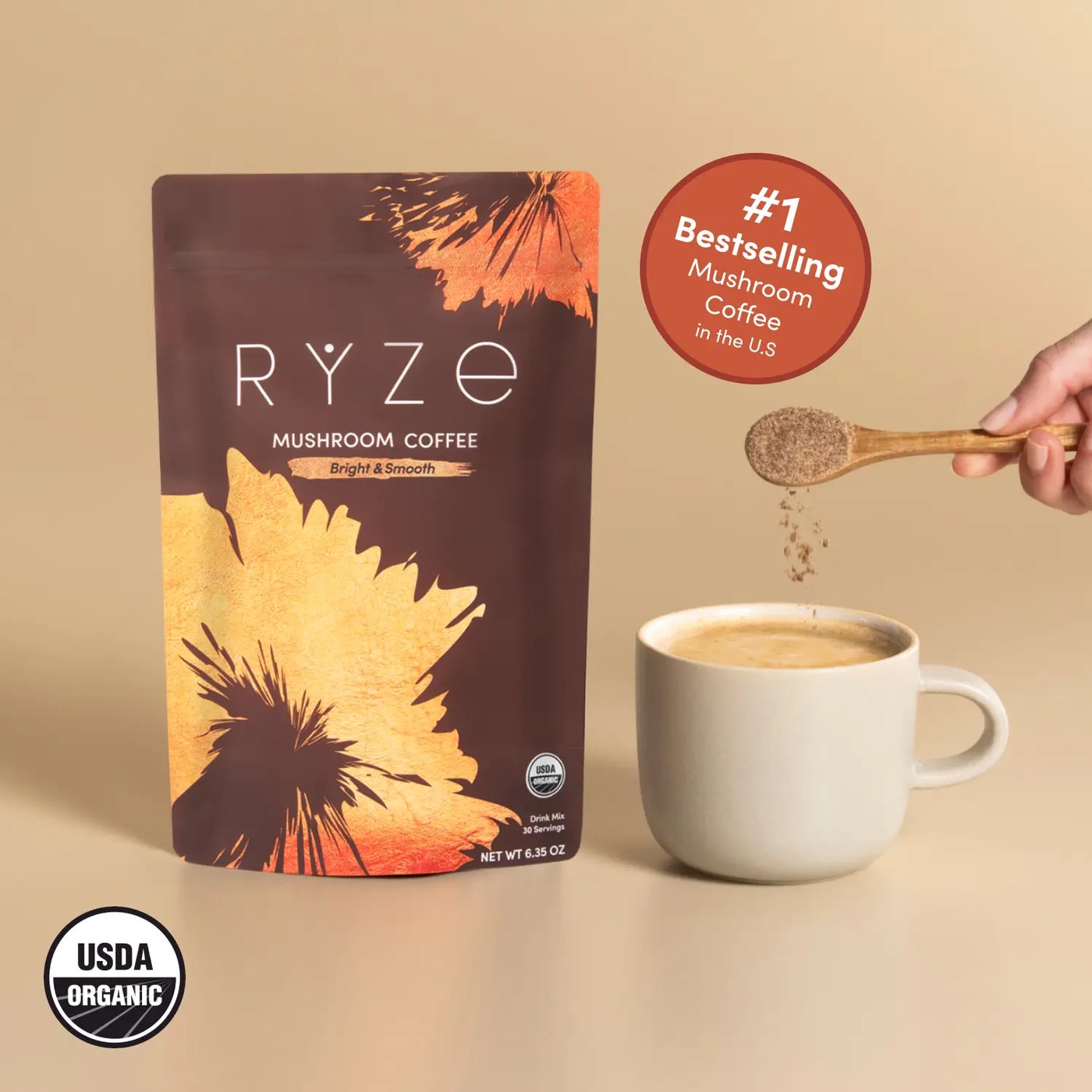
We keep the ritual and reject jitters, crash and gut issues as the cost of coffee. We prefer Cordyceps for energy over high caffeine, and we prefer one simple daily ritual over complicated wellness. A standard brewed cup often sits near 95mg or higher, so our medium roast at about 48mg is under half. That reduced number is intentional. It preserves the taste and habit people enjoy, in a calmer cup.
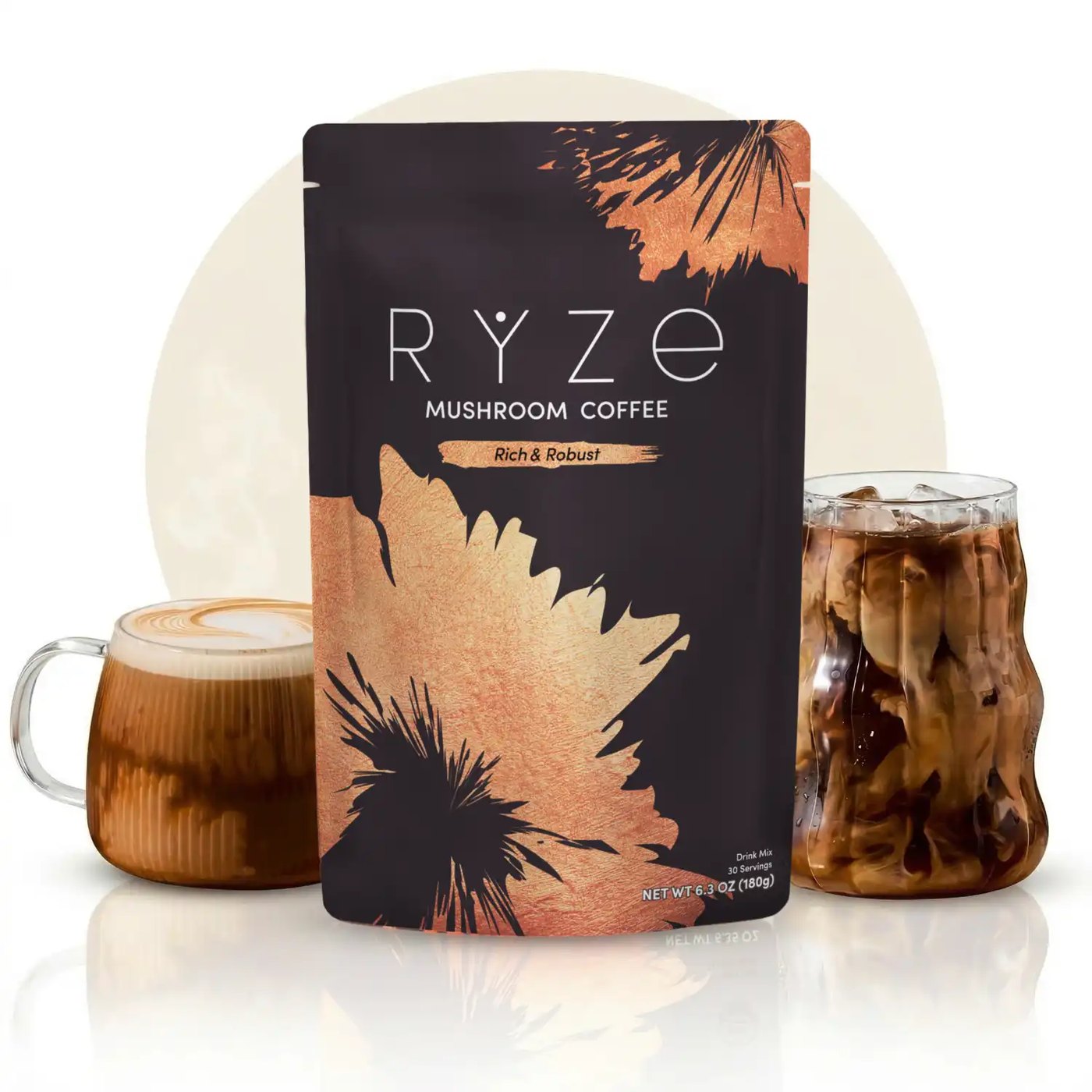
Our dark roast at 80 to 90mg per serving serves people seeking bolder coffee taste with Cordyceps and Reishi included. We print the range on the page because instant powder, scoop fill and brew strength may alter the final cup. Stir into 8 to 10 oz of hot water, froth to make foam, add nut milk or natural sweetener to taste. That remains the full routine. Feel a Little Better Every Day is not a slogan for us. It forms the test for whether the caffeine dose is correct.
You started online in March 2020 as two Harvard undergrad friends who had run on coffee through long days and late nights. What did those spikes and crashes feel like, and what made you say you needed better so you built it.
We did not plan to start a company, we only sought to feel better. At Harvard we depended heavily on coffee to get through long days and late nights, and with time it turned into a dependency. We felt depleted, anxious and unsettled after the spike, then flat once it faded. We saw the shortfall clearly so we formulated it.
After college I worked three years at Kraft Heinz, marketing some of the world’s most prominent coffee brands. I observed how coffee was sold, and I grew wary of the side effects and of promoting products that did not support a healthy lifestyle. So I left to craft a healthier coffee for myself with superfoods. Cordyceps was the first mushroom we found, and its effect on our energy and focus surprised us. From there we added five more mushrooms to our routine, and after I refined that blend, RYZE came into being.
A standard brewed cup is often near 95mg or more, so our medium roast at about 48mg is under half.
Andrée Werner and Rashad Hossain
You list shade grown organic arabica from Mexico that is roasted, brewed and spray dried to instant powder. Can you map that chain lot by lot from harvest to dried powder and report what changes at each point.
The input is shade grown organic arabica sourced from Mexico. Shade grown signifies plants raised under canopy, which delays ripening and influences flavor. Following harvest and processing at origin, the green coffee arrives with us for roasting. Roast establishes color and taste, medium for smooth, dark for bold. Next we brew it, comparable to a strong pot, and spray dry that brew into instant powder.
Spray drying converts liquid coffee into a dry powder that dissolves in hot water. No grinder and no filter are needed in your kitchen. Lot identity is central here. We traced harvest lot, roast lot, brew lot and dried powder lot. We maintain that sequence so we know which powder entered which finished batch. The powder is then combined with the mushroom ingredients plus MCT and fiber. That mixture is what you stir into 8 to 10 oz of hot water. Simple on your counter, yet every stage carries a place, a date and a weight behind it.
You raise certified organic mushrooms in California and Nevada, six kinds including Cordyceps, lions mane and reishi. What culture method do you use, fruiting body or myceliated grain, and what do your extract ratio and stated marker really claim.
We work with six mushrooms, Cordyceps, lion’s mane, reishi, turkey tail, shiitake and king trumpet, cultivated as certified organic in California and Nevada. Certified organic in this context describes cultivation and handling under US organic rules, with audits and input records. They are dried after harvest, then readied for blending with the coffee powder. Other ingredients come from the US.
On the label we present the mushroom blend as foods used for general wellness support rather than as medicine. What we can document today is origin state, organic certification, drying and blending records, and finished batch paperwork. What we have not released per lot is whether each mushroom is fruiting body only or contains myceliated substrate, nor the extract ratio or any standardized marker such as beta glucan percent. Those three specifics are what informed buyers use to contrast mushroom products. To provide it we would have to release the specification sheet for each mushroom ingredient and link it to the certificate of analysis for each finished lot.
Your core Medium Roast mixes coffee with a six mushroom blend plus MCT and fiber, while Dark Roast favors Cordyceps and Reishi for a bolder cup. After more than a year of tinkering and taste tests, how did the two recipes part ways.
Many late nights, countless tweaks and more taste tests than we can recall went into it. We invested everything in building our community and connecting with people who, like us, wanted something better for their minds, bodies and lives. After more than a year of tinkering, testing and taste tests we settled on six mushrooms plus premium organic coffee for the flagship.
The medium roast is the everyday cup, smooth and organic, about 48mg caffeine per cup, with the six mushroom blend and MCT for calm energy without the crash. The label lists organic instant dark roast with Cordyceps and Reishi at 80 to 90mg caffeine per serving for bolder coffee taste with mushroom blend. The method stays the same, stir into 8 to 10 oz of hot water, froth if foam is wanted. One offers breadth across six mushrooms, the other offers depth on two with stronger roast character. Both preserve a simple ritual.
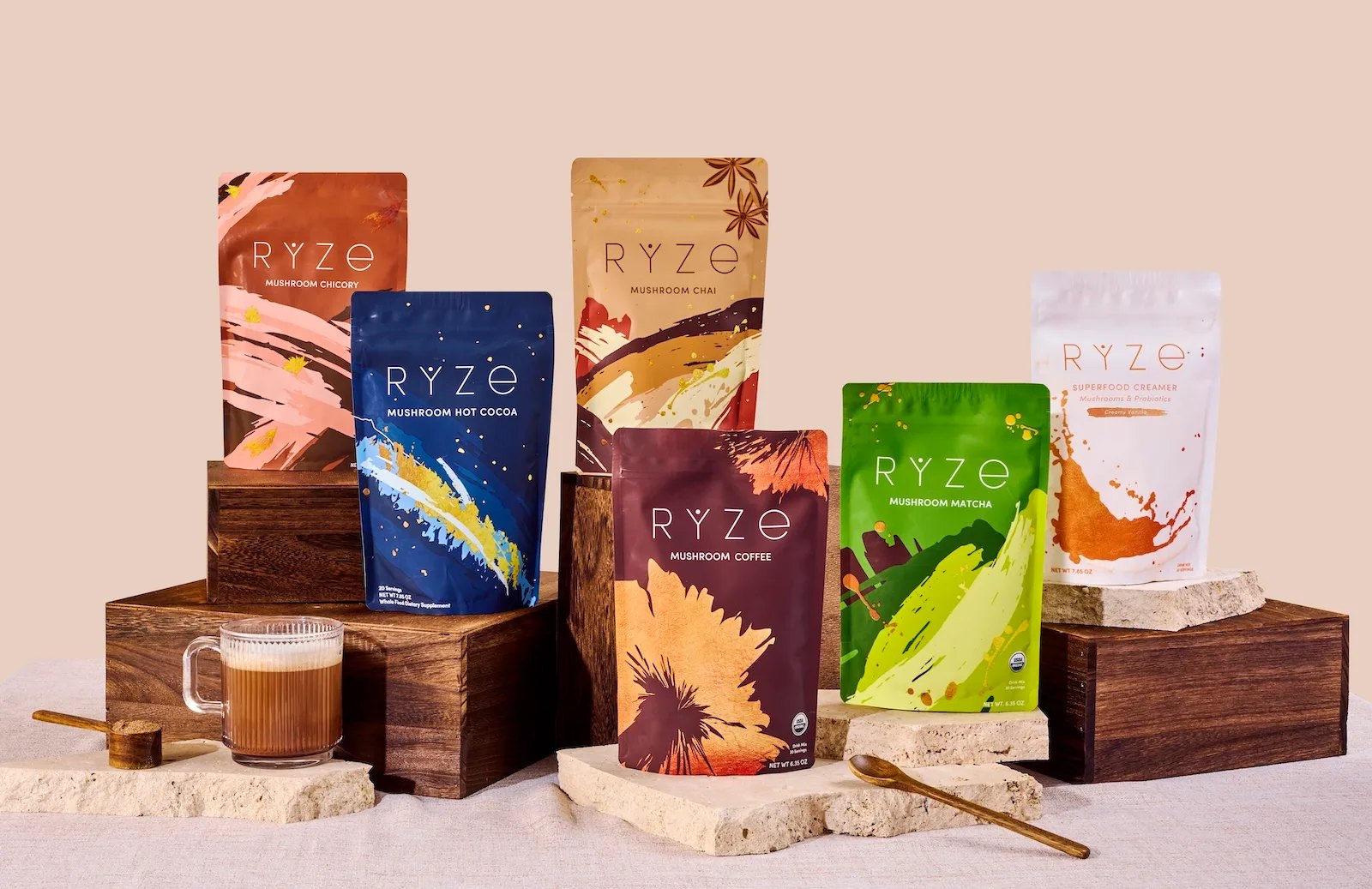
You cite 219,503 reviews at 4.8 out of 5 and more than 200,000 five star reviews, and you ship from Texas while sourcing in the US. How do you preserve lot identity from blending through to the box that leaves the warehouse.
We started online in March 2020 as a direct to consumer brand, and what began as a personal morning ritual became a daily routine for millions. We cultivate organic mushrooms in California and Nevada, obtain other ingredients in the US, and ship from Texas. That triangle functions only when paperwork accompanies the material.
In practice the flow is this. Every incoming ingredient carries a lot number and a certificate. Blending generates a new batch number that records which ingredient lots were used and at what weights. Fill weight is verified so each serving delivers the intended amount of coffee and mushroom blend. The finished batch number is printed on pack, and the Texas warehouse picks and ships against that number. Reviews indicate whether people reorder and how the cup tastes. The batch record indicates what that cup contains. We have found that truly no one will understand your business the way you do, and you will never know anything until you try, so we keep testing the system with each run.
You often say feel a little better every day and speak of a RYZE Revolution grounded in community. What does that community want you to prove next about provenance.
They ask where exactly this comes from, and how we know. They study the Supplement Facts panel and the other ingredients line. They request the farm, the harvest, the drying method, the extraction detail, the lab and the limit. We remain always more than happy to connect with other founders and share advice on building a brand via social media as well as growth hacks for e-commerce businesses, but our primary task is to respond to our own buyers.
So the next evidence is simple and public. Release the mushroom specification sheets, including plant part and extract ratio where used. Release a sample certificate of analysis showing heavy metals and mycotoxins with methods and limits. Add a lot lookup so any bag links to its report. Continue naming growers by state and coffee by country, then include harvest season when available. We prefer building community and genuine connections over selling coffee alone, and documentation forms part of that trust.
Closing note from the desk
The chain they do disclose holds up reasonably well for an instant blend. Coffee country, mushroom states, roast and spray dry stages, combination with MCT and fiber, screening for mycotoxins and heavy metals, pack and dispatch from Texas. That degree of sourcing detail exceeds many instant coffees and offers a careful buyer a place to begin assessment.
The missing pharmacology is equally defined. No farm names, no fruiting body status or extract ratio on the page, no public certificate of analysis per lot. RYZE aims to offer a comforting coffee ritual with calm energy and simple preparation. The trial that would settle it is a randomized comparison at 48mg against regular coffee, plus open specifications that allow dose to be judged.
Product spotlight
Mushroom Coffee sells at 45 dollars for 30 servings. The label lists organic instant medium roast with six mushroom blend plus MCT and fiber at about 48mg caffeine per cup. The label dose mixes into 8 to 10 oz of hot water, frothed for foam with nut milk or sweetener to taste. The brand frames it for a calm daily ritual.
Mushroom Coffee Dark Roast sells at 27 dollars for 30 servings. The label lists organic instant dark roast with Cordyceps and Reishi plus mushroom blend and MCT at 80 to 90mg caffeine per serving. Same preparation, stir into 8 to 10 oz of hot water. The brand frames it for a bolder cup with the same simple routine.

Hailey Carson
Hailey produces the Half Life interviews: the reading, the question lists, the follow-ups. She asks every founder for the study behind the claim and, more often than you would expect, gets the PDF the same afternoon.
More from Hailey Carson →