
A drink mix that lists zero sugar and high salt raises a pharmacology question before a taste question, namely how many milligrams per stick, in what salt form, and what supports the amount. Robb Wolf created LMNT after low carb whole food eating left him depleted. What follows traces the dose from kitchen scale to sealed box.
The packet tears, the powder hits water with a faint hiss, then the glass goes opaque before it clears. That small cloud is where Robb Wolf begins his account. He had eaten low carb whole food for years and felt held back. His coaches flagged sodium. He started blending his own drink because shelf products seemed loaded with sugar and short on electrolytes.
That cloudy glass turned into a firm co-founded with Tyler Cartwright and Luis Villaseñor. The rule stayed tight. High salt, zero sugar, no colors and no fillers, aimed at people who sweat and at people who eat low carb, keto, fasting or whole food diets. The brand motto stays More Salt, Not Less. The closing line is Stay Salty.
Half Life reads that stick the way a label deserves. A drink mix lacks a field in the usual sense. It has mineral inputs, flavor vendors, a blend and pack line, a lot plus a batch record, and a panel that states Supplement Facts. Wolf states the problem and the rule clearly. The stricter test concerns support. What sits in each lot, who assays it, and what stays unseen.
You remember home mixing as messy and slow after your coaches identified sodium as the missing element, which raises the question of dose. What was in that kitchen mix, and at what point did you decide it needed proper dosing outside the kitchen?
I will put it plainly, I had eaten low carb, whole food for years, yet progress had stalled. That remains the true account. My coaches supplied this crucial absent piece. It turned out I had to watch electrolytes as closely as meals. I required more salt. Full stop.
At home I measured and stirred and tasted and spilled. It stayed messy and slow and it seldom blended evenly. It formed lumps. It sank. It poured bright one morning and flat the next. Once I locked the formula I promptly sensed fitness, sleep, and cognition shift upward. That won my focus. We launched this firm to address a gap in hydration. We sought an electrolyte drink that truly supplied the sodium active people, low carb, keto, and carnivore followers need with none of the sugar, colors, and fillers in mainstream commercial drinks.
More Salt, Not Less sounds like marketing, but for us it is a dosing decision to be checked. Take us from raw materials to finished stick, with amounts and suppliers named. Where is that sodium sourced, where is it blended, and what does one lot record actually list?
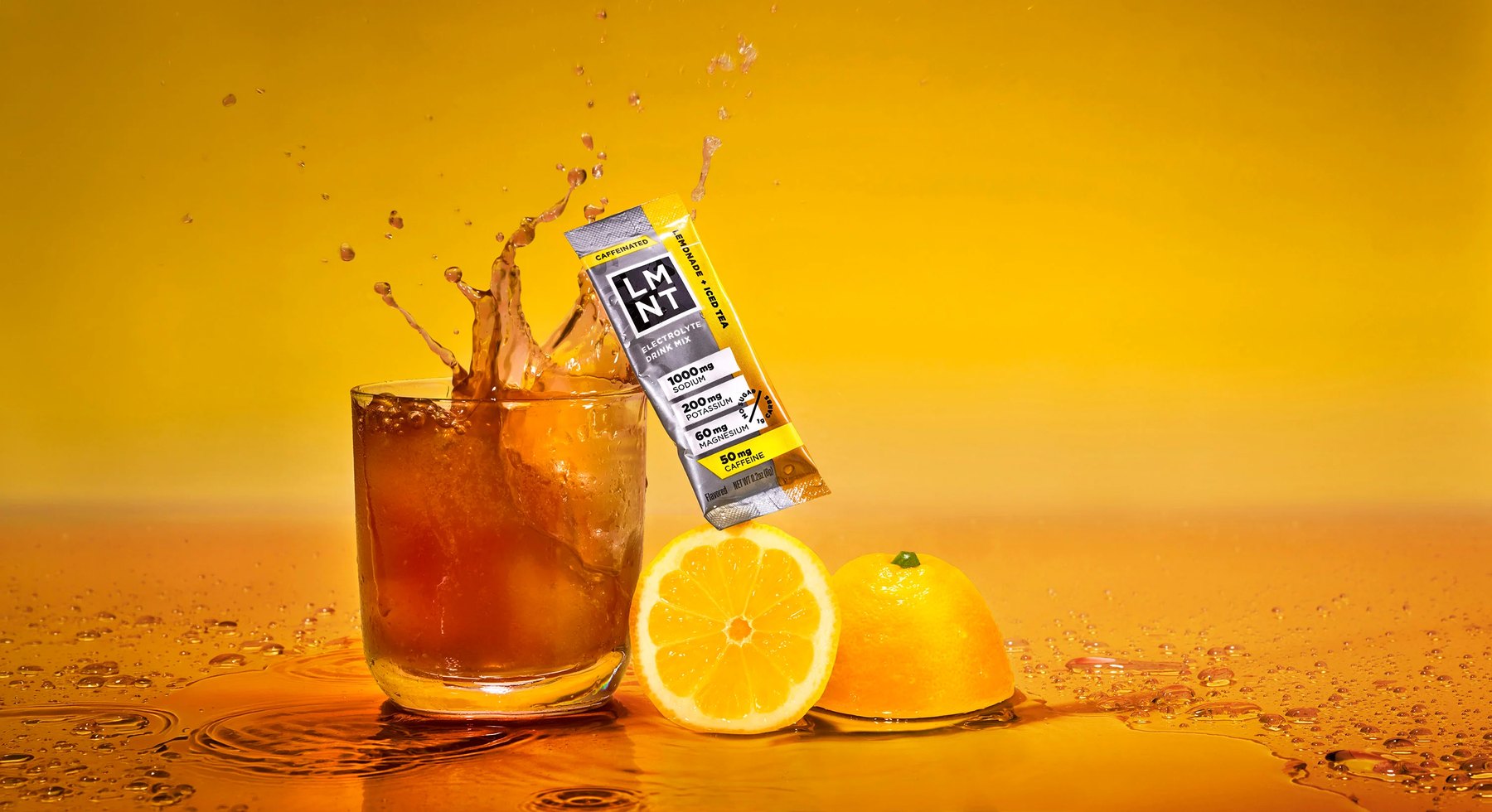
More Salt, Not Less describes the formula. We begin with sodium chloride plus potassium and magnesium salts, add flavor, then add a zero sugar sweet system. Those minerals derive from mined or evaporated deposits, not from a plot with a harvest date you could tour. The flavor portion differs. For our Lemonade Iced Tea we cite organic black tea gathered from century old farms in Kenya. That input carries an origin.
Contract sites handle blending and packing. Drink mix sticks and sparkling cans aim to supply high sodium with no sugar. Every run ought to carry a lot code, a fill weight audit, a seal audit and a certificate of analysis from ingredient suppliers and from finished assays. If electrolytes merit the same care as meals, then records merit the same care as flavor. The lot file reflects that, line by line and pallet by pallet.
You connect your interest in ancestral eating to a life threatening bout of ulcerative colitis. How does that history affect the way you now parse labels for dose and form?
I entered ancestral eating to manage a life threatening bout of ulcerative colitis. After such sickness, you inspect all things. You start asking what a product holds and what it omits. You discover that minor daily inputs accumulate.
That explains why our exclusions count for me. No sugar. No colors and fillers. No underdosed electrolytes. It reflects clarity rather than rigidity. It concerns understanding each serving and its rationale. I maintain a compact shelf. I prefer a small set I rely on and keep for years. I favor an Other Ingredients line that stays brief and legible. When I cannot justify an ingredient, I exclude it from my pantry and from our box.
Your view is that popular drinks carry too much sugar and far too few real electrolytes to matter. What levels were you targeting, and why did zero sugar become a rule about dose rather than taste?
They carry excess sugar and contain far too few actual electrolytes. That shelf gap drove me. I desired a product usable during fasting or low carb whole food eating with no sugar burden. So we set one rule early. High salt and zero sugar. Clean electrolytes with no colors and fillers.
Hydration means water plus electrolytes. That remains my definition. Electrolytes govern each biological process, so they matter from conception to death. At too small a dose, the bottle holds only flavored water. I prefer generous salt over scant salt. I still favor zero sugar over sugar. To me, health works as a process. Keep health under your control. That required a blend with all you need and none you do not, a blend fit for workout sessions and for calm office days when meals stay plain.
LMNT cites on its home page a JAMA 2011 study on sodium and potassium excretion and cardiovascular risk. What did that paper measure, and what should buyers avoid inferring about their own intake?
I serve as no physician and a home page offers no consult. We reference that paper since sodium advice needs discussion and evidence. The research measured urinary sodium and potassium excretion and cardiovascular risk across a broad cohort. It underlies our challenge to reduced salt for all and our counsel of more salt, not less, for active and low carb people who shed extra sodium.
My caution is to interpret with care. An excretion study at population scale never prescribes your next serving. It never fixes your dose. It never substitutes for labs or a clinician familiar with your background. Our task involves reporting panel values and our rule. Your task involves keeping health under your control, which to me calls for logging intake, logging sweat, and consulting a qualified professional before major shifts.
If the dose is too low, in our view you are merely drinking flavored water.
Robb Wolf
In 2024 you appeared on a live stream to discuss maltodextrin in LMNT. For a buyer who studies the Other Ingredients line, what was the concern and what did you alter or explain?
That broadcast concerned confidence. A viewer noticed maltodextrin and questioned its presence inside a zero sugar formula. I respect the inquiry since I pose it too. When we promise zero sugar and no fillers, shoppers expect wording and panel to align.
Here is my view. Zero sugar on a panel carries a regulatory sense linked to sugars, not to each trace carbohydrate carrier inside flavors. Yet shoppers do not inhabit regulations. They inhabit kitchens. They scan the line and expect plain language. So we explained where carriers may enter flavor systems, why quantity counts, and how we sought to maintain the formula tidy in the ordinary sense of brief and explicable. Stay Salty holds only when holders trust the sachet they open.
Sparkling 16oz cans sold in cases of 3 x 12 packs carry the same formula idea past sticks. What shifts in sourcing and testing occur when you move from powder to carbonated cans?
A stick holds a dry mix. A can holds water plus minerals plus flavor plus carbonation, closed under pressure. The water origin weighs heavier. Dissolved solids in source water may alter taste and steadiness. Carbonation alters texture, thus salt sensing shifts. Flavor needs rebalancing with no added sugar.
Across the factory, controls shift. Fill volume, seam soundness, carbonation amount, microbial screens for a liquid good, plus stability across storage. Encapsulation gives way to canning. Fill weight gives way to fill volume. Certificates of analysis still apply, yet now they span water quality and sealed cans alongside inbound salts. That explains our focus on taste. When salt overwhelms, drinkers avoid it. When it drinks smoothly, they maintain use.
Traceability sits at the center of this magazine and its view of absorption and proof. Which steps can you identify today, from grower to lab, and which steps remain unclear. What evidence would be needed to make those hidden steps visible?
I can identify the rule and the user. I can identify the exclusions. I can cite the Kenya tea input for one flavor since that vendor account names century old farms. I can cite lot codes plus vendor documents plus finished assays as backing per box. That defines traceable for me. Name the grower when a grower exists. Present the file when no acreage exists.
What stays opaque. Mineral mines rotate. Flavor firms combine several origins. Contract plants serve several labels. Greater disclosure would require origin notes for every salt lot, extract ratios or standardisation when botanicals appear, the laboratory identity and procedure per assay, and heavy metal thresholds as direct figures. That demands funds and duration. It also demands vendors open to naming. I prefer calling this lot paper backed over terms such as pure or natural lacking a record.
Closing note from the desk
What remains after this exchange is a founder holding a narrow rule and salty diction. Wolf circles the same boundaries because they create limits. High salt. Zero sugar. No colors. No fillers. No small doses. Such limits print easily and prove hard to sustain across flavor vendors, salt lots and two distinct pack types.
LMNT aimed to restore health through hydration, to use its phrase. Stated directly, it aimed to market a sugary free high sodium drink for sweaty people and for low carb eaters. Certain links reach a named Kenyan farm. Most links reach files kept by vendors and packers. The next proof move is lot by lot release, letting a diligent shopper inspect source, assay and limit.
Product spotlight
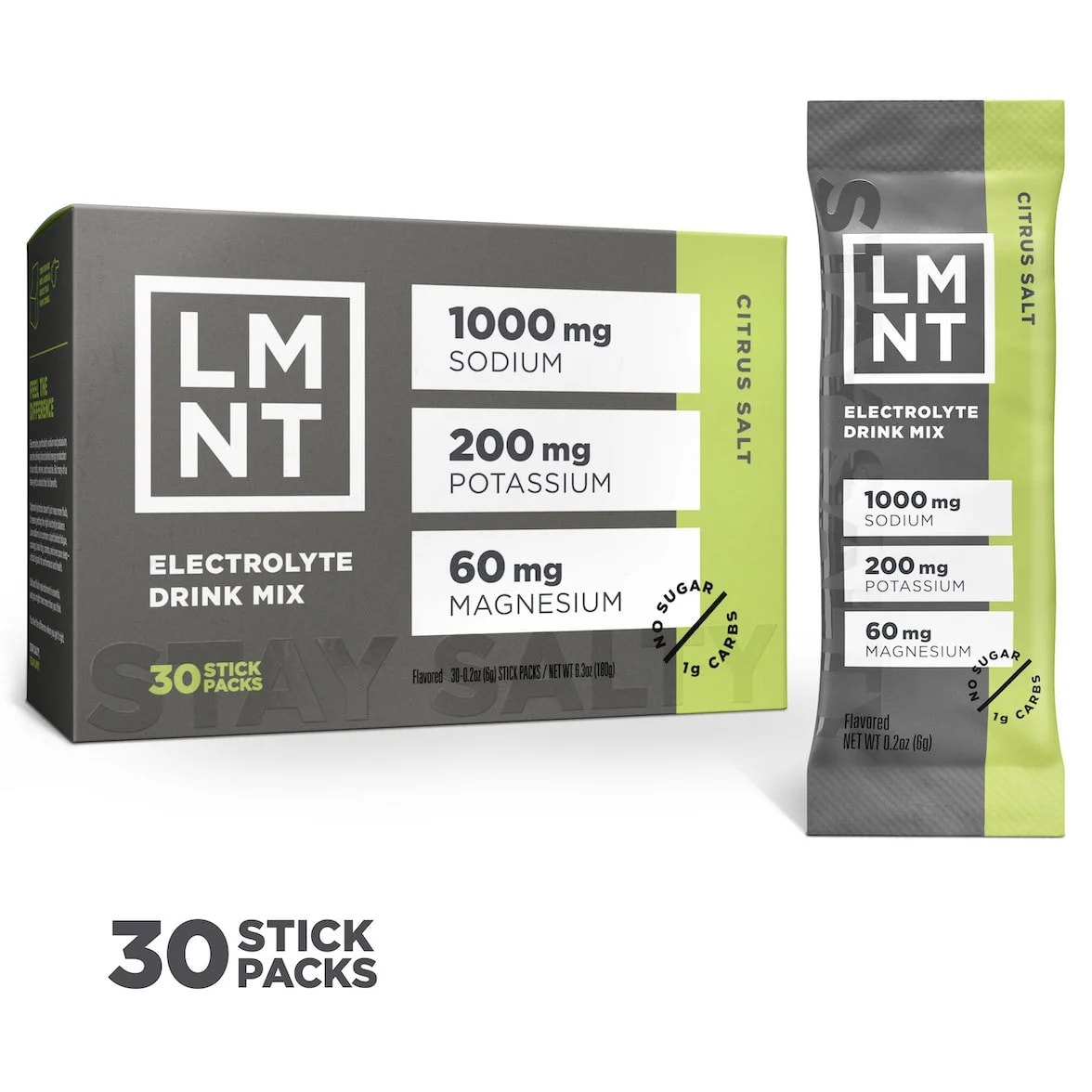
LMNT Zero-Sugar Electrolytes, 45 dollars. A palatable electrolyte drink mix with all you need and none you do not, centered on high salt and zero sugar. Blend one stick into 16 to 32 ounces of water to taste. Take around workouts, sweat loss or fasting periods per label directions.
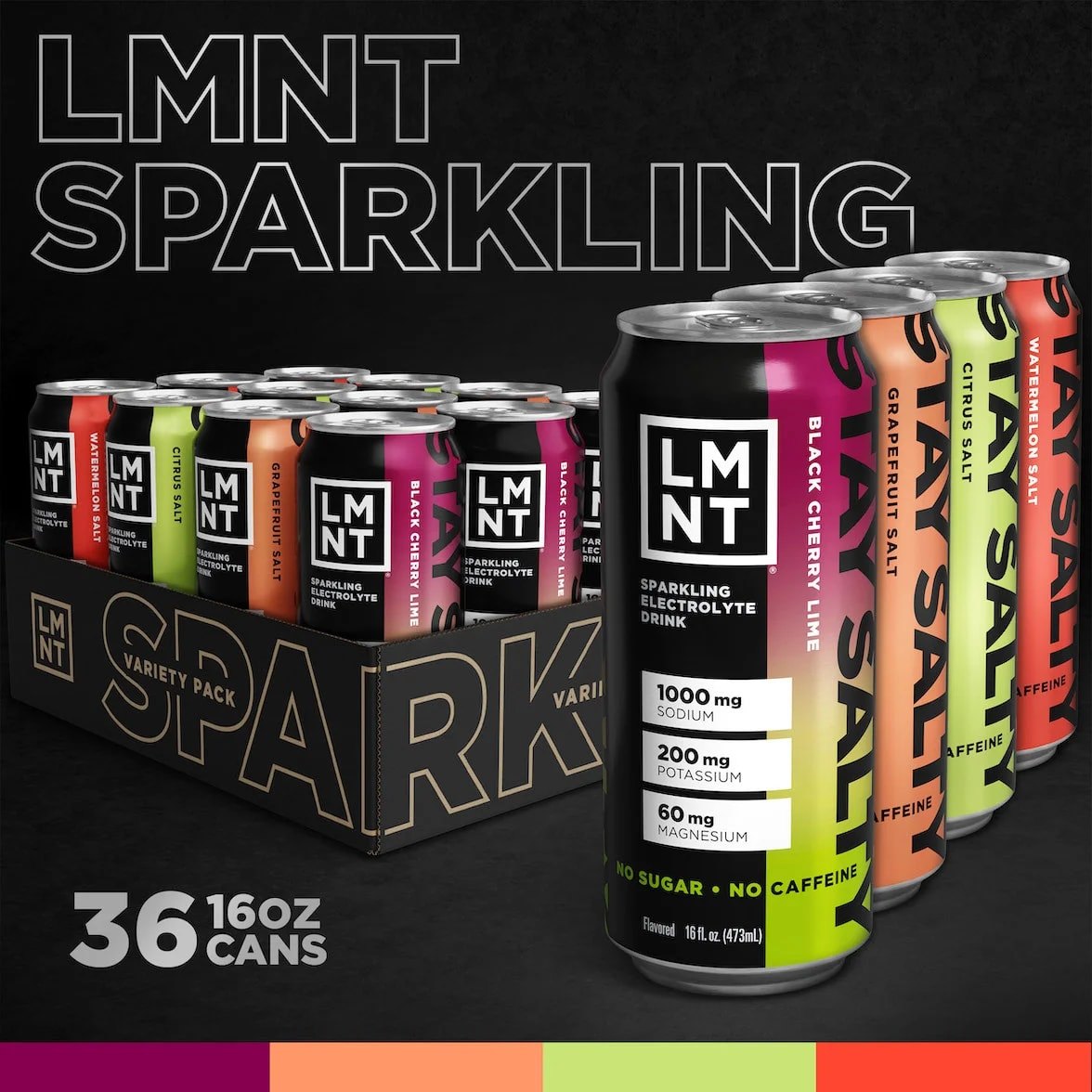
LMNT Sparkling 16oz, 90 dollars. More Salt, Not Less as sparkling, packed in cases of 3 x 12 cans. A ready to drink take on the salty hydration range for shoppers favoring cans over sticks. Chill before serving and review the facts panel for sodium per can and serving size.

Hailey Carson
Hailey produces the Half Life interviews: the reading, the question lists, the follow-ups. She asks every founder for the study behind the claim and, more often than you would expect, gets the PDF the same afternoon.
More from Hailey Carson →