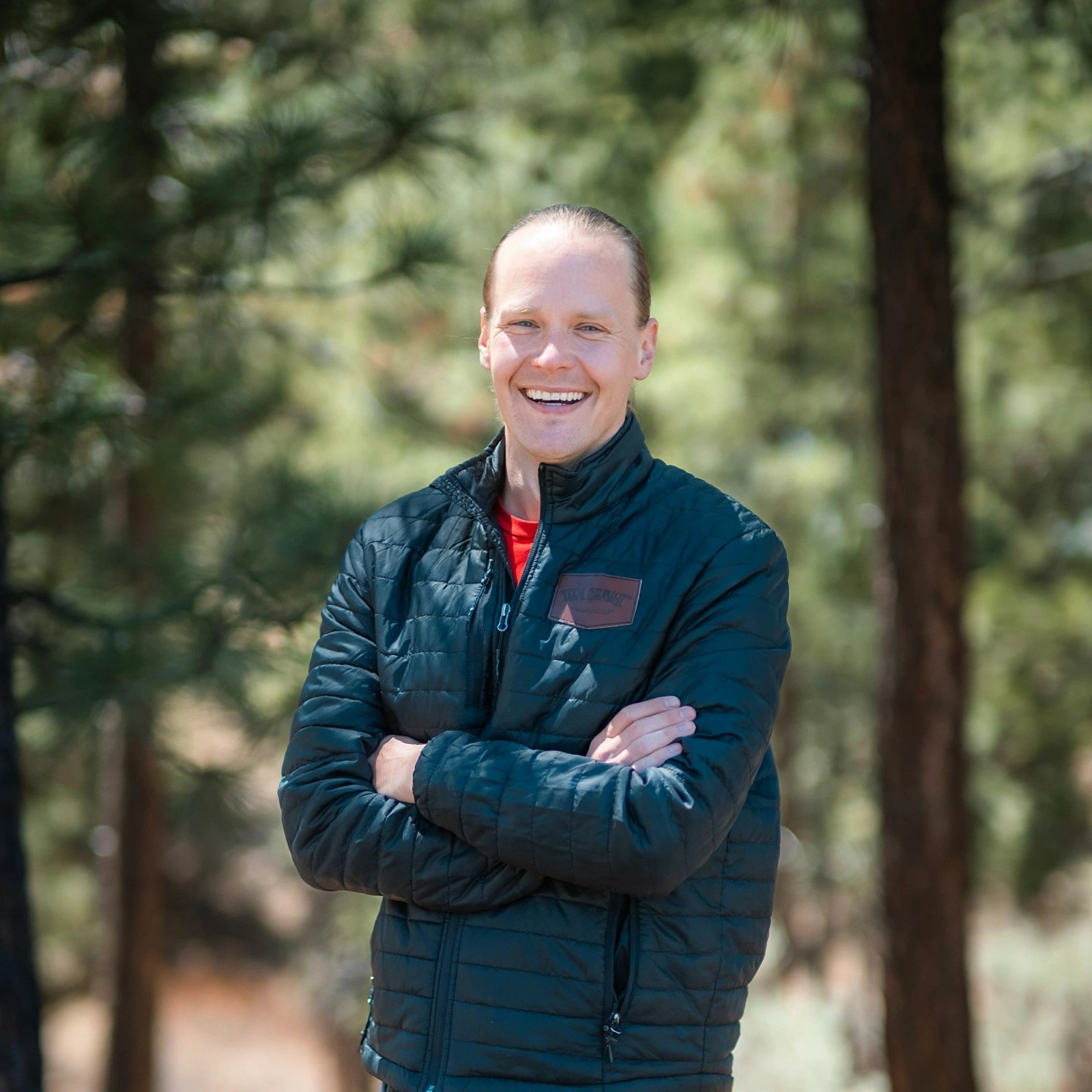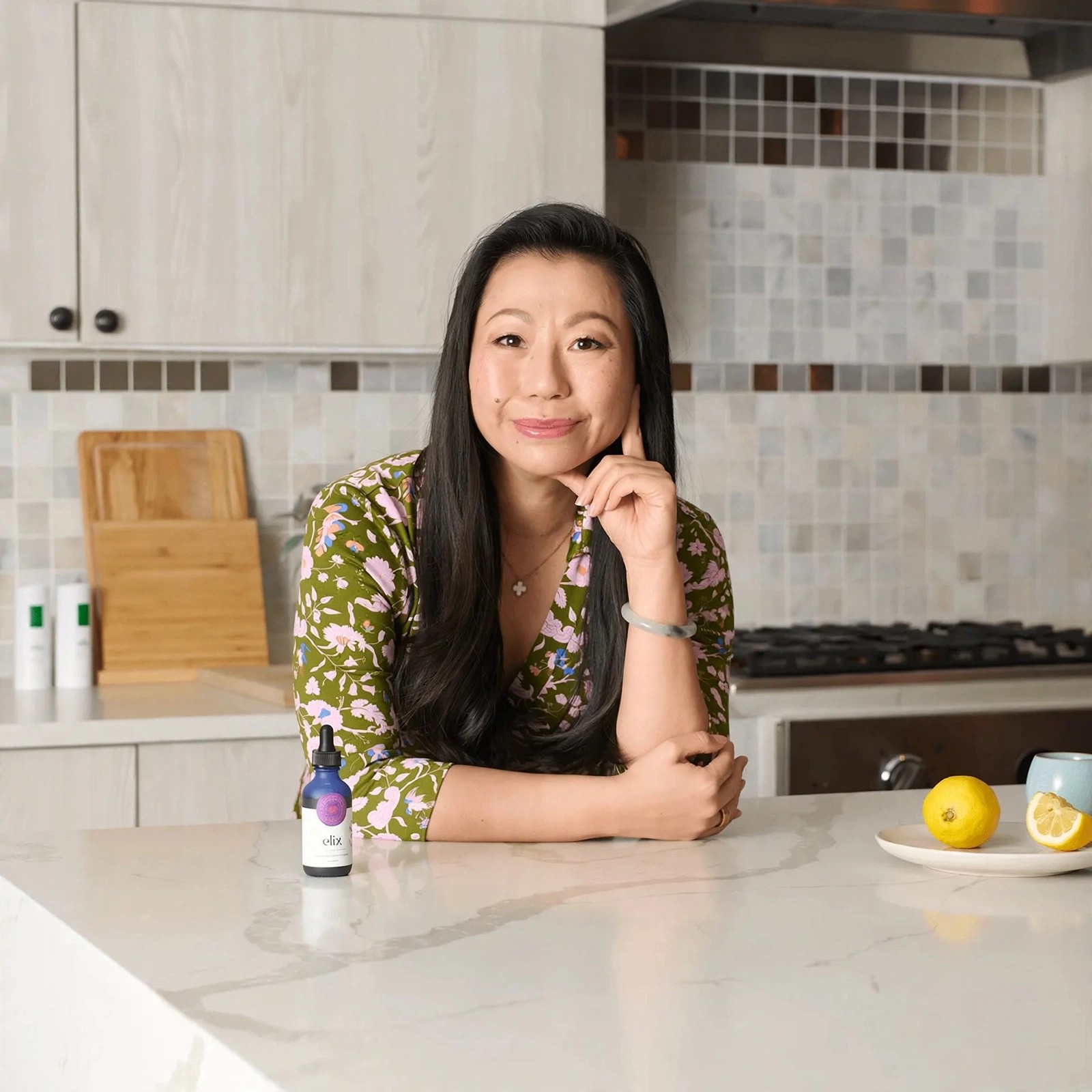
“I learned that more stimulation is not more output.” That sentence carries the whole pharmacology question. If the problem was seven cups and a racing heart, the fix has to be measured in milligrams, forms and time curves, not adjectives. We asked what is in the bottle, how much, and what trials sit behind it.
In 2017 Tilt sold to Airbnb and its founder stopped treating coffee as fuel and started treating it as a drug to be studied. {.dropcap} He had been drinking seven cups daily. That pattern ended after his heart rate stayed above 170 beats per minute for three weeks and he visited the ER. For someone used to shipping software quickly, the pause was abrupt.
What followed was slow bench work. Beshara spent two years mixing small combinations before Magic Mind became a company. He recounts three distinct launches, each more complete than the prior one, plus nine early months managing stock and cash without clear reports until he hired finance help. The outcome is a direct to consumer shot for mental performance sold internationally.
What Half Life hears in that story is dose and exposure, not narrative. The brand describes nootropics, adaptogens, vitamins and functional mushrooms inside a proprietary blend. It describes ingredients with clinical support and even energy across the day. It says little about milligrams per ingredient, chemical form, absorption, peak levels or how the finished dose compares with doses used in randomized trials. That gap is where we stayed. We asked Beshara to name forms, amounts, trial doses and what the label still hides.
His heart stayed above 170 beats per minute for three weeks after seven cups a day, then came an ER visit. How did that change his view of stimulation versus output, and what did he study first.
I took away that extra stimulation does not equal extra work. I was leading Tilt, fueled by coffee, and I framed tiredness as weak resolve. Then my pulse would not come down. Spending three weeks over 170 beats per minute rewires ideas about energy. The ER trip pushed me toward another framing. Not how to drive harder, but how to hold attention without a sharp rise and fall.
So I began reading on coffee, caffeine and productive work. I explored plant based options. I spoke with people who treated focus and calm as a single circuit. I never planned to found a drink brand. I planned to repair my mornings. I gave two years to bench testing of small ingredient mixes, aiming to retain the alertness I valued in coffee while dropping jitter. That period of testing is the true start. No brand, no packaging, only trials of what a steadier morning might feel like.
He applied a software habit of ship, learn and fix, then judged readiness by unprompted reorders. What separated launch one from two and three, and when did subscriptions signal scale.
A first or second release need not reach 60 percent repeat purchase, but a full commitment release must. That rule stayed with me. At first I thought like software. Release, learn, repair. Launch one was crude. Flavor was tougher. Supply was brittle. Launch two improved yet still did not earn reorders on its own.
The shift came from rigor on formula and operations. We refined the blend. We refined stock planning. I passed the first nine months almost blind on finance and inventory cash flow before I retained a capable finance consultant and advisor, and that altered the course. By launch three we owned something complete enough to defend. Like Airbnb, Magic Mind went through three separate launches, each iteration more fleshed out. When shoppers subscribed without a discount nudge, I understood the product could scale.
On the store now the focus is Original and MAXX for flow states and productivity, with some green tea caffeine plus L theanine and many buyers still using coffee. In plain pharmacology terms, what sits inside that two to three ounce bottle and how is it meant to fit a morning.
In plain terms, it is a daily small shot that mixes nootropics, adaptogens, vitamins and, in MAXX, functional mushrooms. Our wording for it is mental performance shots, flow states and productivity, plus ingredients with clinical support. The declared goal is focus, energy and calm without jitters or crashes, and even energy through the day.
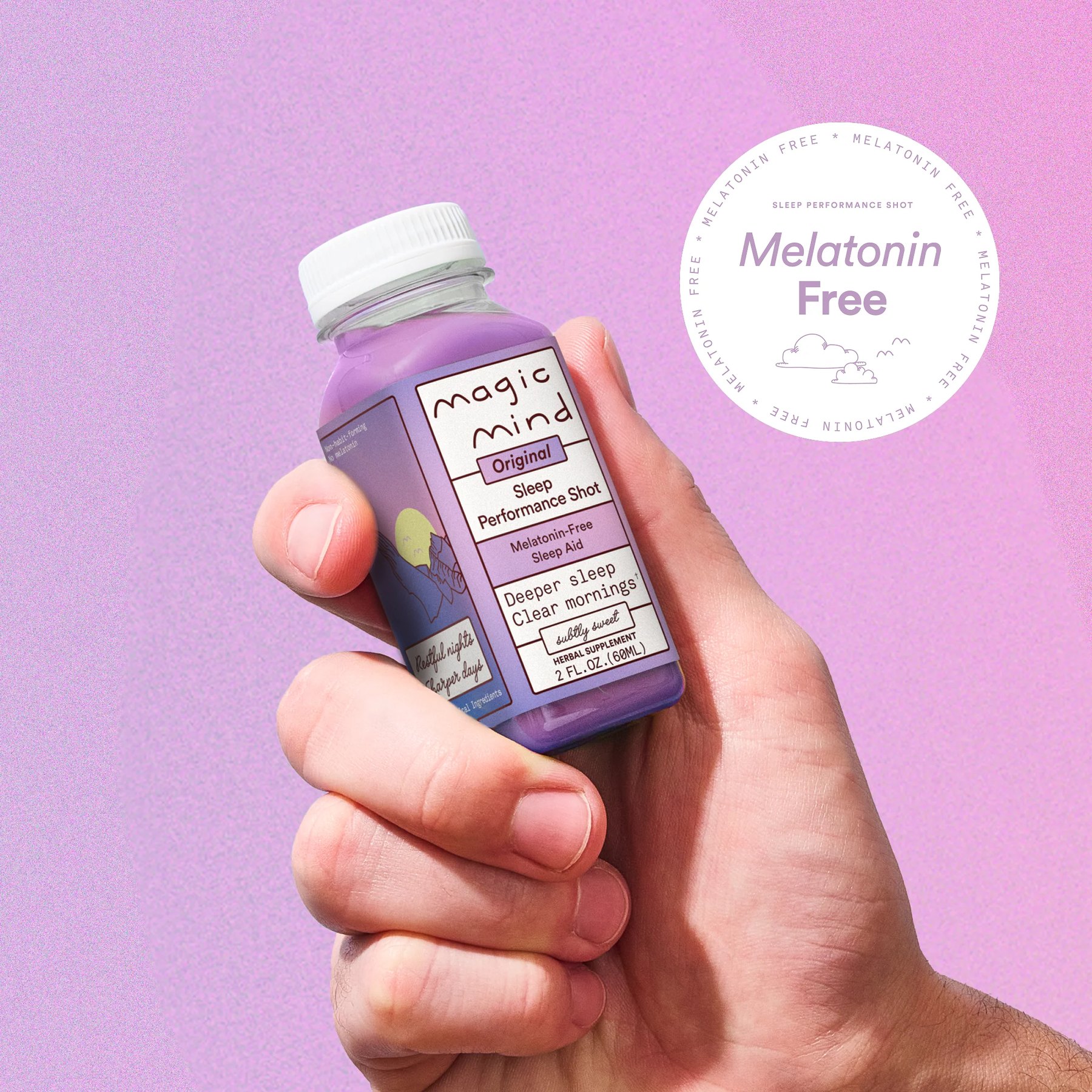
The coffee fit is deliberate. Original includes modest caffeine from green tea, balanced with L theanine and companion inputs. Plenty of users keep coffee, but cut the volume, or push it later. That pairing may help smooth the caffeine curve for some users, though the label does not give a time course. We also sell a caffeine free version named Magic Mind FREE for afternoons or for caffeine avoiders. The volume is two to three ounces. You take it in the morning, often with your first cup or in place of it I still enjoy coffee. I simply do not let seven cups steer the day. The claim to test is whether a lower caffeine dose plus theanine and adaptogens holds attention with less peak and trough than coffee alone.
Traceability still runs through brokers and contract makers, which is common but thin. Can he name farms and countries for green tea, ashwagandha, bacopa and mushrooms, and map harvest to extract.
I cannot hand over a tidy chart naming each farm. The candid reply is that much of the chain passes via brokers and contract makers, typical for a small drink maker yet still hard to audit. We rely on vendors who obtain botanicals such as green tea, ashwagandha, bacopa and mushrooms across regions as season and lot dictate. Material comes in dried, then moves to powder or liquid concentrate through extraction before blending.
The stage we steer best is final formula plus final testing. The stage I aim to open is the farm stage. Precise lot origin, harvest timing, extract ratio, standardization to a marker. A buyer cannot read that on our pack today. Showing it would mean printing lot level source plus a certificate of analysis for each major input, beyond the finished shot. That remains a goal. It needs vendor terms and altered purchasing.
That lack of farm data frustrates label readers. When botanical powder enters a liquid shot, which solvents and methods shape the extract, and what residue or fill records should a buyer request.
Methods vary by plant. Certain inputs take water only, others take ethanol plus water, mushrooms often take hot water before drying. Chemistry follows method. Water recovers one set of constituents. Alcohol recovers another. Heat plus duration shift yield. Vendors select per ingredient, after which we mix those inputs as a liquid shot rather than a dry capsule, so fill means volume plus solids per bottle.
A careful buyer should inspect three things. First, Supplement Facts plus Other Ingredients for quantities and carriers. Second, whether a proprietary blend gives total weight while withholding single ingredient milligrams, which the rules permit but which keeps dose obscure. Third, sheets for solvents, microbes and heavy metals. Where a firm cannot furnish a lot matched certificate with limits and findings, read words such as pure as copy. I prefer to state test coverage rather than ask for faith in a word.
I spent two years testing small ingredient blends, trying to keep the alertness I liked from coffee and lose the jitters.
James Beshara
Clinically backed on pack means single ingredients studied in humans at a stated dose, not a finished drug trial. What lot by lot assays for identity, metals, microbes and caffeine back that wording.
Clinically backed, in our use, signals that separate ingredients were tested in published human work at some dose, not that the completed shot cleared a drug study. The line matters. Supplements fall under food law, not drug law. We describe intent, focus, energy and calm, plus label facts. We make no disease treatment claim.
For control, each bottling passes routine food safety screens at our contract site, with micro screens, while vendors supply identity and contaminant specs. We add finished checks for batch consistency. What we still do not post is the full lot file a Half Life reader expects: identity method, heavy metal findings against limits for lead, cadmium, arsenic and mercury, micro findings, plus caffeine assay. Despite a decade of progress in eComm, the subscription side still has many issues left to resolve. Luckily, Skio is taking on this space directly. Supply clarity needs similar tooling. It is still maturing.
From a four million dollar run rate with one full time staffer to reports of a 100 million dollar brand with ten, how did a perishable multi botanical liquid hold spec without drift.
Through lean staff and few tight vendors. I have been investing for 10 years, and each investment has given me a fresh chance to refine my approach. I operated Magic Mind with the same logic. Small team, defined duties, external specialists for finance and operations, plus a contract bottler able to fill repeatably.
Drift is the hazard in a mixed liquid. One extract lot shifts, flavor moves, caffeine slips several milligrams, solids drop. We fixed targets for Brix, pH, fill volume and sensory review, and we carried buffer stock of slow inputs. We also rebuilt cash planning around stock, since a shot locks funds in glass, raw inputs and storage. Scale made our specs stricter, not softer. A lot outside spec never shipped. That stance gets simpler with ten staff than with two, because at last one person guards documents full time.
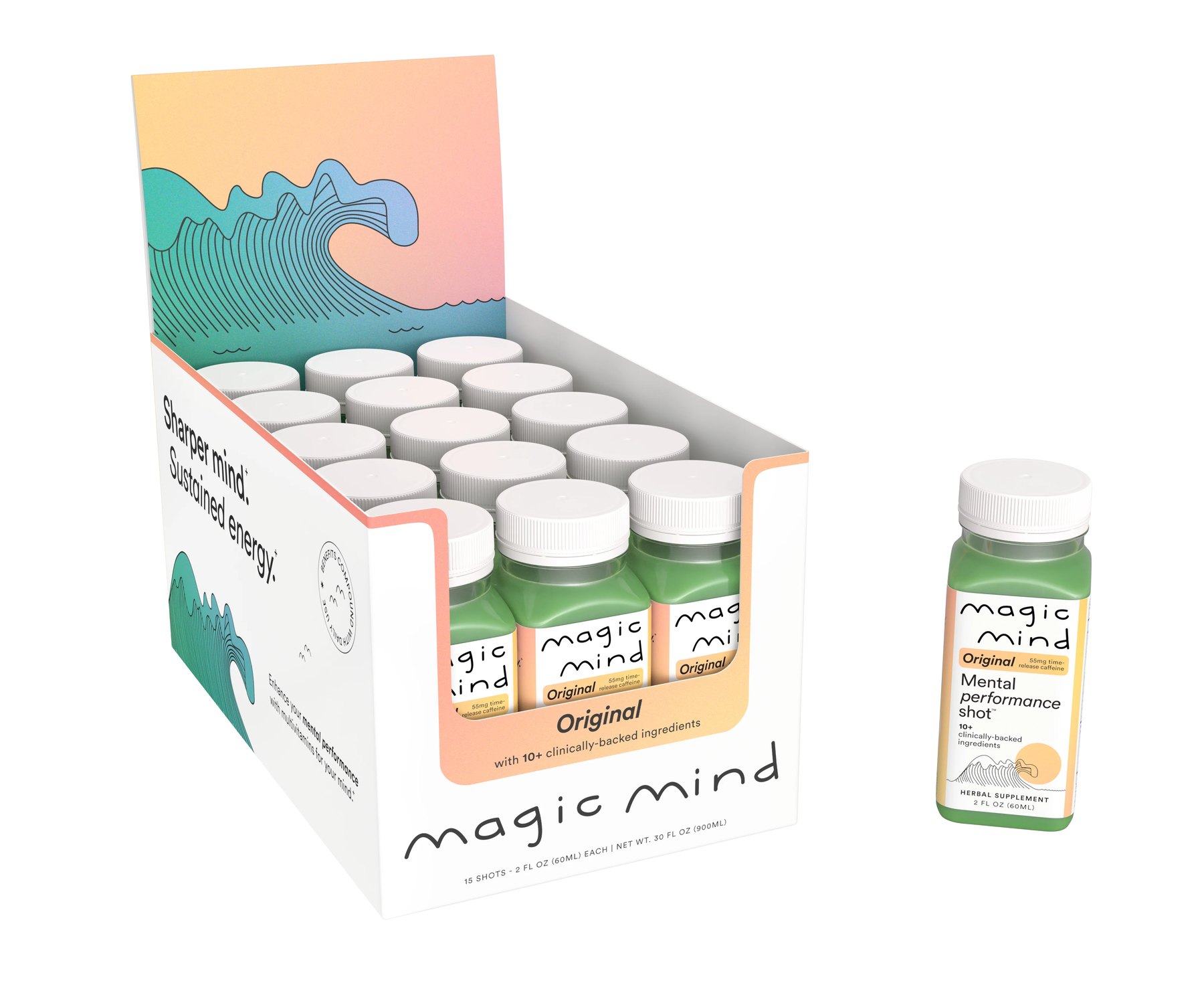
Bacopa and ashwagandha taste bitter, mushroom extracts taste earthy, vitamins add off notes. What sourcing or process tweaks made Original palatable daily, and what dose clarity does MAXX still lack.
Flavor was the toughest early barrier. Botanicals such as bacopa and ashwagandha run bitter. Mushroom extracts run earthy. Vitamins bring their own edge. Early builds worked yet were hard to enjoy. We reset sweetener ratios, acid ratios and masking flavors without chasing candy. We also reset grind size and addition sequence so each bottle in a lot pours alike from start to finish.
MAXX raised the load. Extra actives in equal small volume create more interaction. My open item is dose openness. A proprietary blend simplifies the pack, but it keeps a numbers reader unsure how much bacopa or lion’s mane each shot holds. The path forward is either to split out more milligrams or to print target ranges by lot. We still word that promise as stable energy through the day I want batch records to justify that wording, lot by lot.
For a household that keeps one shelf for years, what label lines matter before subscribing, and what three steps would allow farm, extract and lab data by lot.
Start with Supplement Facts, then Other Ingredients, then the caffeine statement. Confirm serving size, servings per pack, total caffeine, and whether the pack is Original, MAXX or FREE. Where caffeine sensitivity exists, pick FREE or take it early. Where a partner or parent shares the supply, review allergen and sweetener lines jointly. Save lot code plus best by date until the case ends. That pair allows any query to be answered.
More openness needs three moves. First, vendor terms that mandate origin, harvest date, extraction approach and extract ratio per major input. Second, an independent lab plan that assays identity, caffeine, heavy metals and microbes each lot and posts summaries by lot code. Third, a pack revision that splits out milligrams where feasible without disclosing the full build. To put it bluntly, getting someone to subscribe to a high quality product takes a fraction of the effort of selling an average or mediocre product repeatedly. Open chains belong to quality. We have not arrived, but that is the shelf we aim to earn.
Closing note from the desk
What lingers is the willingness to state dose limits plainly. Beshara can cite the habit that prompted study, the two years of mixing, the three launches and nine months without finance clarity. He cannot yet list each grower by lot or each milligram inside the blend, and he admits it. That candor earns credit in a field fond of vague blends.
Magic Mind sought a lower caffeine morning with steadier attention than seven cups. The remaining task is numeric. Release forms, milligrams, trial doses for context, plus lot assays with limits. Until then, read the pack as written: a proprietary botanical blend with a defined caffeine direction and a founder open to milligram questions.
Product spotlight
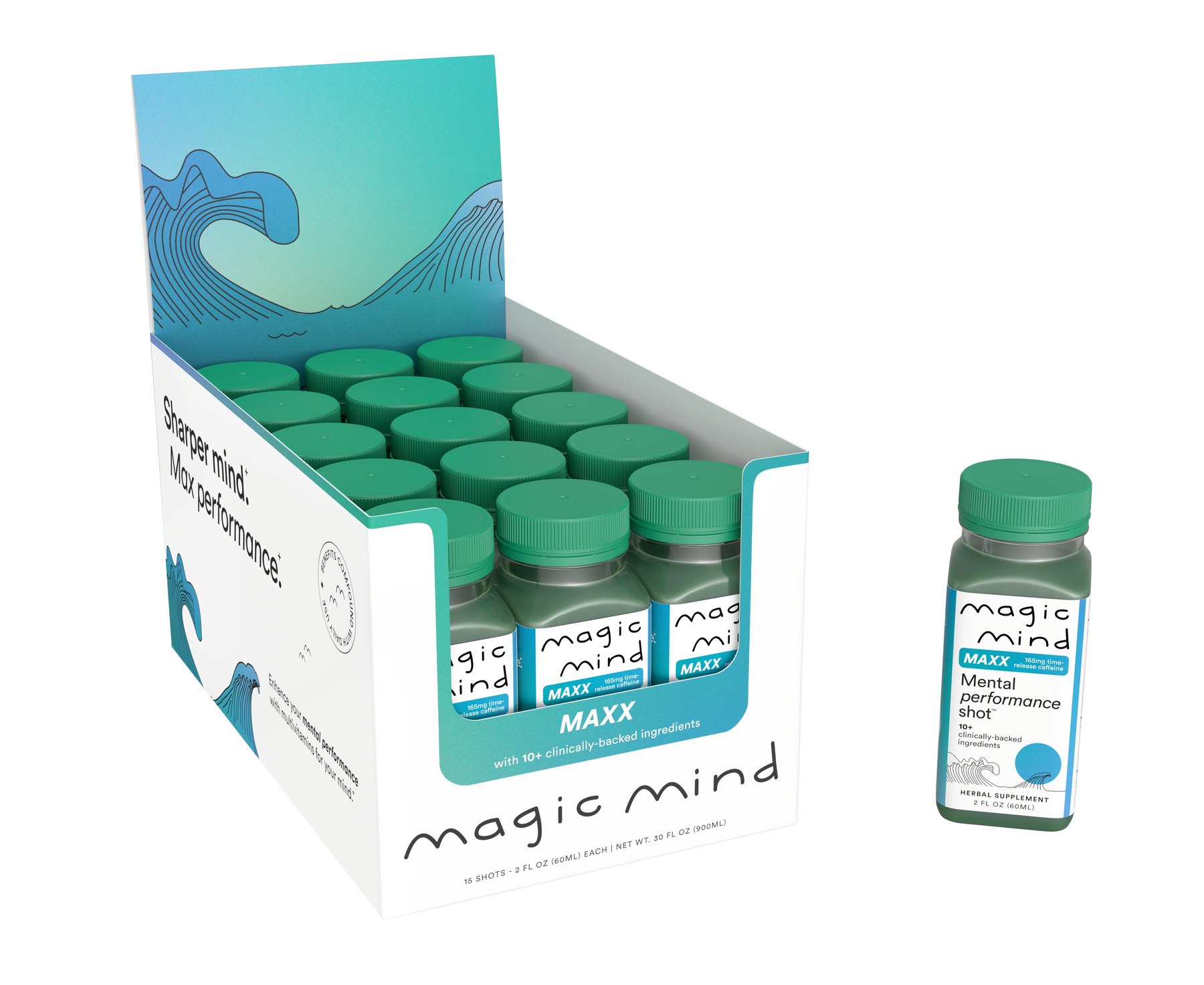
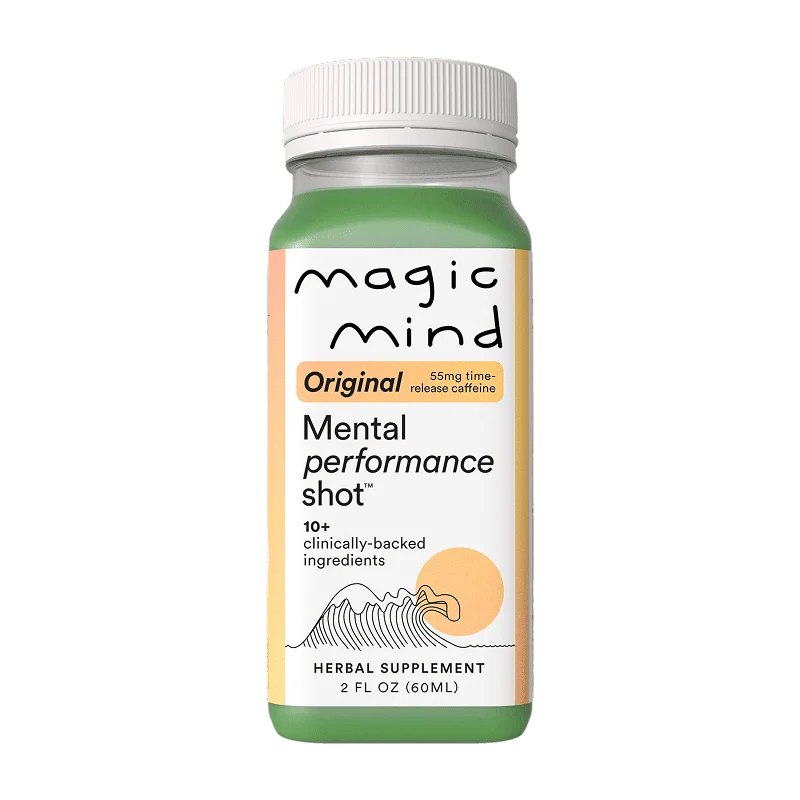
Magic Mind Original is a two ounce morning shot sold as 15 bottles for 74.25 dollars Pack notes a proprietary mix of nootropics, adaptogens, vitamins and green tea caffeine. The company frames it as support for focus and even energy. Take one chilled shaken bottle in the morning, with coffee or instead of a first cup.
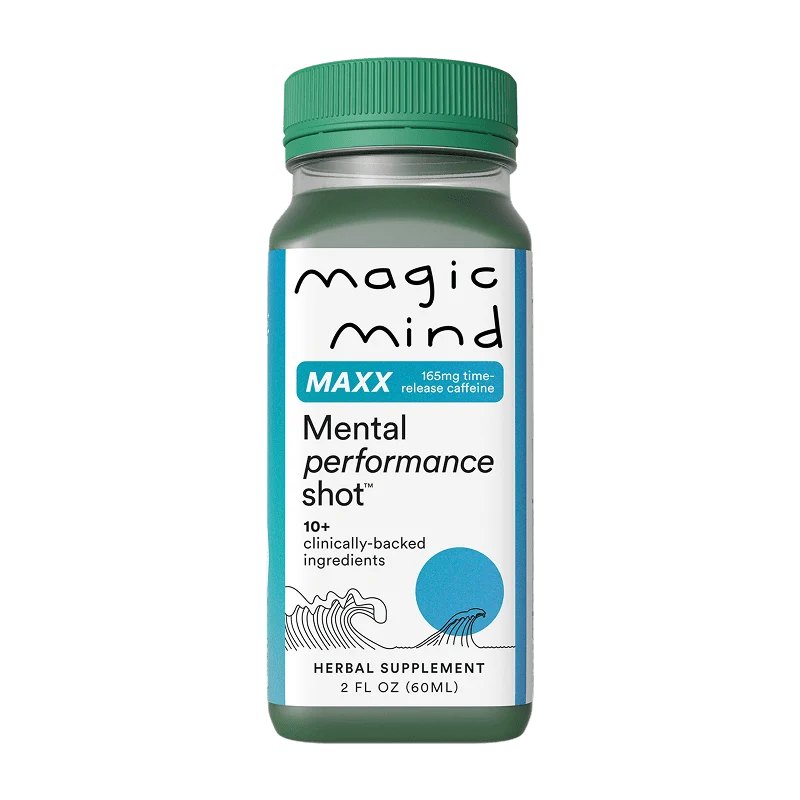
Magic Mind MAXX is a two ounce morning shot sold as 15 bottles for 74.25 dollars Pack notes a proprietary mix plus functional mushrooms with nootropics, adaptogens and vitamins. The company frames it as the stronger daily build. Take one chilled shaken bottle in the morning, and total caffeine before adding coffee.

Hailey Carson
Hailey produces the Half Life interviews: the reading, the question lists, the follow-ups. She asks every founder for the study behind the claim and, more often than you would expect, gets the PDF the same afternoon.
More from Hailey Carson →