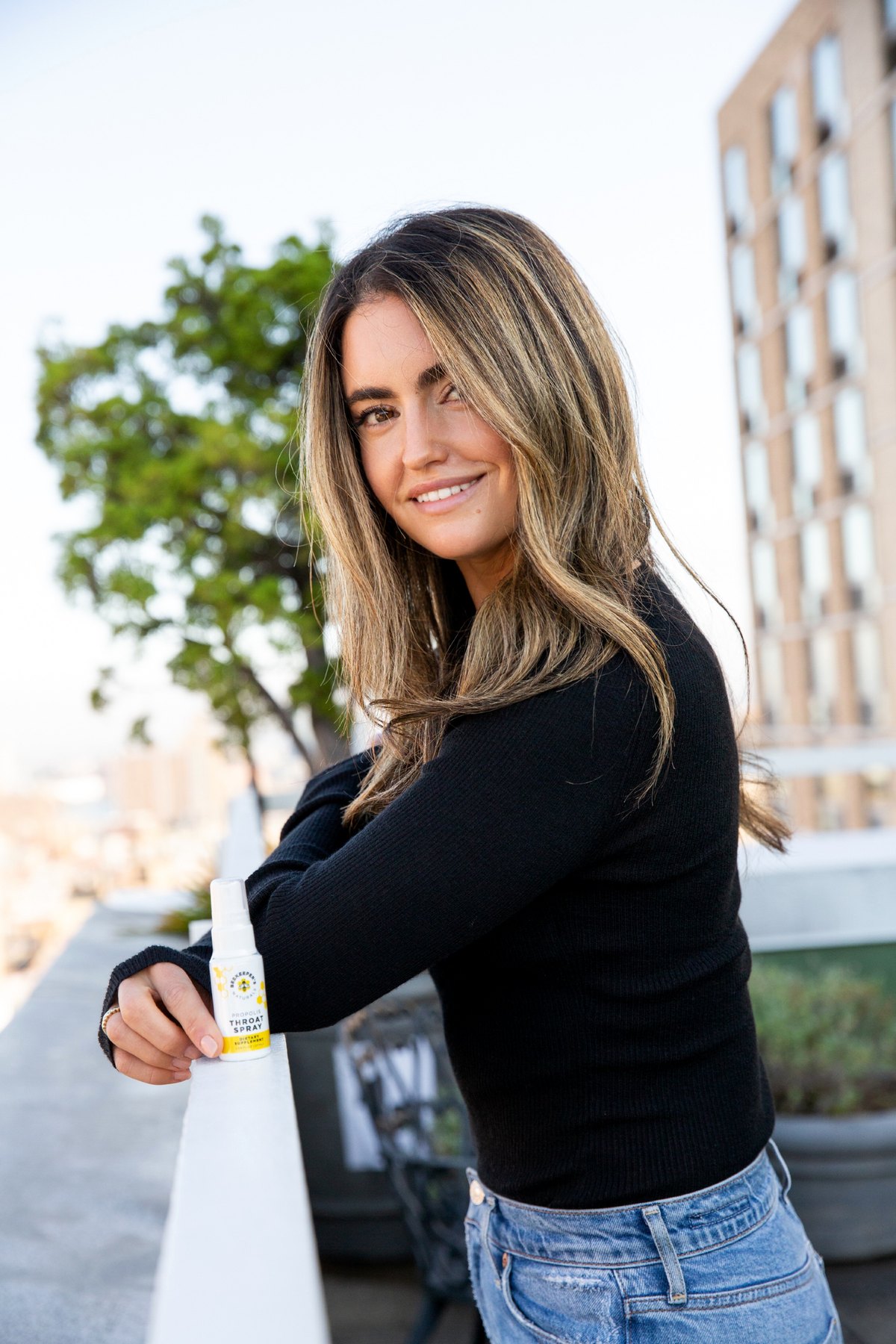
A shopper who already used the throat spray every morning asked what the company offered for the nose when pollen season arrived. That request became a nasal spray, and it explains how Beekeeper’s Naturals builds its range. Founder Carly Stein traces propolis, honey, pollen and royal jelly from distant yards through testing to retail shelves, and she can list each handoff.
Toronto is the starting point, in a childhood marked by repeated severe tonsillitis plus allergy to nearly every antibiotic. For Carly Stein, waiting rooms and pharmacy counters were routine well before business plans or market stalls. That medical history still shapes the panel on the bottle.
The next location is Florence. During study abroad there, Stein came down with another severe tonsillitis episode and entered a neighborhood pharmacy, where the pharmacist suggested propolis. Within several days on it, by her account, the tonsillitis resolved. She went back to the University of Victoria in Canada, apprenticed with a nearby beekeeper, and started preparing early propolis liquids in spare hours in the chemistry lab.
The third location is New York City, where Beekeeper’s Naturals now has its headquarters, with placement in Whole Foods, CVS and Target and staff that includes physicians, nutritionists and health specialists. What interests this magazine, and what we track here, is the link across those points. Bee materials originate in isolated apiaries, blends receive third party screening for pesticides and heavy metals, and the company says it never takes more than the surplus. That is the assertion we measure.
Your childhood in Toronto involved repeated illness, severe recurring tonsillitis and allergy to most antibiotics. In what way does that patient history inform how you interpret an ingredient list today?
I spent much of my youth in Toronto feeling unwell. With severe recurring tonsillitis and allergy to most antibiotics, careful reading becomes compulsory. You memorize the other ingredients section because safety requires it.
I grew disenchanted as a buyer because I spent scarce time and money on glossy celebrity formulas that offered sweeping promises and produced no perceptible effect. That memory stayed. From day one, I insisted on leaving out the alcohol, refined sugars, preservatives and unpleasant fillers common in most remedies.
To me a panel functions as documentation. It ought to disclose contents and deliberate omissions. Parents buying for children read the label just as closely. They prefer a brief panel they can parse, plus a rationale for every entry.
During study abroad in Florence, pharmacy propolis was followed within days by resolution of your tonsillitis. What conclusion did you draw from that short episode?
Within several days on propolis, my tonsillitis resolved. That plain sequence altered the inquiries I pursued. I grew fixated on hive materials. I needed to learn the identity of propolis, its origin, and the reason a pharmacist in Florence stocked it routinely.
Propolis is the resinous blend bees create from saliva, beeswax and plant exudates like sap. Bees apply it to coat and seal the hive interior. The substance was unfamiliar to me in Toronto. In Italy it belonged in the standard pharmacy assortment.
I carried that inquiry back to the University of Victoria in Canada. I arranged an apprenticeship with a nearby beekeeper. I started compounding my initial propolis preparations in spare hours in the chemistry lab and passing them to friends and relatives. That distribution served as the earliest evaluation. Friends reported flavor, whether the spray stung, whether they used it a second time.
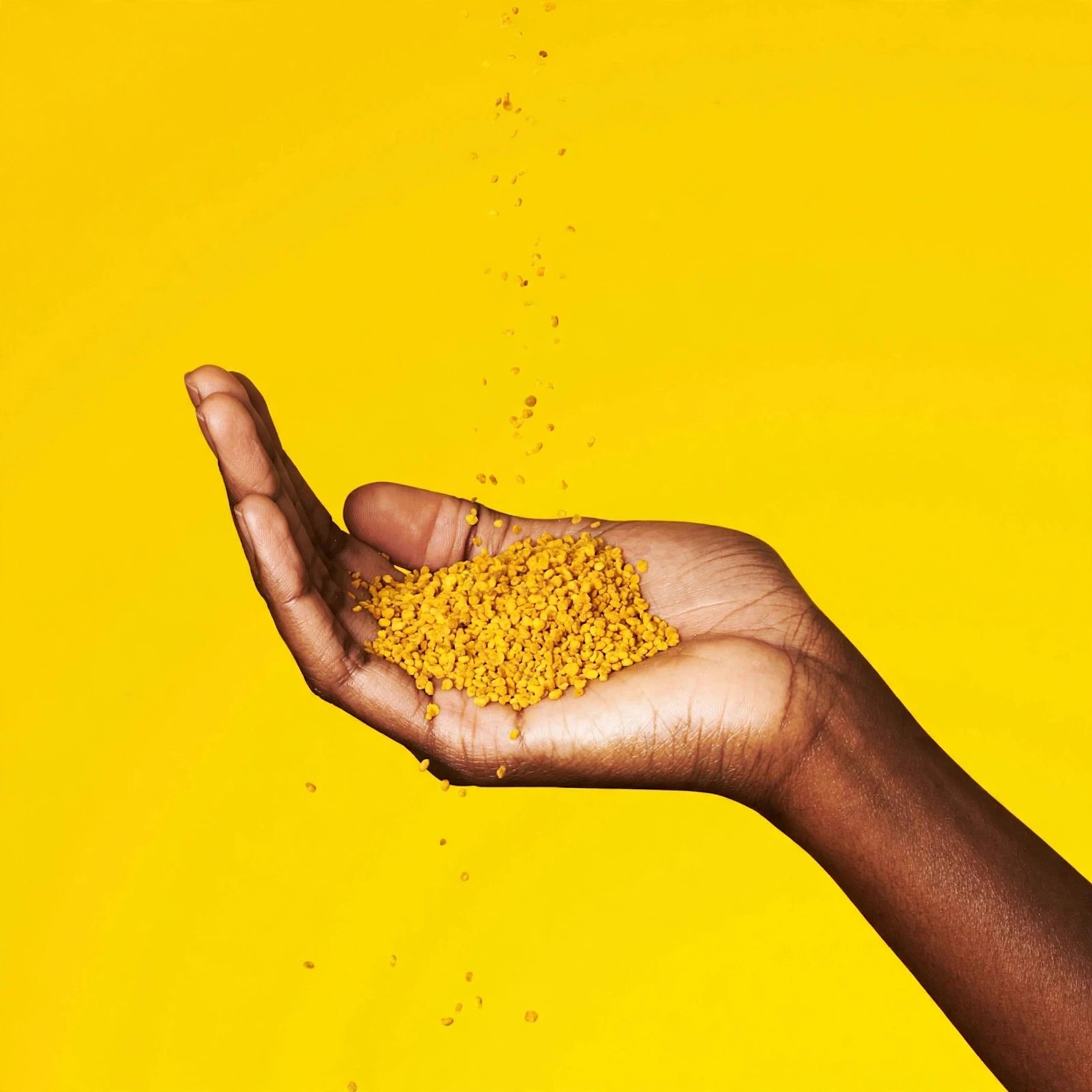
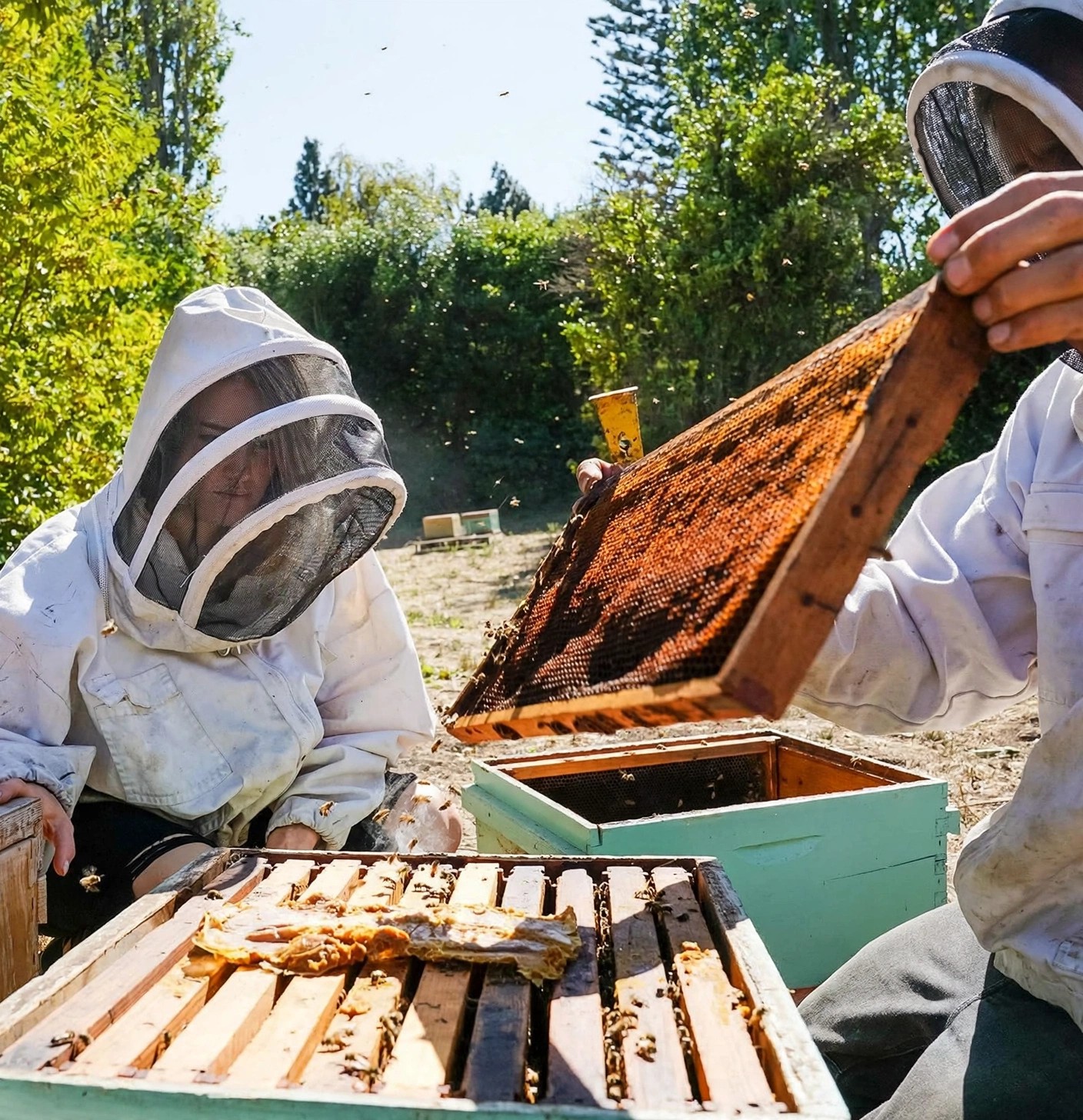
Remote yards across Canada, Europe and South America supply your material under a never overharvest policy. In practical terms, how is a site selected and how much is left behind?
Sustainability sits extremely close to my heart as a subject. We select isolated apiaries because separation from conventional cropland reduces likelihood of pesticide drift. Canada, Europe and South America each offer distinct forage and seasonal cycles, which also diversifies risk for colonies.
Never overharvest signifies we remove solely the excess and retain what the colony requires to seal the hive and survive dearth and winter. Because propolis supports hive defense, stripping it injures bees. Our beekeepers take a share, then the site rests. Colony health precedes output.
I prefer isolated pesticide free yards plus independent testing over organic certification by itself. Organic describes land management. Analysis describes the batch in front of us. We require both the origin narrative and the documentation.
Testing only tells us about the lot in hand.
Carly Stein
At Goldman Sachs you worked on the trading floor before leaving for full time beekeeping. What did colony work clarify that markets did not?
The colony clarified tempo and restraint. A hive cannot be rushed. You observe the entrance, you absorb seasonality, you remove a small amount and preserve enough. I tried to pinpoint the moments when I felt happiest. And I continually returned to crafting products and tending bees.
Markets clarified systems and figures. In time, I resigned from the trading floor at Goldman Sachs to devote myself full time to Beekeeper’s Naturals. Despite counsel from friends and colleagues, I chose to exit stable employment and pursue this improbable bee wellness venture full time. It remains the best choice I ever made.
In 2017 I exchanged corporate employment for beekeeping and vending at the farmers market. That modest stall eventually expanded into placement in Whole Foods, CVS and Target. That stage still resonates with me because a farmers market permits direct exchange. Customers ask that morning where the honey originated.
Your rule is framed as clean without compromise, excluding alcohol, refined sugars, preservatives and fillers from remedies. Which components meet that filter in the throat spray and which are excluded?
From day one, I insisted on excluding the alcohol, refined sugars, preservatives and unpleasant fillers common in most remedies. That filter directly defines the throat spray. Our propolis spray combines bee propolis with vegetable glycerin and purified water as the vehicle, instead of alcohol or refined sugar syrup.
I possessed a very weak immune system during youth, and only after discovering propolis and applying it daily did my immune resilience shift. Hence I report taking three to five sprays each day. The regimen needed to remain easy enough to maintain, and mild enough to repeat.
The panel lists propolis and constituents, among them polyphenols, flavonoids, vitamin C, iron and B vitamins. We formulate alongside physicians, nutritionists and health specialists. Our descriptors are Powered by Propolis and Medicine, made natural. By those terms we intend contemporary science directed at hive materials, absent sugars, dyes and superfluous chemicals.
After collection, propolis travels from hive to spray bottle through cleaning, grading and extraction. Every capsule, traced back to the field is our measure, but where does documentation thin out?
Following collection, propolis undergoes cleaning, grading and conversion into an alcohol free liquid suitable for spraying. That concentrate is mixed, verified, and bottled. Every lot retains its documentation, and completed blends go to an external laboratory for pesticides and heavy metals.
What remains difficult to display is the complete middle on a single page. Extraction ratio, solvent choice, fill weight and laboratory limits live in files few buyers ever open. We can identify producers and furnish records lot by lot, and customers ask us to make retrieval simpler.
I prefer uniting contemporary science with natural medicine over vending ineffective goods. To me traceability forms part of that stance. Precisely where did this originate, and what confirms it. When a stage stays unclear, we acknowledge it and refine documentation until clarity arrives.
Throat users asking for nasal support during seasonal shifts and travel prompted Nasal Spray Max. How do the mouth and nose routines relate?
Shoppers prompted us. They applied the throat spray daily and inquired what we stocked for the nose during seasonal transitions and travel. The response became Nasal Spray Max, a non habit forming blend of propolis, oregano oil, eucalyptus and xylitol said to cleanse nasal passages.
Throat first, then nose, mirrored routines people already used at home. Spray in mouth each day for immune defense, then spray in nose to cleanse. We preserved identical constraints. No alcohol, no refined sugars, no dyes, no superfluous chemicals. Aroma derives from botanical oils, not supplemental fragrance.
Blends are formulated with physicians, nutritionists and health specialists who advise innovation, formulation, clinical research and customer education. Such oversight counts for a nasal item because nasal tissue reacts readily. Amount, plume geometry and precise instructions outweigh promotional language.
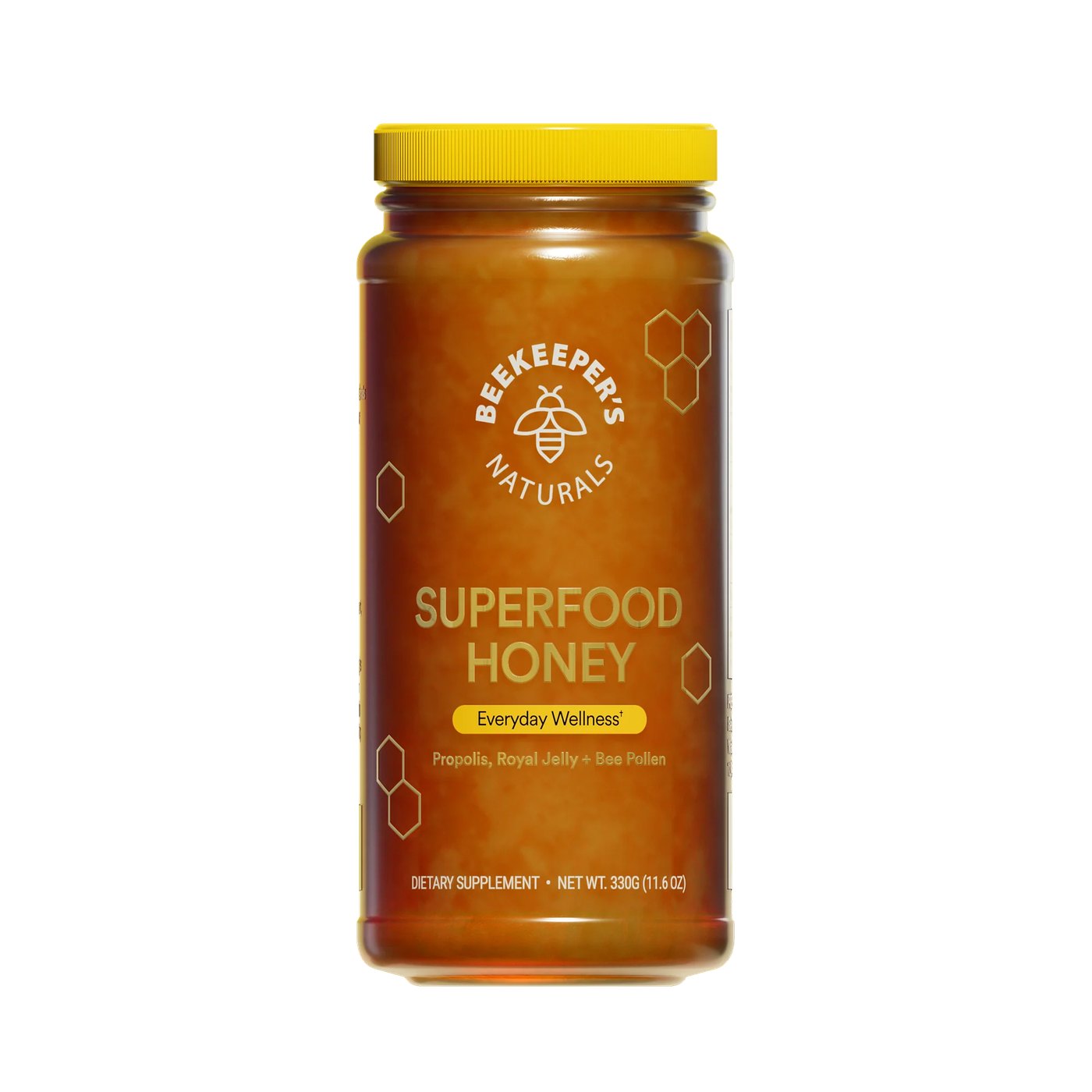
Superfood Honey packs raw honey plus propolis, bee pollen and royal jelly into a single 330 gram jar. Why combine four hive inputs, and what is the suggested manner of use?
Superfood Honey remains our signature jar because it offers the hive in one spoonful with no stated dose. Raw honey supplies the base. Propolis, bee pollen and royal jelly are incorporated. People inquire about administration, and guidance stays straightforward. Consume as ordinary honey by the spoonful.
Royal jelly nourishes all young bees for several days while the queen feeds on it alone for life. Bee pollen is the granule bees assemble from floral pollen. Every component follows its own collection window and handling protocol. Honey is extracted and packed with minimal heat. Pollen is dried and cleaned. Royal jelly is gathered in tiny quantities and stored cool.
The jar declares brand statements and label contents. We assert no outcomes. We display ingredients, net weight of 330 grams, and method of use. Parents appreciate it because one jar consolidates several shelf steps.
Canadian supplement health claims may need an NPN Number that legally validates the claims being made. How does that framework govern label wording versus anecdote?
In Canada that identifier carries weight. Supplement health claims may need an NPN Number that legally validates the claims being made. Therefore we print only validated wording and retain remaining material as usage and routine.
The panel conveys identity, amount and directions. It makes no pledge about effects for the reader. Accounts of personal relief remain outside the Supplement Facts panel deliberately. They recount an individual, not an outcome.
For that reason we repeat Save the Bees and A better way to feel better as goals, not warranties. Documentation establishes provenance and composition. Independent assays examine pesticides and heavy metals. The NPN file, where applicable, determines permitted claim phrasing. All else must accumulate confidence gradually, lot by lot.
Closing note from the desk
What remains is the specificity with which Stein recounts the sequence. Toronto, Florence, Victoria, then distant yards across three regions on record. Shared samples in a dorm room, bench work in a chemistry lab, vending from a farmers market stall in 2017, then Whole Foods, CVS and Target. Geography aligns with documentation.
The company aimed to prepare hive blends free of alcohol, refined sugars, preservatives and fillers, screened by an external laboratory, collected without injuring the colony. That goal is simple, and label plus lot file allow verification. Half Life notes the dose stated on the label still needs direct comparison against the dose tested in published trials.
Product spotlight
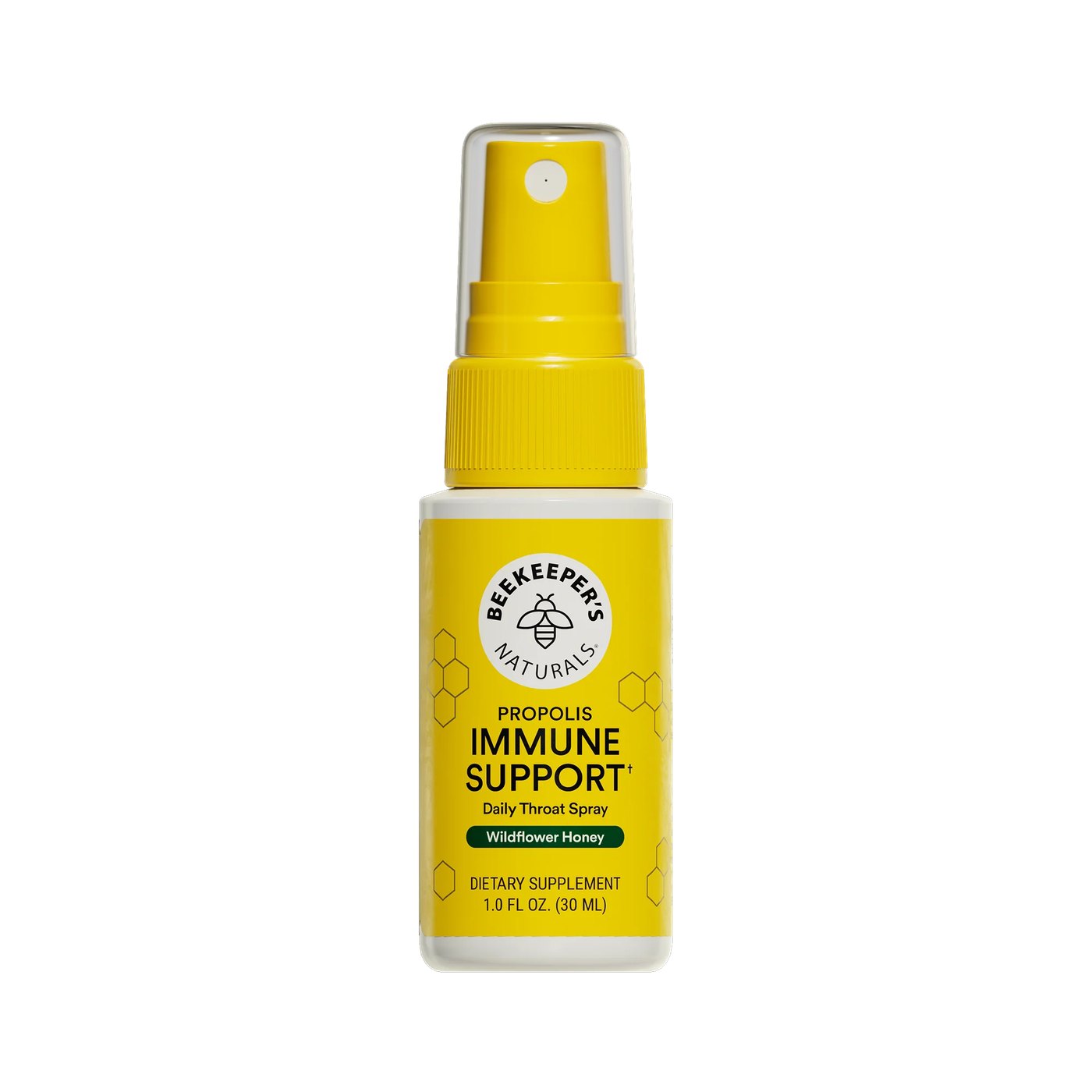
Propolis Immune Support Throat Spray costs 13.99 dollars a bottle with no milligrams in sight. A glycerin based propolis spray containing polyphenols, flavonoids, vitamin C, iron and B vitamins. Apply in the mouth daily for immune defense, three to five sprays in the manner Stein follows. Shake lightly and maintain a consistent routine.
Superfood Honey runs 39.99 dollars for 330 grams. Raw honey mixed with propolis, bee pollen and royal jelly to be taken by the spoonful as ordinary honey. Stir prior to serving and keep sealed at room temperature. A single jar supplies the four hive components in one measure.

Hailey Carson
Hailey produces the Half Life interviews: the reading, the question lists, the follow-ups. She asks every founder for the study behind the claim and, more often than you would expect, gets the PDF the same afternoon.
More from Hailey Carson →