
“I gave Lily that pack. It was bright pink, full of sugars and dyes.” What that small handoff reveals is a label problem that became a dosing problem.
Hilma entered direct to consumer sale in January 2020 with relief products for digestion. The choice made by the three cofounders at that point was to stay narrow on gut needs instead of building a wide cabinet range. Hilary Quartner, Nina Mullen and Lily Galef had used one year to study the idea before working on it full time, then used one and a half more years to formulate products and assemble the brand.
The working relationship grew from friendship. Quartner and Mullen met while at Harvard Business School. Mullen and Galef had known one another since early childhood. The origin account they repeat starts with Galef ill with a cold, Mullen offering a vivid pink Emergen-C sachet loaded with sugars and dyes, and the three friends seeing a gap between that sachet and the careful labels they chose for food, skin care and household goods.
Hilma today is a supplement firm organized around need stated labels, botanicals drawn from many countries and capsules made and checked inside the United States. The cofounders say formulas are built with physicians and scientists, that components are screened for clinical study support, and that the firm funds product research of its own. In late 2022 Biocodex Group bought a majority interest and Hilma kept running on its own beneath that owner.
What often gets missed is the method behind the branding. Half Life traces the chain in reverse, from capsule to extraction to farm to paper. Hilma can describe the system, herbs from abroad plus testing at home, more easily than it can list each farm and each batch in public. That gap matters, and it shapes this interview.
You spent one year vetting the idea before full time work, then eighteen months on formulation, with hundreds of shopper interviews. What did people say about hard to use tinctures and herbals built around single ingredients.
Hilary Quartner: We gave one full year to research and vetting of the Hilma idea before we committed full time, then we gave another eighteen months to product work and brand building. The span from first idea to sale was close to two years. We ran hundreds of interviews with shoppers to test whether others sought another choice.
What we heard was fatigue with hard to use tinctures and with herbals organized around one botanical and little study. People wanted to open the cabinet and match a product to gas, a sour stomach, head tightness, seasonal pressure. They wanted the need printed plainly on the front. They also did not want an over the counter pill as the default first move for each minor complaint.
That feedback set the lineup. We launched in 2020 with four products, including Immune Support, Upset Stomach Relief, Tension Relief and Indoor/Outdoor Support. Gas and digestion turned into the center because use was most often there and because herbs for those uses had published work behind them.
That pink Emergen-C sachet with sugars and dyes turned into your origin story. What did that cold and that handoff teach about cabinets lagging food and skincare labels.
Nina Mullen: All of us were friends before we were partners, and we shared real enthusiasm for this category and this shift in buying. Lily was sick with a cold and I passed her that sachet. It looked bright pink, carried sugars and dyes, and used design that felt dated. It sat oddly beside the foods we ate and the skincare and cleaning goods we kept.
We opened our medicine cabinets with new attention and they looked stuck in an earlier era. Each of us had used plant remedies with good results for everyday needs, and we kept asking why no choice existed that was both plant based and backed by physician trust and study. So we set out to build the brand we wished we could buy.
We built Hilma because we think plant remedies ought to work and ought to be easy to get, and because each person deserves a plant based choice beside what is already in the cabinet. That view has held. We are not opposed to medicine. We sought choice, with panels a person can read.
None of you began as physicians, herbalists or scientists, so a Scientific Advisory Board came first. Who serves and how does review alter a blend before filling.
Hilary Quartner: At Hilma our method for building formulas rests on close study. Since none of us came in as physicians, herbalists or scientists, assembly of a Scientific Advisory Board was our opening move. We formulate with physicians including a gastroenterologist, an internist, an allergist and a specialist in womens health.
In use, the board looks at the target need and the published work for each possible botanical. We seek clinical work tied to that use, then we review amount, extract type and safety record. When a botanical holds tradition but only weak data, it stops there. When the amount tested in papers will not fit in a capsule at a sensible fill, we rebuild the mix.
We aim to keep a high bar for rigor in the natural category. That includes formulas without the dyes, sugars and fillers still seen in goods kept in many homes. By without, we mean not added during formulation. The Supplement Facts box plus the other ingredients line show what is actually in the tub.
You run product trials even though you make and check goods in the United States from global herbs. What does a Hilma trial track, and what can it not establish.
Nina Mullen: We fund product trials because papers on lone botanicals often do not mirror a finished mix. A product trial takes in people with the matching occasional complaint and follows self reported change across the trial span, with surveys and common gut measures. Dose, group and length are fixed before enrollment opens.
What such work can show is how those taking the product as labeled during that span described their time. What it cannot show is wider proof. Supplement statements in the United States bear the note that the Food and Drug Administration has not evaluated the statements. Our panels speak of support for occasional complaints, not care for illness.
For Half Life readers, the facts that count are design and access. Which group, how many weeks, which daily amount, and where a summary lives. We direct shoppers to the panel and to trial summaries, and we hold wording to supports and helps ease occasional upset, which is what the panel permits.
We fund product trials because papers on lone botanicals often do not mirror a finished mix.
Nina Mullen
You describe herbs drawn from around the world where growth and quality are best. For a label reader, where does Gas and Bloat Relief material start, and which paper trails it.
Lily Galef: We draw our botanicals from many nations, tied to where each plant grows and tests at highest quality. That choice is on purpose. A plant taken where it thrives tends to yield steadier lots for extraction. After harvest the crop is dried, ground and drawn into a powder or oil, then sent on for filling.
All of our goods are made and checked in the US. Each inbound lot comes with vendor documents, then our production partners check identity and check contaminants such as heavy metals and microbes before release. Results go on the lot certificate of analysis. The finished run holds its own file, with fill mass and count.
What we share now is the framework more than each grower name and each lot code. We know traceability shoppers want field names and pick dates. We can give region and quality rules and home country checks. The part still not open in public is farm level tracking by item, and what would open it is batch level posting on the site.
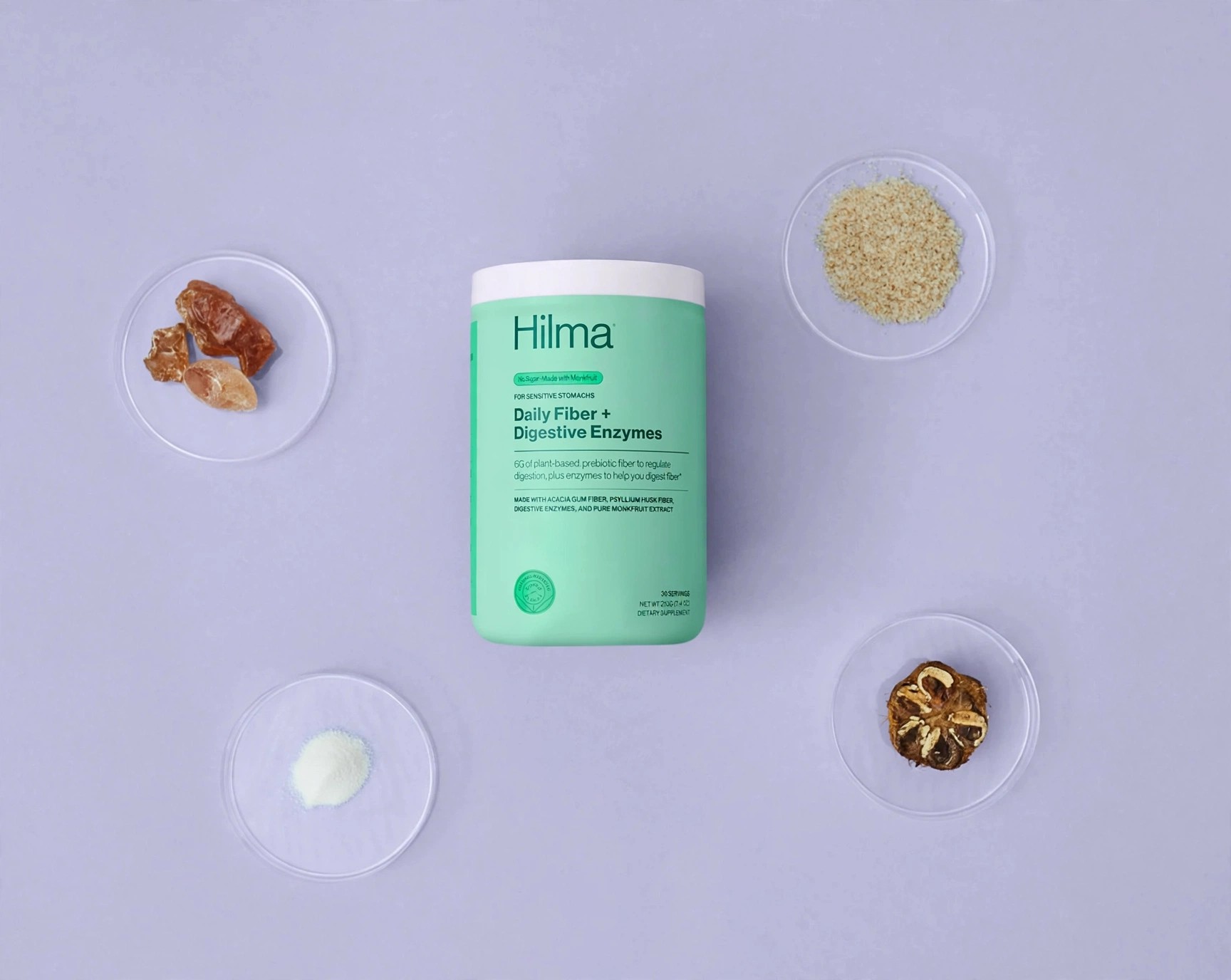
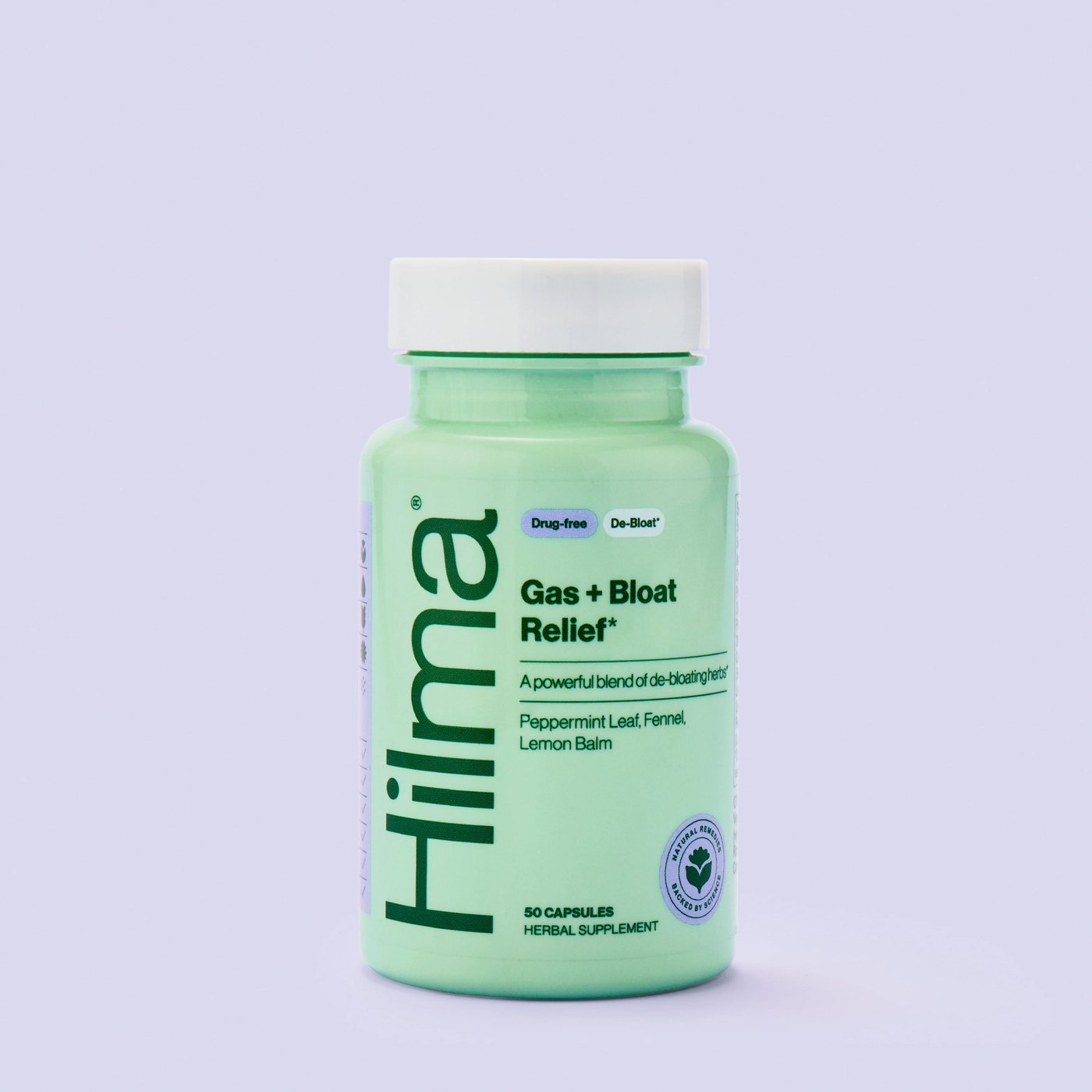
Gas and Bloat Relief at 36 dollars is called a bestseller for occasional gas and gut unease. Take us from dried plant to capsule in hand, with extract ratio, standardisation and fill mass.
Hilary Quartner: Gas and Bloat Relief begins as dried plants from overseas vendors picked for territory and grade. Each botanical lot is confirmed to species, then drawn to a stronger form. When an extract is called standardised, it has been tuned to a fixed level of a marker so lots act more alike. When it is not standardised, we use extract ratio, which notes how much raw plant forms one part draw, along with identity checks.
The powder or strong draw is mixed with the remaining items shown on the Supplement Facts box, then placed in shells. Fill mass is the mass of mix put in each shell. Count is confirmed by mass and by tally. The 100 count jar is sold as a two month stock and the 50 count as a one month stock, which shows the planned daily tally on the panel.
Use is to take as labeled for gas and bloat care. The other ingredients line lists shell stock and any flow aids. The seal, lot code and best by date link that jar to its run file and its certificate of analysis.
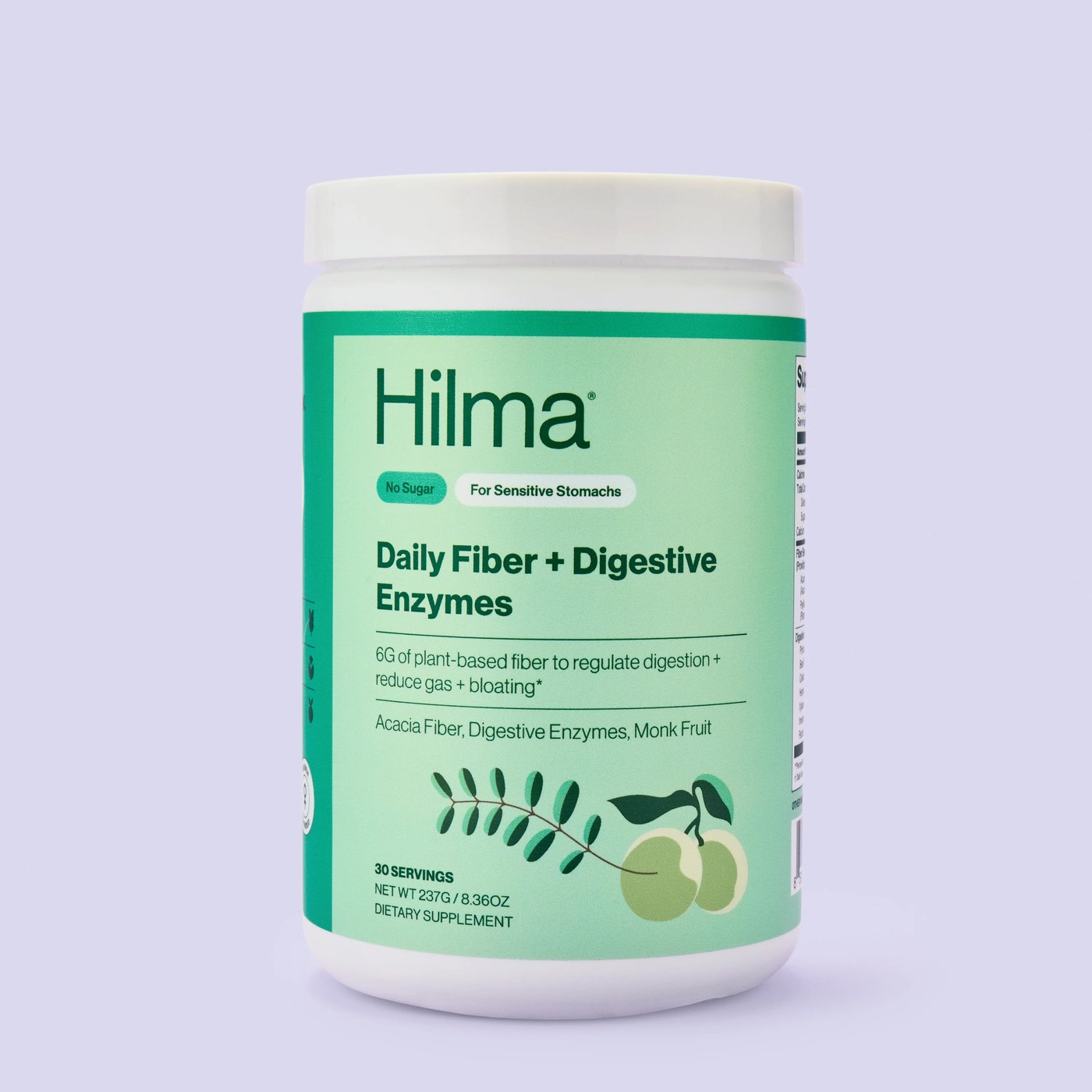
Daily Fiber plus Digestive Enzymes Powder at 22 dollars is framed as plant prebiotic fiber with enzymes for tender stomachs. How do chicory root fiber and enzymes travel your chain in another way than gas herbs.
Lily Galef: Fiber and enzymes take a separate route from leaf and root botanicals for gas. The fiber in this mix is prebiotic fiber from chicory root, which comes in as a worked fiber powder and not as a raw crop for drawing. The lot file centers on fiber level, water and microbes. The enzymes are fermentation goods, raised in vessels, collected, dried and mixed by activity units and not by mass only.
At mixing, the fiber base and the enzyme mix meet in a recipe meant to stir into water. Daily use is to stir powder in water each day for fiber and de bloat help. Since enzymes fall in activity with warmth and damp, dry storage and tub or sachet seals count more here than with most dry botanicals. Checks follow activity across shelf span, not only at release.
The panel gives fiber grams per serving and the enzyme mix by name and level. That is the record a buyer can check at home. Field source fits the chicory root most plainly. Vessel source fits the enzymes. We keep those sources separate in files even when they meet in one powder.
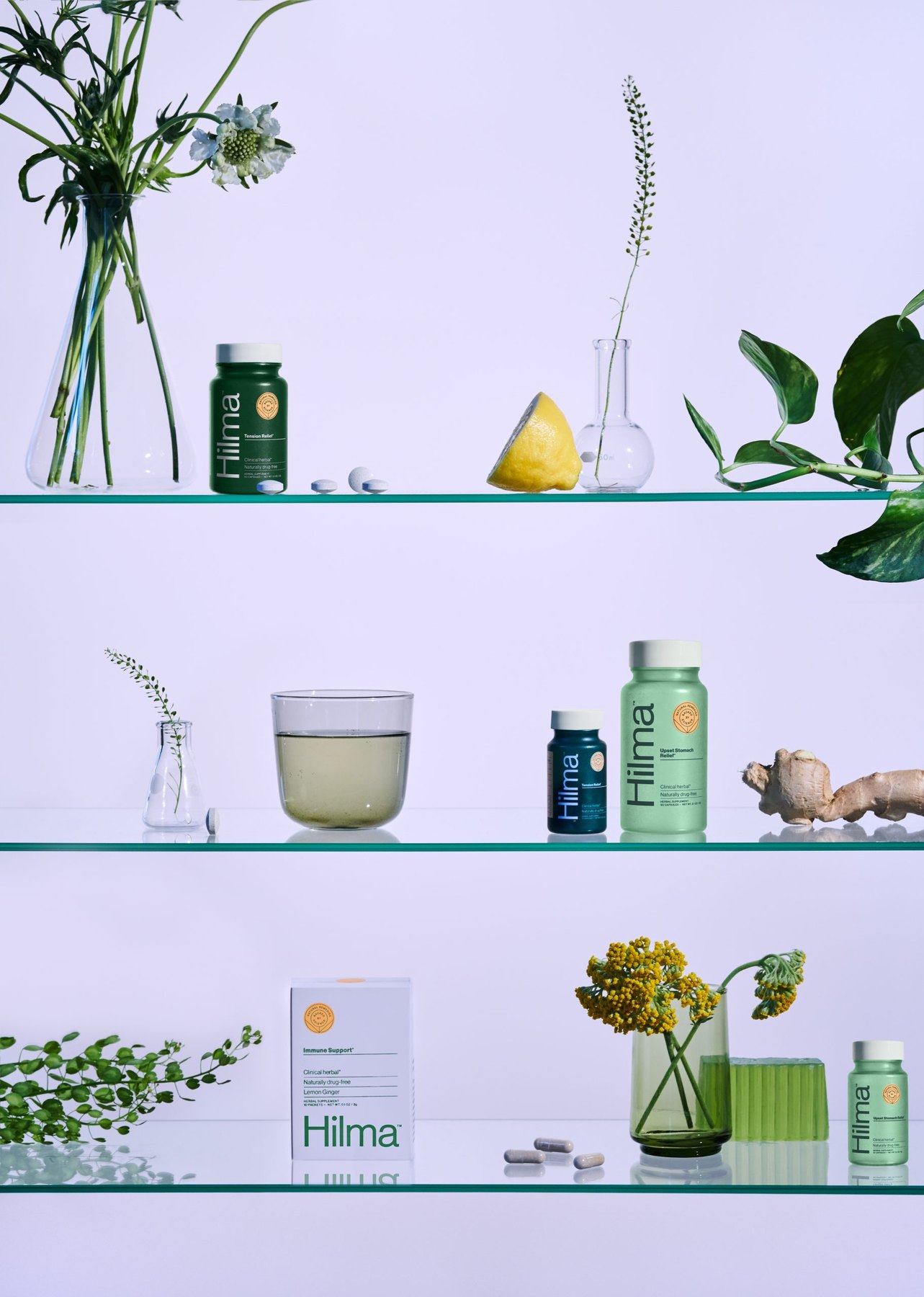
You call panels plain and built around needs rather than ingredients. What should a careful shopper still study on the Supplement Facts box to weigh value at 72 cents to 80 cents per serving.
Nina Mullen: Plain means the front names the need, gas, fiber, dairy and gluten triggers, tension. The back holds the facts a careful shopper uses. Start with serving size and servings per jar. Our Gas and Bloat Relief shows 100 count as a two month stock at 36 dollars and 50 count as a one month stock at 20 dollars, which is how serving cost is worked out. Then read the mix by mass or level, then read the other ingredients line for shell and flow aids.
Seek what we leave out, dyes, sugars and fillers in recipes, and confirm it on the panel rather than trusting the front alone. Seek outside seals where shown and learn that their reach differs. One may audit plant practice, one may check finished lots for contaminants, one may confirm a lone trait. Our US making and checking sits under current Good Manufacturing Practice, with vendor certificates and finished run files behind each lot code.
When value has sense here, it means level per serving, panel clarity and lot to lot steadiness. Keep the jar, keep the lot code, and place one purchase beside the next. That is how a small set of goods keeps its slot across years.
In November 2022 you reported sale of a majority holding to Biocodex Group while staying independent. What shifted in sourcing, checks and stores after that, from Amazon and Target in 2021 to a major US drugstore chain.
Hilary Quartner: Our tie with Biocodex will let Hilma grow fast across store and online sale, meet fresh buyers and build fresh goods. The setup stayed self directed under its roof. Daily work on recipes and home country making and checking was unchanged at announcement. What shifted was room to plan supply and stores with a drug owner.
The dates help. We recorded our first direct to consumer sale in January 2020. We reached Amazon and Target in 2021. We grew 100 percent year over year in 2022. The majority holding sale was reported in late 2022. Entry to a first major US drugstore chain was set for the first half of 2023. Each phase raised lot totals, longer buying plans and more store compliance files.
For sourcing, bigger runs bring more lots per botanical and closer timing with farms and draw makers. Certificates of analysis still cover each lot. The panel still carries the lot code. Growth tests whether grade rules survive when totals climb, and that is where we focus.
Closing note from the desk
What remains after this talk is process more than pitch. The cofounders can say why gut care came first, how physicians study each mix, and where overseas botanicals meet home country checks. They are exact about what stays out of the recipe and careful to hold wording to help with occasional needs.
What stays unshown is farm level evidence. Territory and grade rules are given, lot checks are outlined, yet farm names and lot papers are not posted by item. Hilma aimed to offer plant remedies with study backing that stay easy to obtain, useful at the time of need. As pharmacology, that aim now turns on open data, lot by lot, from where a plant grows to the capsule in the palm.
Product spotlight
Gas plus Bloat Relief, 36 dollars per 100 count and 20 dollars per 50 count, is the central botanical mix for occasional gas, bloat and gut unease. Use as the panel directs for the need at hand. Check serving size and lot code to join the jar to its run file.
Daily Fiber plus Digestive Enzymes Powder, 22 dollars, is the plant prebiotic fiber with gut enzymes built for tender stomachs. Stir powder in water daily for fiber and de bloat help. Chicory root supplies the fiber while fermentation supplies the enzymes by activity.

Hailey Carson
Hailey produces the Half Life interviews: the reading, the question lists, the follow-ups. She asks every founder for the study behind the claim and, more often than you would expect, gets the PDF the same afternoon.
More from Hailey Carson →