- USD 5.50 Billion marked refillable cosmetics in 2025, with USD 9.58 Billion projected by 2032
- UK refill makeup sales rose 364 percent in January to July 2022, led by lip colour
- EU packaging duties apply from 12 August 2026, with recyclability grades due by 2030
USD 5.50 Billion was the estimated value of refillable cosmetic products in 2025. The packaging around those products gained its own legal status on 12 August 2026, when the EU Packaging and Packaging Waste Regulation began to apply directly in every Member State. The rule addresses the jar, case and carton apart from the formula they contain.
For buyers who retain a compact and purchase only the insert, the pattern will look recognizable. Refillable prestige beauty sales in the United Kingdom increased 47 percent between January and the end of July 2022 and reached 34M pounds across those seven months, according to NPD UK Beauty. Sales classed as Product Refill Only increased 79 percent over the same interval, the quickest rise in that group.
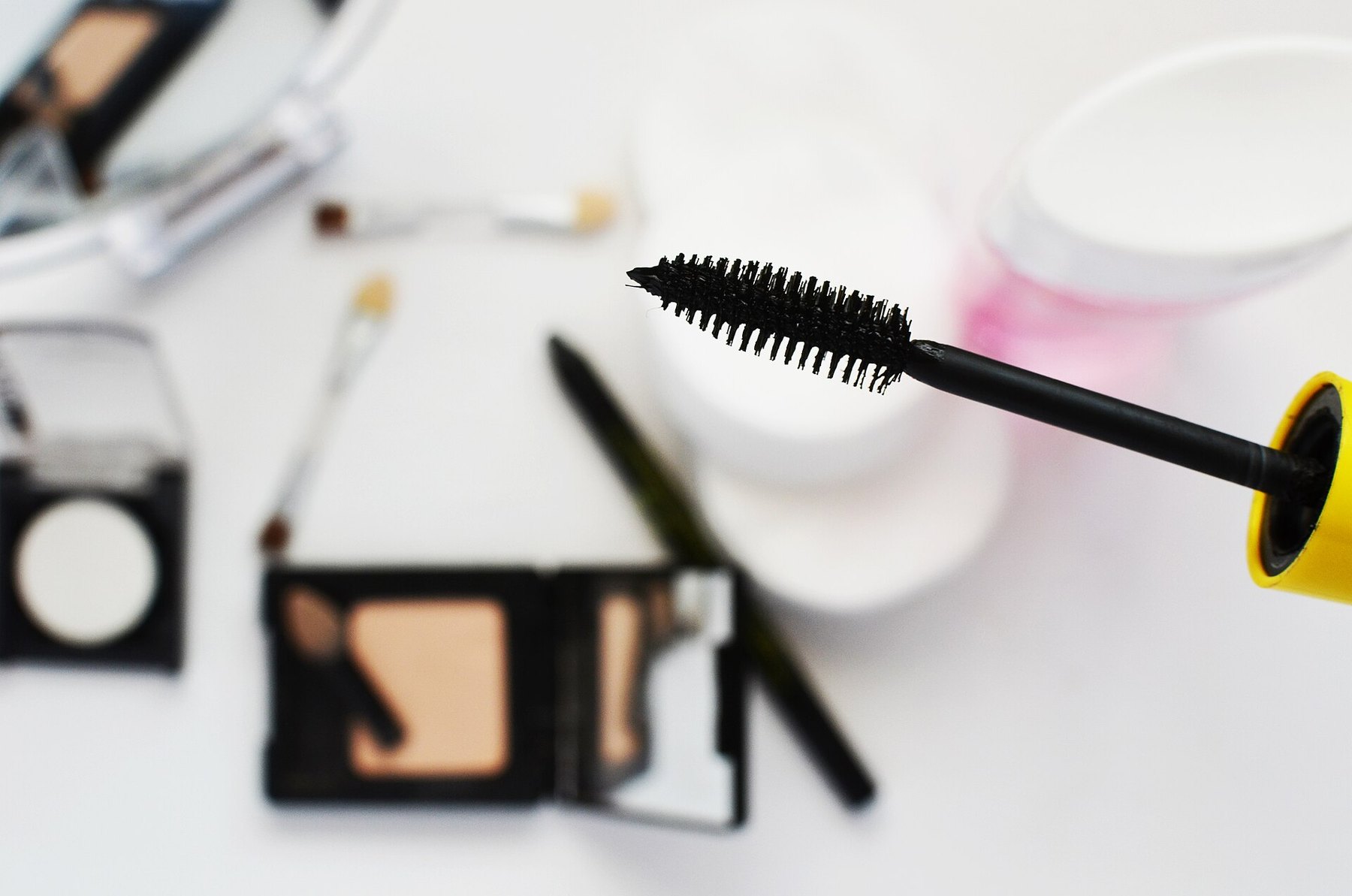
Makeup showed the steepest change. Between January and July 2022, sales of refillable makeup products rose 364 percent against the same months in the prior year. A little more than half of makeup refill sales came from lip colour, while bronzer and blush also represented large portions. New launches seen with refillable options in 2022 included Good Fortune by Viktor and Rolf, D by Diesel and Prada Paradoxe. Emma Fishwick, Account Manager, NPD UK Beauty, said shoppers aware of sustainability and their role in it have lifted sales of refillable prestige beauty products, a claim we would test against dose and data.
The broader market stayed centered on skincare. The refillable cosmetic product market was placed at USD 5.50 Billion in 2025 and was expected to arrive at USD 9.58 Billion by 2032, which implies 8.25 percent CAGR. Skincare claimed 50.8 percent of value in 2025, put at USD 2.8 Billion. Makeup totaled an estimated USD 1.6 Billion with a 29.6 percent share. Europe logged USD 1,971.57 Million in 2025, about 35.9 percent of the worldwide market. Glass accounted for 45.3 percent of refillable packaging material in 2025.
Regulation (EU) 2025/40 took effect on 11 February 2025 so we read its text before trusting claims. By 1 January 2030, every pack placed on the EU market must satisfy recyclability criteria scored A to E, and packs below Grade C will be prohibited. Article 10 prohibits designs that enlarge apparent volume, and Commission FAQ illustrates the point with a 50ml facial cream jar with double wall, false bottom or outer box as the worked example.
Further duties affect the point of sale. From 1 January 2030, Annex V prohibits single-use packaging for cosmetics provided for an individual hotel booking. From 2030, large retailers must try to give 10 percent of sales area to refill stations. By 2030, grouped, transport and ecommerce packaging must hold no more than 50 percent empty space. Operators that offer refills must tell consumers about acceptable container types, hygiene standards and safety rules. Every packaging unit needs a separate Declaration of Conformity. The law sets a broad cap of 100mg/kg for lead, cadmium, mercury and hexavalent chromium in packaging materials.
Whether rapid early expansion lasted through 2026 remains unknown, because sales data ends in 2022. Refills are typically 10 to 20 percent cheaper than buying a new unit. Expansion was rapid but started from a small base. Further Commission guidance on scope and labelling is awaited, along with brand approaches to durable packs, reverse logistics and cleaning between fills.
Half Life will track which compacts, sticks and pots remain in service, and what the fill levels and refill prices show next.

Hailey Carson
Hailey produces the Half Life interviews: the reading, the question lists, the follow-ups. She asks every founder for the study behind the claim and, more often than you would expect, gets the PDF the same afternoon.
More from Hailey Carson →