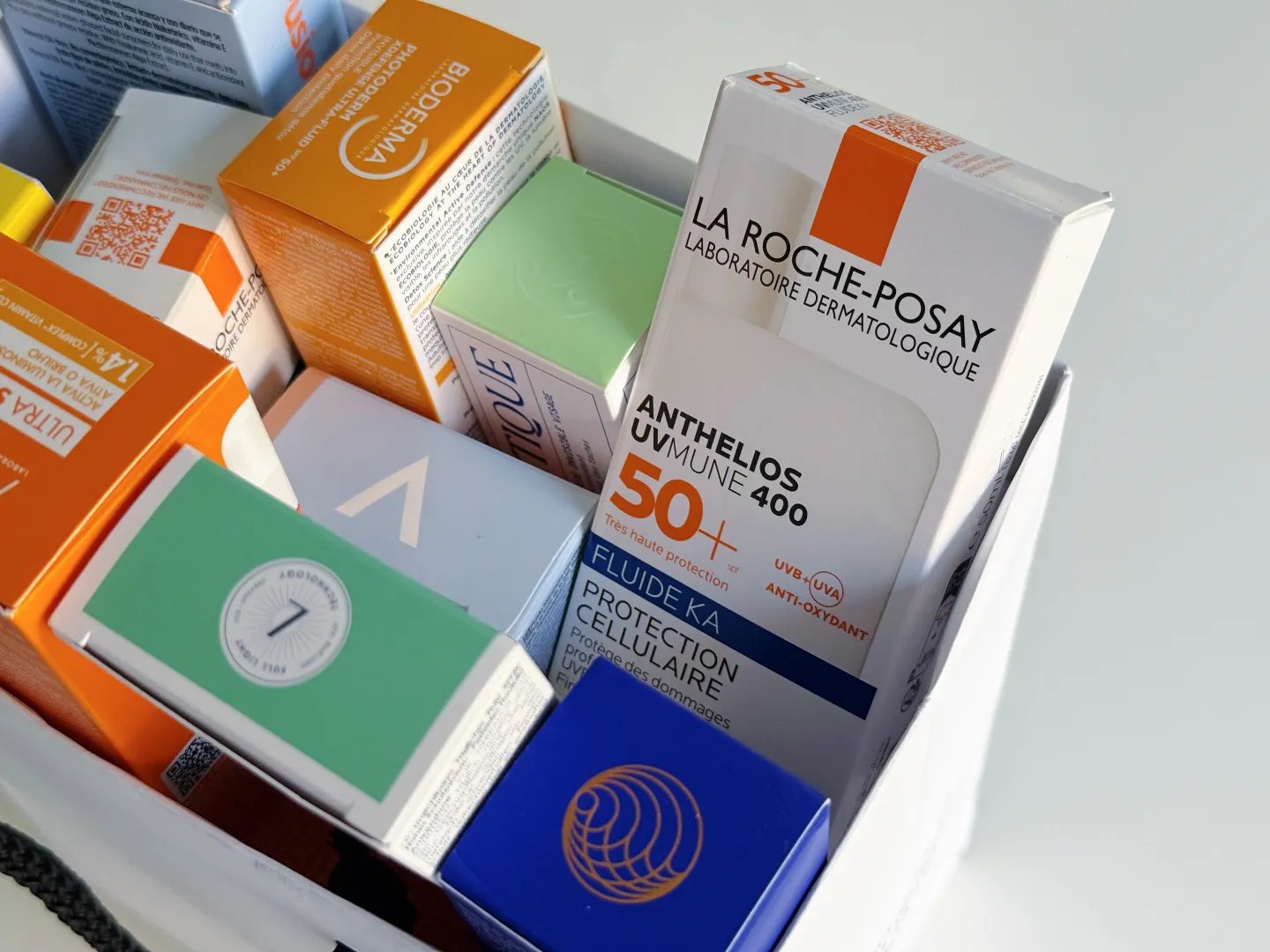
- FDA action on June 9, 2026 allows bemotrizinol up to 6 percent from August 9
- Large molecule and trial record point to surface retention and steady protection
- Label math will matter because overseas products may use up to 10 percent
The Food and Drug Administration added bemotrizinol to the sunscreen monograph on June 9, 2026 after a proposed order dated December 12, 2025, ending more than 20 years without movement while Europe authorized more than 30 UV filters. The listing takes effect August 9, 2026.
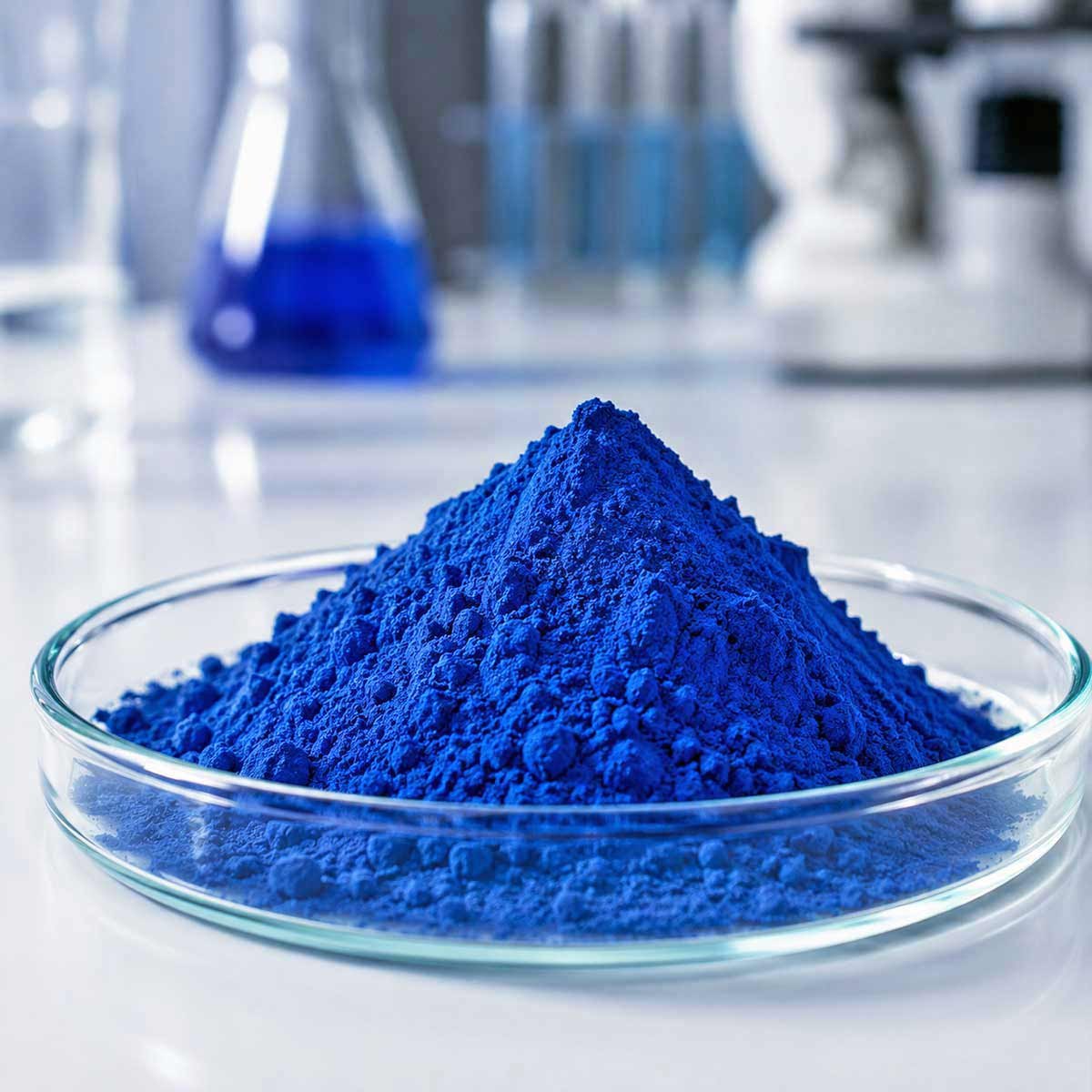
Formulators gain a broad spectrum agent against ultraviolet A and B radiation. Testing shows it keeps above 90 percent of its protective function after prolonged sun exposure and it can stabilize companion filters such as avobenzone. With a molecular weight of 627.8 g/mol, it largely remains on the skin surface, and agency review recorded low penetration through skin.
The Food and Drug Administration finds bemotrizinol generally recognized as safe and effective for adults and children aged 6 months and older. DSM Nutritional Products LLC requested inclusion at concentrations up to 6 percent. That ceiling controls product design, because the EU, UK, Korea, Australia, China, Brazil and India permit bemotrizinol at 10 percent.
Use in the European Union dates to 2000, with long availability also in Australia, parts of Asia and Latin America. Previously the US recognized 16 active sunscreen ingredients, including two judged not generally recognized as safe and effective and seldom formulated. Bemotrizinol lifts the US count to 17, against more than 30 approved UV filters in the EU.
Strong UVA coverage in the US has rested on only two Food and Drug Administration approved ingredients, zinc oxide and avobenzone, compared with 10 ingredients with strong UVA coverage open to European manufacturers. An Environmental Working Group review of 51 products reported that only 35 percent satisfied the EU standard while 94 percent would satisfy the present US standard. The EU asks that UVA protection reach at least one third of the SPF value.
Bemotrizinol became the first new active ingredient cleared through the streamlined pathway created by the CARES Act, completed within seven months after the proposed order. DSM Firmenich put at least 18 million dollars and more than two decades into chasing approval. The company holds exclusive US marketing rights for 18 months under the brand name Parsol Shield, and first products are expected around September 2026.
HHS Secretary Robert F. Kennedy, Jr. said Bemotrizinol has a decades long record of safe use in Europe and the FDA move should broaden competition and trust in sunscreen products.
It remains unclear when products with bemotrizinol will reach broad distribution after the expected September introduction, and whether the agency will move on other pending filters such as bisoctrizole.
Until then directions remain unchanged, use a full measured amount and reapply during sun exposure, while one more measured option approaches the shelf.

Victoria Hawkins
Victoria looks after the brands Half Life works with and makes sure every sponsored page is labelled and dose-checked like the rest. She spent six years in regulatory affairs at a supplement maker, so she knows exactly what a label is allowed to say.
More from Victoria Hawkins →