- A 21 August 2026 AutyFIT Editorial review reexamined the evidence for bakuchiol as a retinol alternative.
- The central 2019 trial tested 0.5% bakuchiol twice daily against 0.5% retinol once daily for 12 weeks in 44 people.
- Wrinkle area and pigmentation improved in both arms, while scaling and stinging clustered in the retinol arm.
On 21 August 2026 AutyFIT Editorial revisited the evidence on bakuchiol as a possible stand in for retinol. The article put a 12 week trial from 2019 at center stage and asked for clearer claims on labels and shelves.
Cosmetic comparisons often borrow authority from a single protocol, and here that protocol is NCT03112863. On 21 August 2026, AutyFIT Editorial revisited it and asked brands to describe bakuchiol more plainly. The request is pharmacologic: name the form, name the concentration, name the schedule.
For a reader who counts milligrams before promises, the useful part is narrow. The best studied comparison found similar improvement in signs of photoageing with better tolerance for bakuchiol. That result covers that one tested regimen only. It does not turn each bakuchiol serum into a retinol equivalent.
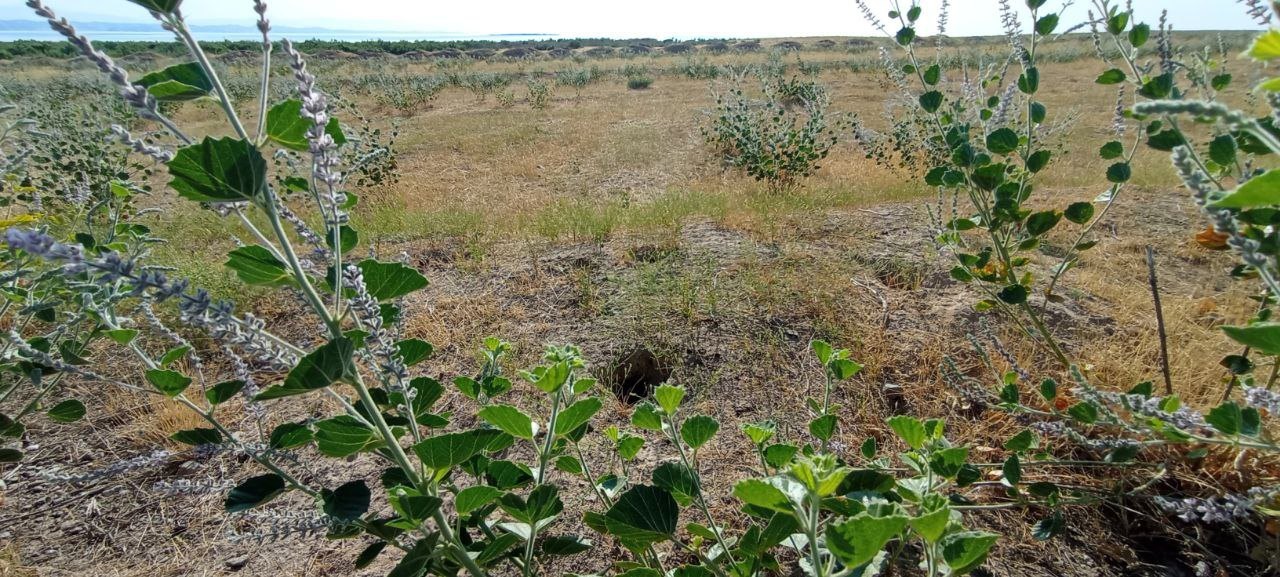
The starting material matters before any claim about strength. Bakuchiol is a meroterpene phenol from the seeds and leaves of Psoralea corylifolia, also called Cullen corylifolium. A seed oil, a dilute extract and high purity bakuchiol are not the same raw material. The 2020 Pierre Fabre paper described its bakuchiol raw material as about 95 percent pure.
The trial tested routines rather than matched exposure. That trial was listed on ClinicalTrials.gov under NCT03112863. It tested 0.5 percent bakuchiol twice daily against 0.5 percent retinol once daily for 12 weeks in 44 people. Both arms showed clear drops in wrinkle surface area and hyperpigmentation, with no statistical gap between agents on those measures. One summary framed the shift as 20 to 30 percent less in fine lines and hyperpigmentation.
Tolerability was where the arms diverged. In the trial the retinol group reported more facial scaling and stinging than the bakuchiol group. Chaudhuri and Bojanowski wrote in the British Journal of Dermatology in 2019 that in their study bakuchiol matched retinol for improving photoageing while proving better tolerated.
Mechanism explains attention while limiting extrapolation. Retinol changes into retinoic acid in skin and engages retinoid receptors, while bakuchiol does not make that conversion. Gene work from 2014 found bakuchiol switched on collagen supporting pathways while turning down MMPs that degrade collagen. Later summaries lean in the same direction. A Journal of Integrative Dermatology review searched PubMed and EMBASE for bakuchiol and photoaging, kept seven papers from 2014 to 2021, and found comparable benefit with better tolerance versus retinol in direct testing. A 2024 Journal of Cosmetic Dermatology study likewise found similar gains in photoaging and hyperpigmentation at 12 weeks with fewer reports of redness and scaling.
Dose and sourcing remain the unresolved variables. The direct comparison used unequal schedules, so it tested routines rather than equal dose potency. Marketing copy often folds cell, animal and human results into one studies show line, which reaches past what cosmetic trials actually measured. A 2025 Grand View Research market analysis projected global bakuchiol sales to grow at 7.5 percent yearly through 2030, which could mean more products with murkier labels.
Until better dose ranging appears, regard bakuchiol as one option with a defined regimen for sensitive routines rather than a general substitute for each retinoid effect.

Katherine Warren
Katherine edits the news desk and the monographs at Half Life. She keeps a spreadsheet of every dose she has seen on a label beside the dose used in the trial, and the gap between the two columns is usually the story.
More from Katherine Warren →