- Prestige beauty reached $17.1 billion in the first half of 2026, led by skin care at 9 percent against 3 percent for makeup
- Body care climbed 16 percent and sun care climbed 19 percent, while natural skin care returned to growth in dollars and units
- Mass beauty also rose 7 percent to $39.2 billion, with shoppers mixing price tiers around daily use
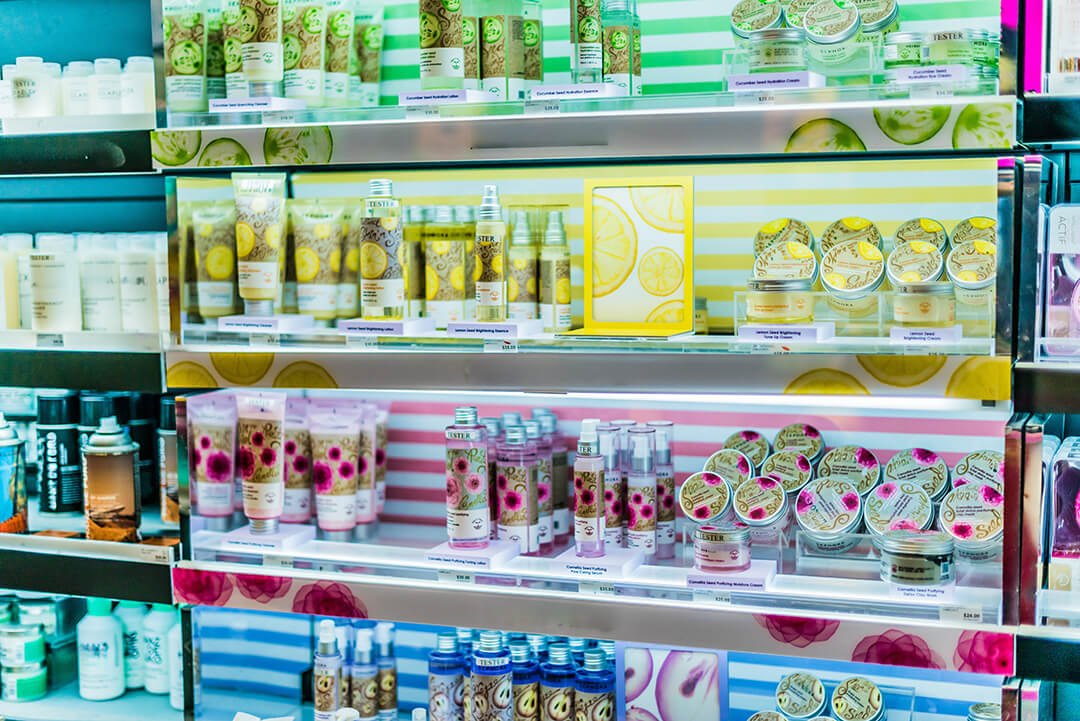
9 percent is the figure to hold in mind. On August 11 Circana LLC put United States prestige beauty at 17.1 billion dollars for the first half of 2026, up 7 percent on the prior year. Skin care supplied the momentum with a 9 percent increase, while makeup rose 3 percent and its unit demand eased lower.
Mass beauty matched that 7 percent pace in the same half and totaled 39.2 billion dollars. Unit sales kept growing in prestige and in mass. Buyers crossed price tiers and kept products that earned repeated use.
Anyone who tracks a daily dose will recognize the pattern. Prestige body care advanced 16 percent, with body cleansers, body lotions and deodorants providing support. Sun care grew 19 percent as buyers emphasized prevention. Face cream, facial cleanser and eye treatment each recorded solid gains.
Skin care showed strength in count as well as revenue. Prestige skin care units rose by double digits. That result follows a 1 percent unit decline one year earlier, a reversal that points to steadier daily use. Prestige makeup increased in dollar terms but declined in units, which signals softer volume health than skin care showed.
The botanical detail belongs inside that reversal. Natural skin care brands posted growth in both dollars and units in prestige during the first half of 2026, the first such combined gain in years. E-commerce became the largest channel for prestige skin care for the first time in that half. Paired together, those changes reward deliberate formulas, careful purchasing and routines maintained across weeks.
Larissa Jensen, global beauty industry advisor at Circana, says fragrance still gives affordable luxury and self expression while skincare gains from whole body wellness, preventative care and daily ritual. Her second observation fits this supplement minded audience well. She said beauty still gains as shoppers move across price tiers and spend where emotional and functional return looks strongest.
Remaining categories supply background without displacing the lead. Prestige hair care increased 11 percent from the prior year, led by treatments as the largest growth driver. Prestige fragrance dollar sales rose 6 percent, as average prices increased 5 percent and unit sales held flat. Eau de parfum and perfume achieved double digit growth while shoppers moved toward higher concentration formats. Luxury fragrance, around 15 percent of total prestige fragrance, advanced in dollars and units, driven largely by purchases of women’s fragrance.
Some limits deserve attention. Absolute dollar sales for prestige skin care compared with prestige makeup in the half are unavailable. They do not separate how much skin care growth reflected new buyers, repeat purchase, or higher prices. At present they offer no third quarter numbers and no full year outlook.
What to track next resembles a small harvest watch. When body care, sun care and facial staples keep their rate, expansion will keep coming from use rather than novelty. Lip liner ranked as the fastest growing segment in prestige makeup, while bronzer and blush recorded double digit gains. Those accents count, but skin care remains the main field.
Stay close to the routine and watch refills, not launches, for the next signal.

Katherine Warren
Katherine edits the news desk and the monographs at Half Life. She keeps a spreadsheet of every dose she has seen on a label beside the dose used in the trial, and the gap between the two columns is usually the story.
More from Katherine Warren →